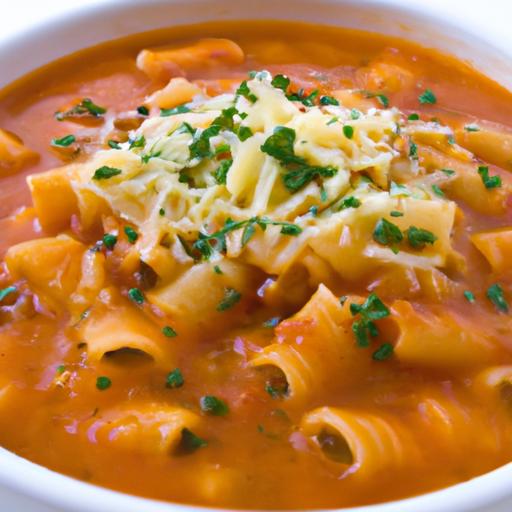

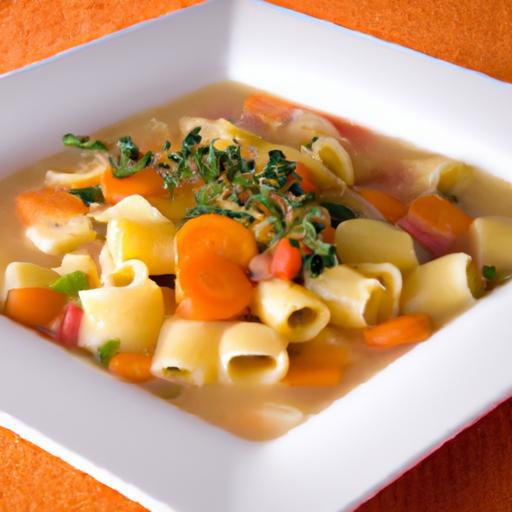
In the vast universe of comfort foods, few humble dishes hold as much nostalgic warmth and nourishing charm as pastina soup. These tiny pasta pearls, seemingly insignificant in size, carry a rich history that transcends cultures and generations. Whether served as a soothing remedy during chilly evenings or a gentle introduction to solid foods for little ones, pastina soup embodies the magic of simplicity. Join us as we explore the delicate art of crafting this beloved dish, uncovering why its petite pasta shapes pack a big punch of comfort and culinary delight.
Tiny Pasta, Big Comfort is a celebration of simplicity and warmth, embodied exquisitely in pastina soup-a delicate Italian tradition cherished for generations. This humble dish, featuring minuscule star-shaped pasta simmered in a fragrant broth, transcends its modest ingredients to deliver profound nourishment and nostalgia. Originating in Southern Italy, pastina soup was a staple comfort food for children and the elderly alike, prized for its soothing texture and gentle flavors that cradle the senses during chilly days or moments of convalescence.
Prep and Cook Time
- Preparation Time: 10 minutes
- Cooking Time: 20 minutes
- Total Time: 30 minutes
Yield
4 generous servings
Difficulty Level
Easy – perfect for cooks of all levels, including beginners
Ingredients
- 1 cup pastina (tiny star-shaped pasta)
- 6 cups homemade chicken broth (preferably low sodium)
- 1 small carrot, finely diced
- 1 celery stalk, finely diced
- 1 shallot, minced
- 2 tablespoons unsalted butter
- 1 garlic clove, minced
- Salt and freshly ground black pepper, to taste
- Freshly grated Parmesan cheese, for garnish
- 2 tablespoons chopped fresh parsley or chives
- Optional: a squeeze of fresh lemon juice for brightness
Instructions
- Prepare the broth base: In a medium pot, melt butter over medium heat. Add the minced shallot, diced carrot, and celery. Sauté until soft and fragrant, about 5 minutes, stirring occasionally to prevent sticking.
- Add garlic: Stir in the minced garlic and cook an additional 30 seconds until aromatic, taking care not to burn it.
- Simmer the broth: Pour in the homemade chicken broth and bring to a gentle boil. Reduce heat and let it simmer to allow the vegetable flavors to infuse the broth, about 10 minutes.
- Cook pastina: Add the pastina to the simmering broth, stirring frequently to prevent clumping. Cook according to package instructions or about 4-5 minutes until tender yet retaining a slight bite-much like al dente pasta.
- Season and finish: Season with salt and freshly ground black pepper. For an added dimension, squeeze in a little fresh lemon juice to awaken the flavors.
- Serve immediately: Ladle the soup into warm bowls. Garnish generously with freshly grated Parmesan and sprinkle with chopped parsley or chives for a pop of color and freshness.
Expert Tips for Cooking pastina to Tender Perfection
Pastina’s charm lies in its delicate texture, so timing is crucial. Avoid overcooking to prevent a mushy consistency; instead, aim for tender but slightly firm pasta that dissolves gently with each spoonful. Stir often as the tiny pasta can settle quickly and stick to the pot’s bottom. If making ahead, cook the pasta separately and combine with warm broth just before serving to maintain texture.
flavorful Additions and Garnishes for a Heartwarming bowl
Elevate your pastina soup by stirring in a poached egg for added richness or sprinkling toasted breadcrumbs for a subtle crunch. For a vegetarian variation, replace chicken broth with rich vegetable stock infused with herbs like thyme and rosemary. Fresh basil leaves or microgreens also awaken the senses, enhancing each comforting bite.
Serving Suggestions
Serve pastina soup piping hot in rustic bowls,paired perfectly with crusty bread or homemade focaccia. A light drizzle of extra virgin olive oil or a pat of melting butter on top adds depth. Complete the experience with a crisp side salad or roasted vegetables to balance the meal’s gentle textures.
| Nutrient | Amount per Serving |
|---|---|
| Calories | 180 kcal |
| Protein | 7 g |
| Carbohydrates | 28 g |
| Fat | 4.5 g |
For more comforting recipes that highlight the magic of *tiny pasta*, explore our comforting noodle soup collection. To understand the traditional benefits of slow-simmered broths, visit ScienceDaily’s article on bone broth nutrients.

Q&A
Q&A: Tiny Pasta, Big Comfort: The Magic of Pastina Soup
Q: What exactly is pastina?
A: Pastina, Italian for “little pasta,” refers to tiny, delicate pasta shapes-frequently enough minute stars, dots, or tiny tubes-that are beloved for their subtle texture and ability to transform humble dishes into soothing comfort food.
Q: Why is pastina soup considered so comforting?
A: Pastina soup wraps you in a warm, gentle hug. Its soft, tender pasta bathes in warm broth, creating a simple yet deeply satisfying harmony of flavors and textures that evoke nostalgia, nourishment, and cozy home kitchens.
Q: Where did pastina soup originate?
A: Pastina has roots in italian culinary tradition, often treasured in family homes as a speedy, soothing meal for children and the sick. Through generations, it has remained a timeless symbol of care and simplicity.
Q: What makes pastina unique compared to other pastas?
A: Unlike larger pastas that stand out as the star of a dish, pastina gently blends into the broth, absorbing flavors while adding a silky texture.Its petite size allows it to cook quickly, marrying ease with elegance.
Q: Can pastina soup be adapted for different diets or flavors?
A: Absolutely! Pastina’s blank-canvas nature welcomes endless creativity-from a basic chicken broth with herbs to creamy vegetable blends or even spiced broths. It can be made vegan, gluten-free (with appropriate pastina), or fortified with protein and veggies for a hearty twist.Q: How do you prepare the perfect bowl of pastina soup?
A: Start with a flavorful broth-homemade or store-bought-then add pastina just before serving to avoid mushiness. Simmer gently until tender, season thoughtfully, and finish with a sprinkle of Parmesan, a drizzle of olive oil, or fresh herbs to elevate the experience.
Q: What emotional or cultural significance does pastina soup hold?
A: Beyond nourishment, pastina soup is steeped in memories of childhood, healing, and family love. It’s a culinary token of comfort that transcends age and background-offering a quiet moment of peace in a busy world.
Q: Why should someone try making pastina soup at home?
A: Because sometimes, the smallest noodles bring the biggest smiles. Making pastina soup invites you to slow down, savor simplicity, and rediscover the magic of food that feeds both body and soul. plus, it’s delightfully easy and quick-perfect for any day that calls for a little comfort.
The Way Forward
As the last spoonful of warm, tender pastina dissolves on your tongue, it’s clear that this tiny pasta holds more than just simple ingredients-it carries stories of home, healing, and heartfelt tradition. Pastina soup may be small in size, but its comforting embrace is mighty, reminding us that sometimes, the greatest joys come in the tiniest packages. Whether simmered gently on a chilly evening or spooned lovingly into a child’s bowl, pastina invites us all to savor the magic of simplicity and the timeless comfort found in a humble bowl of soup.