
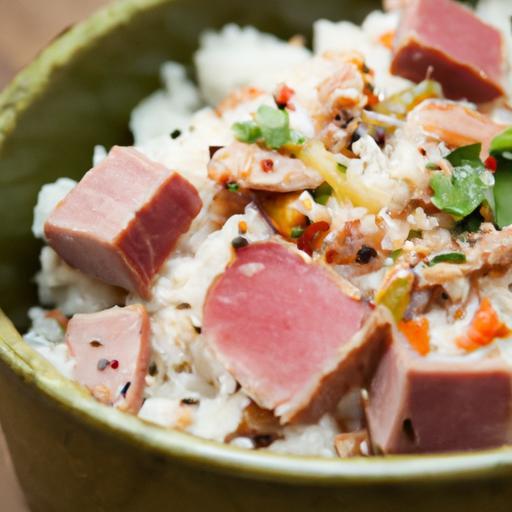
In the vast ocean of culinary delights,few dishes manage to capture both simplicity and flavor as elegantly as the tuna rice bowl. This unassuming yet irresistible meal offers a savory dive into a world where fresh, tender tuna meets the comforting embrace of steamed rice, creating a harmonious blend that delights the palate and satisfies the soul. Whether enjoyed as a speedy weekday lunch or a centerpiece for a casual dinner, tuna rice bowls showcase how minimal ingredients can come together to craft something truly tasty. Join us as we explore the origins, variations, and secrets behind this beloved dish, inviting you to experience the art of simple deliciousness with every bite.
Tuna rice bowls invite you into a world where simplicity meets sophistication in each vibrant,flavorful bite. Rooted in the coastal traditions of Japan, yet wonderfully adaptable to global palates, this dish shines when fresh, quality ingredients come together to create harmony on the plate.Imagine tender cubes of sashimi-grade tuna, nestled atop perfectly seasoned rice, and dressed with bright, umami-rich sauces-each element crafted with care, transforming an everyday meal into an irresistible culinary experience.
Prep and Cook Time
- Preparation: 15 minutes
- Cooking: 20 minutes
- Total Time: 35 minutes
Yield
Serves 2 generous portions
Difficulty Level
Easy to Medium – Perfect for both beginners eager to explore fresh seafood and home cooks refining their technique.
Ingredients
- 1 ½ cups sushi rice, rinsed until water runs clear
- 2 cups water (for cooking rice)
- 12 oz sashimi-grade tuna, cut into ½-inch cubes
- 2 tbsp soy sauce, low sodium preferred
- 1 tbsp toasted sesame oil
- 1 tbsp rice vinegar
- 1 tsp honey or agave syrup
- 1 tsp grated fresh ginger
- 1 small avocado, sliced thinly
- 1 medium cucumber, julienned
- 2 tbsp finely chopped scallions
- 1 tbsp toasted sesame seeds
- Optional: 1 sheet nori, sliced into thin strips
- Pickled ginger, for garnish
- Wasabi or sriracha mayo, to taste
instructions
- cook the sushi rice: Combine rinsed sushi rice and water in a medium saucepan. Bring to a boil over high heat, then reduce to low, cover, and simmer for 18 minutes. Remove from heat and let sit, covered, for 10 minutes.
- Season the rice: In a small bowl, whisk together rice vinegar and honey. Gently fold this mixture into the warm rice to add a subtle tang and sweetness. Set aside to cool slightly.
- Prepare the tuna marinade: In a bowl, whisk soy sauce, toasted sesame oil, and grated ginger. Add the cubed tuna and toss gently to coat. Marinate for 5-10 minutes in the refrigerator, allowing flavors to meld without overpowering the fresh tuna.
- Assemble the bowl: Divide the seasoned rice evenly between two bowls. Arrange marinated tuna cubes on top, followed by sliced avocado and cucumber julienne for crunch and creaminess.
- Garnish and finish: sprinkle chopped scallions and toasted sesame seeds over each bowl. Add a few thin nori strips and a small heap of pickled ginger on the side for bursts of flavor.
- Add heat (optional): if desired, drizzle sriracha mayo (mix sriracha and mayo 1:1) or a small dab of wasabi to enhance complexity and bring a playful kick.
Tips for Success
- Ingredient freshness is key: Use sashimi-grade tuna for safety and taste. If unavailable, quality frozen tuna thawed gently in the fridge works well.
- Rice texture: Rinse the sushi rice thoroughly to remove excess starch, ensuring glossy, distinct grains rather than gummy clumps.
- Marinating time: Keep the tuna marinade brief-too long can “cook” the fish in the soy, altering its texture.
- Make it your own: Swap avocado for ripe mango or add thinly sliced radish for an extra layer of crunch and color contrast.
- Advance prep: Cook and season rice up to 24 hours ahead; store tightly covered at room temperature or chill and bring to room temp before serving.
Serving Suggestions
Serve your tuna rice bowls on bright ceramic dishes to elevate visual contrast between the ruby red tuna, creamy avocado, and pearly rice. Pair with crisp pickled vegetables and a cooling cucumber salad to neutralize richness. Fresh lime wedges offer a pop of acidity that balances the bowl beautifully. For an authentic touch, accompany with a side of miso soup or green tea.
| Nutrient | Per Serving |
|---|---|
| Calories | 480 kcal |
| Protein | 35 g |
| Carbohydrates | 45 g |
| Fat | 12 g |

To explore more seafood recipes that pair exquisitely with tuna rice bowls, visit our Seafood Delights Collection. For deep dives into enduring tuna sourcing, check out Marine Stewardship Council.
Q&A
Q&A: Tuna Rice Bowls – A Savory Dive into Simple Deliciousness
Q1: What exactly is a tuna rice bowl?
A1: At its core, a tuna rice bowl is a hearty yet simple dish featuring tender, flavorful tuna atop a bed of steamed rice. It’s a canvas for creativity, combining fresh ingredients with savory sauces to create a meal that’s as satisfying as it is indeed easy to prepare.
Q2: Why are tuna rice bowls so popular?
A2: Tuna rice bowls strike the perfect balance between comfort and nutrition. They offer a quick, protein-packed meal with layers of texture and flavor-from the softness of the rice to the umami-rich tuna, frequently enough enhanced with tangy or spicy accompaniments.
Q3: Can tuna rice bowls be customized to suit different tastes?
A3: Absolutely! Whether you prefer raw sashimi-style tuna, seared chunks, or canned tuna for convenience, you can tailor your bowl. Add crunchy veggies, creamy avocado, pickled ginger, sesame seeds, or a drizzle of soy sauce or spicy mayo to match your palate.Q4: Is this dish healthy?
A4: Yes! Tuna is packed with omega-3 fatty acids, lean protein, and essential vitamins. Combined with the energy-giving carbohydrates in rice and nutrient-rich toppings like seaweed, cucumber, and scallions, tuna rice bowls offer a balanced, wholesome meal.
Q5: What’s the best way to prepare the tuna for the bowl?
A5: Freshness is key. For sashimi-style bowls, select high-quality sushi-grade tuna and slice it thinly. For seared versions, quickly cook tuna steaks to retain that tender interior. Canned tuna is great for a pantry-pleasant option, seasoned and mixed with your favorite sauces.
Q6: Can tuna rice bowls be made ahead of time?
A6: They’re best enjoyed fresh for optimal texture, especially if using raw tuna. However, you can prep rice and toppings ahead, then assemble just before eating. For meal prep, swap raw tuna with cooked or canned varieties to maintain freshness throughout the week.
Q7: What sauces or dressings complement tuna rice bowls?
A7: Soy sauce, ponzu, wasabi mayo, sesame oil, or spicy sriracha offer fantastic flavor boosts. A touch of citrus like yuzu or lime brightens the dish, while pickled or fermented elements add complexity that’s both refreshing and savory.
Q8: How do tuna rice bowls compare to other popular rice bowls?
A8: Tuna rice bowls stand out with their ocean-fresh flavor and versatility. Unlike heavy meat-based bowls, they feel lighter yet remain filling. they borrow inspiration from Japanese donburi and poke bowls, offering a fusion experience packed with umami and texture.Q9: Any tips for beginners making tuna rice bowls?
A9: Start with simple ingredients-fresh tuna, good-quality rice, and a basic soy-based sauce. Keep your knife sharp for clean tuna slices, and balance your bowl with crisp veggies or mild herbs. Taste as you go to fine-tune your seasoning and sauces.
Q10: Why should tuna rice bowls become a staple in your kitchen?
A10: As they perfectly combine convenience, nutrition, and gourmet flavor without fuss. Tuna rice bowls transform humble ingredients into a vibrant, restaurant-worthy meal that invites you to dive into deliciousness again and again.
To wrap It Up
As we wrap up our savory exploration of tuna rice bowls, it’s clear that this humble dish is much more than a quick meal-it’s a harmonious blend of nutrition, flavor, and simplicity. Whether you’re seeking a weeknight dinner fix or a canvas for culinary creativity, the tuna rice bowl offers endless possibilities that satisfy both palate and convenience. So next time you’re pondering what to whip up, remember: sometimes, the most delicious dives are the simplest ones. Grab your bowl, savor every bite, and let this timeless dish remind you that great taste doesn’t have to be complicated.