
Nestled at the heart of middle Eastern cuisine lies a duo as enduring as the desert sands and as vibrant as the bustling bazaars where they were first savored: hummus and pita.Together, these humble staples have transcended time and borders to become beloved worldwide, offering a perfect harmony of creamy, nutty chickpeas and pillowy, warm flatbread. But beyond their flavorful simplicity lies a rich tapestry of history, culture, and culinary artistry waiting to be uncovered. Join us as we dive into the origins, flavors, and cultural importance of hummus and pita-an ageless partnership that continues to captivate taste buds and connect communities across the globe.
Hummus & Pita represent not just a culinary favorite but a beautiful story woven through centuries of Middle Eastern culture. Originating in the Levant region, this classic pairing has traveled far beyond borders to become a beloved staple worldwide. The creamy, nutty hummus perfectly contrasts with the warm, fluffy pita, creating a harmony of both texture and flavor that invites sharing and party.
Prep and Cook Time
- Preparation: 15 minutes
- Cooking: 10 minutes (plus soaking time if using dried chickpeas)
- Total Time: 25 minutes (or up to 12 hours if soaking chickpeas)
Yield
Serves 4-6 as an appetizer or snack
Difficulty Level
Easy to Medium – perfect for both beginners and seasoned cooks looking to deepen their gratitude for traditional flavors.
Ingredients
- For the Hummus:
- 1 cup dried chickpeas (or 1 can, 15 oz, drained and rinsed)
- 1/4 cup fresh lemon juice (about 1 large lemon)
- 1/4 cup well-stirred tahini
- 1 small garlic clove, minced
- 2 tablespoons extra virgin olive oil, plus more for serving
- 1/2 teaspoon ground cumin
- Salt to taste (start with 1/2 teaspoon)
- 2 to 3 tablespoons cold water (for desired consistency)
- Optional garnish: Paprika, chopped parsley, toasted pine nuts
- For the Pita:
- 2 cups all-purpose flour, sifted
- 1 teaspoon instant yeast
- 1 teaspoon sugar
- 3/4 teaspoon fine salt
- 3/4 cup warm water (about 100°F/38°C)
- 1 tablespoon olive oil
Instructions
- Prepare Chickpeas: if using dried chickpeas, soak them overnight in cold water. Drain,rinse,and cook in boiling water for 1-1.5 hours until tender. For canned chickpeas, simply rinse and drain.
- Make the Hummus Base: in a food processor, combine cooked chickpeas, lemon juice, tahini, minced garlic, cumin, and salt. Blend until smooth.
- Add olive Oil & Water: While blending, slowly pour in olive oil and 2 tablespoons of cold water. Continue to blend, adding more water if necessary, until you reach a creamy, silky texture.
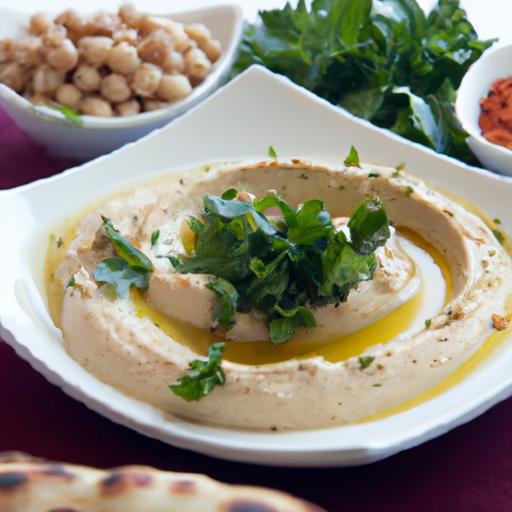
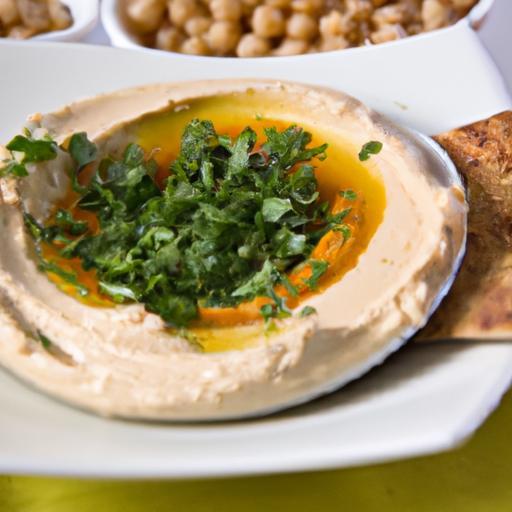
- Taste and Adjust: Adjust salt, lemon juice, or garlic according to your preference. For extra rich flavor,drizzle olive oil over the hummus and sprinkle paprika and parsley.
- Prepare the Pita Dough: In a large bowl, combine flour, yeast, sugar, and salt. Add warm water and olive oil, mixing until a sticky dough forms.
- Knead Dough: Turn the dough onto a floured surface and knead for 8-10 minutes until smooth and elastic. Place in an oiled bowl, cover, and let rise for about 1 to 1.5 hours, or until doubled in size.
- Shape and Rest: Punch down the dough and divide into 6 equal pieces. Roll each into a ball then flatten each to about 1/4 inch thickness. Cover and let rest for 30 minutes.
- Cook pita: Preheat a cast-iron skillet or heavy pan over medium-high heat.Cook each pita for 1-2 minutes on each side until puffed and golden brown spots appear.Keep warm wrapped in a clean towel.
Chef’s Notes
- For Ultra-smooth Hummus: Peel chickpeas by gently rubbing them between your fingers before blending. It’s a little extra work but transforms the texture to luxuriously creamy.
- Substitutions: Swap tahini with sunflower seed butter for a nut-free version.
- Make-Ahead Tip: Prepare hummus up to 3 days in advance and store in an airtight container. Drizzle olive oil on top before refrigerating to preserve moisture.
- Chickpea Soaking Shortcut: Use canned chickpeas but simmer them with baking soda for 10 minutes to soften and mimic the texture of traditional cooked chickpeas.
- Extra Pita Flavor: Add za’atar or smoked paprika to the dough for a savory twist.
Serving Suggestions
Serve your hummus drizzled with vibrant olive oil and a dusting of smoked paprika or sumac. Place in a shallow bowl alongside warm pita wedges for an inviting presentation. Add crunchy vegetables such as cucumber sticks,cherry tomatoes,or pickled turnips for colorful contrast and texture. A sprinkle of fresh parsley or a few toasted pine nuts on top completes the visual and flavor appeal.

nutritional Details Per Serving
| Calories | Protein | carbs | Fat |
|---|---|---|---|
| 220 kcal | 6 g | 28 g | 8 g |
Explore more delicious Middle Eastern dishes that complement this timeless duo right hear. For additional historical insights into hummus, check out Britannica’s detailed article.
Q&A
Q&A: Hummus & Pita – A Timeless Middle eastern Flavor Duo Explained
Q1: What makes hummus and pita such an iconic pair in Middle Eastern cuisine?
A1: Hummus and pita are culinary soulmates-one smooth and creamy,the other soft and pillowy. Together, they create a textural harmony that balances richness with a gentle chewiness. This pairing isn’t just about flavor; it’s about how the pita acts as the perfect edible scoop, inviting you to savor each silky bite of chickpea goodness. It’s a duo that has nourished hearts and homes for centuries.
Q2: Where did hummus and pita originate, and how did they become so popular worldwide?
A2: Both hummus and pita have roots deeply embedded in the Levant region, encompassing countries like Lebanon, Syria, Palestine, and Israel. Historically, pita’s simple flatbread form was perfect for scooping dips like spiced chickpea hummus, making the combination a natural staple. Over the past few decades, their wholesome flavors and nutritional benefits captured global appetites, turning street food favorite into a beloved international snack.
Q3: What are the essential ingredients of authentic hummus?
A3: Authentic hummus is a minimalist masterpiece: creamy cooked chickpeas, tahini (sesame seed paste), fresh lemon juice, garlic, olive oil, and a pinch of salt. Some makers add a hint of cumin for warmth, but the magic lies in the balance-smoothness from tahini, tang from lemon, and the subtle earthiness of garlic, all whipped into a luscious dip.
Q4: How does pita bread complement hummus beyond just being a utensil?
A4: Pita isn’t merely a vessel; it’s a vital flavor partner. Slightly charred from the oven or grill, pita develops a smoky undertone and a soft pocket that can cradle hummus generously. This contrast elevates the creaminess; the warm, tender bread and cool, savory dip dance on the palate, each bite layered with tradition and comfort.
Q5: are there regional variations of hummus and pita that add unique twists?
A5: Absolutely! While the basics remain, regional spins abound. In some areas, hummus is topped with spiced ground meat, pine nuts, or caramelized onions. Pita itself varies-from thicker, fluffier loaves to thin, crispier versions-each adapting to local tastes and customs. These variations celebrate diversity while honoring the core essence of the duo.
Q6: How has hummus and pita adapted to modern dietary trends?
A6: Hummus and pita naturally align with many contemporary diets: vegan, gluten-free (with option pitas), and protein-rich. Creative chefs innovate with flavored hummus-think roasted beets, spicy harissa, or avocado blends-while artisanal pitas may incorporate whole grains or superfoods. This timeless duo continues to evolve, proving its versatility and appeal across lifestyles.
Q7: What’s the best way to enjoy hummus and pita for a true Middle Eastern experience at home?
A7: Start with fresh, warm pita-either store-bought and lightly toasted or homemade. Scoop up a generous dollop of creamy hummus sprinkled with a drizzle of olive oil and a dusting of paprika or sumac. Pair with fresh veggies, olives, or pickles to create a vibrant mezze platter. Share it family-style, and you’re tapping into a rich tradition of communal eating and cultural connection.
Q8: Why do hummus and pita continue to resonate with people across the globe?
A8: Their appeal lies in simplicity and soulfulness. Hummus and pita nourish more than just the body-they feed community, history, and shared experience. In a world craving authentic connections and comfort, this humble duo offers a delicious reminder that great food transcends borders and time.
To Wrap It Up
From ancient hearths to modern tables, hummus and pita have traveled through time as more than just food-they are edible threads weaving together culture, history, and community. This dynamic duo invites us not only to savor their harmonious flavors but to appreciate the stories and traditions they carry. So next time you dip pita into a creamy scoop of hummus, remember-you’re partaking in a timeless Middle Eastern ritual that continues to unite palates and hearts around the world.