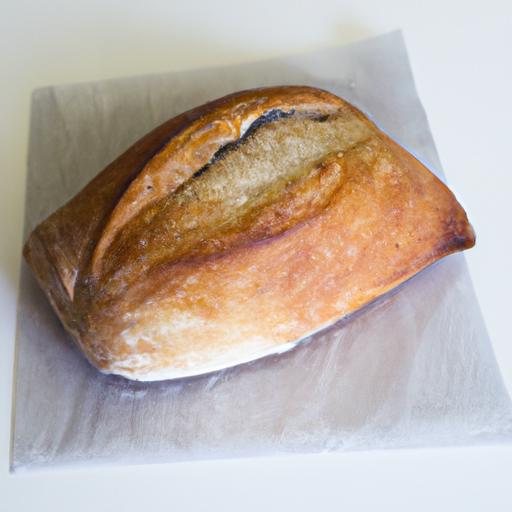

There’s a certain magic in the crackling crust adn tangy aroma of a perfectly baked sourdough loaf-a timeless creation that marries artistry with chemistry. Behind every golden slice lies a delicate dance of wild yeasts and lactic acid bacteria, patiently cultivated to transform humble flour and water into a living, breathing masterpiece. In this exploration of the art and science behind perfect sourdough bread, we’ll delve into the centuries-old traditions and the modern techniques that elevate baking from a mere craft to an intricate science.Whether you’re a seasoned baker or a curious beginner, uncovering the secrets of sourdough reveals not just a recipe, but a story of nature, patience, and precision.
The Art and Science Behind Perfect Sourdough Bread lies in understanding how each element-from fermentation to flour choice-shapes the final loaf’s character. This timeless process transforms humble ingredients into an aromatic, tangy marvel with a crust that crackles beneath your fingers and a tender, open crumb that melts in your mouth. Whether you’re crafting your first loaf or refining your technique, mastering these foundational components will elevate your baking to a new realm.
Prep and Cook time
- Preparation: 20 minutes (active)
- Bulk Fermentation: 4-6 hours (depending on room temperature)
- Proofing: 2-4 hours or overnight (refrigerated)
- baking: 40 minutes
Yield
One 900g (2-pound) loaf, perfect for serving 6-8 slices.
Difficulty Level
Medium – Ideal for bakers with basic experience ready to deepen their craft.
Ingredients
- 500g bread flour (preferably unbleached, high-protein)
- 350g water (70% hydration, room temperature)
- 100g active sourdough starter (fed and bubbly)
- 10g fine sea salt
- Extra flour for dusting and shaping
Instructions
- Mix the Dough: In a large bowl, combine 500g bread flour and 350g water. Stir until just combined into a shaggy dough. Cover and let rest (autolyse) for 1 hour to hydrate and begin gluten formation.
- Add Starter and Salt: Add 100g active sourdough starter and 10g salt. Mix thoroughly by folding and pinching the dough until fully incorporated.
- Bulk Fermentation with Stretch & Folds: Cover bowl and ferment at room temperature for 4-6 hours. Every 30 minutes for the first 2 hours, perform gentle stretch and folds by pulling the dough from the edges to the center-this strengthens gluten for a lofty crumb.
- Divide and Pre-Shape: Turn dough onto a lightly floured surface. Divide if needed and shape into loose rounds. Let rest uncovered for 20 minutes to relax.
- Final Shaping: Shape the dough into a tight boule or batard by folding edges towards the center and creating surface tension.
- Proofing: Place dough seam-side up in a well-floured banneton basket. Cover and refrigerate overnight (8-12 hours) or proof at room temperature 2-4 hours until dough slightly springs back when pressed.
- Preheat the Oven: Place a Dutch oven with lid inside and preheat to 475°F (245°C) at least 45 minutes before baking.
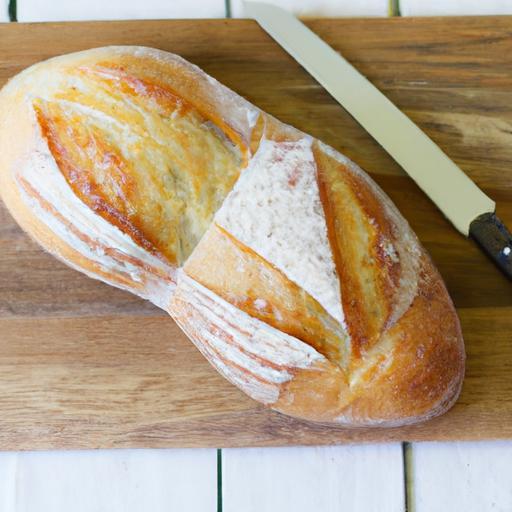
- Score the Dough: Carefully invert dough onto parchment paper. Using a sharp lame or razor blade,make swift,confident slashes (about ¼ inch deep) to allow controlled expansion and to create signature ear patterns.
- Bake: Transfer dough with parchment into Dutch oven, cover, and bake for 20 minutes. Remove the lid and bake an additional 20 minutes until deeply golden and crusty.
- Cool: Transfer loaf to a wire rack and allow to cool completely (at least 1 hour) for best crumb growth.
Chef’s Notes & Tips for Success
- Understanding Fermentation: Temperature governs how fast your dough ferments. Cooler temps slow fermentation, allowing complex acids and flavor to develop. Adjust bulk fermentation time accordingly to avoid overproofing.
- Master Dough Hydration: A 70% hydration balances ease of handling and an open crumb. Experiment by increasing hydration slowly for lighter bread but expect stickier dough requiring gentle technique and good gluten development.
- Choosing Flour: High-protein bread flour supports gluten strength to hold gas bubbles. Mixing a portion of whole wheat or rye flour adds flavor complexity but decreases dough extensibility-try a 10-15% substitution initially.
- Scoring Techniques: Sharp blades and confident cuts create a lovely crumb ear and help vent steam. Practise quick slicing motions; a jagged score frequently enough leads to uneven oven spring.
- Make-Ahead: Cold proofing overnight enhances flavor and improves handling schedule versatility.Bring dough to room temp before baking for a better oven spring.
Serving Suggestions
Slice your warm sourdough bread thickly to showcase the airy crumb and serve with high-quality butter or extra-virgin olive oil. A sprinkle of flaky sea salt or a smear of creamy cheese enhances the bread’s natural tang.For visual appeal, garnish the platter with fresh herbs like rosemary or thyme. Pair with roasting vegetables or slow-simmered stews to truly honour the rustic soul of this bread.

| Nutrient | Per Serving (1 slice) |
|---|---|
| Calories | 120 |
| Protein | 4g |
| carbohydrates | 24g |
| Fat | 1g |
For deeper understanding and variations to enhance your sourdough journey, explore our Sourdough Starter Maintenance Guide and check out the science behind fermentation on ScienceDaily.
Q&A
Q&A: The Art and Science Behind Perfect Sourdough Bread
Q: What makes sourdough bread different from other breads?
A: At its heart, sourdough is a living symphony of wild yeast and lactic acid bacteria working in harmony. Unlike commercial yeast breads that rely on a single strain of baker’s yeast, sourdough captures wild yeast from the environment, creating complex flavors and a naturally tangy tang that tells a story of time, place, and tradition.
Q: How does the sourdough starter actually work?
A: Think of the starter as a bubbling, breathing culture-part art, part science.It’s a mixture of flour and water that cultivates wild yeast and beneficial bacteria. These microbes feast on the flour’s carbohydrates, producing carbon dioxide that makes your dough rise, as well as organic acids that give sourdough its signature sourness and depth of flavor.
Q: Why is fermentation so important in sourdough baking?
A: Fermentation is where the magic happens. It’s a delicate dance of time and temperature, where enzymes break down starches into sugars, feeding the microbes. This process develops flavor complexity, improves digestibility, and creates those prized open crumb structures-airy holes that feel like little edible clouds.
Q: How do hydration levels affect the bread?
A: Hydration-the ratio of water to flour-is the secret ingredient that shapes texture. Higher hydration doughs can feel sticky and challenging, but they yield breads with a moist crumb and lightness. Lower hydration produces denser, chewier loaves. Master bakers adjust hydration depending on flour type, ambient humidity, and desired loaf style.
Q: What role does temperature play during fermentation?
A: Temperature is the conductor of the microbial orchestra. Warmer environments speed up fermentation, making the dough rise faster but sometimes sacrificing flavor depth. Cooler temperatures slow fermentation, allowing a more nuanced, tangy profile to develop. Many artisans refrigerate dough overnight to enhance flavor and make the timing work with their schedules.
Q: Can sourdough baking be consistently replicated?
A: This is where art meets science in a delicate balance. While you can control variables like flour type, temperature, and hydration, wild yeast cultures and environmental conditions add an element of unpredictability. Each loaf is a unique fingerprint-no two are exactly alike, which is part of sourdough’s enduring charm.
Q: What tools help achieve perfect sourdough bread?
A: Essential tools include a Dutch oven or baking stone for even heat, a bench scraper to handle sticky dough, and a lame (a sharp blade) to score the dough, enabling beautiful expansion. Digital scales and thermometers bring precision, bridging the gap between intuition and reproducibility.
Q: How does sourdough benefit health compared to other breads?
A: The slow fermentation process breaks down gluten and phytic acid, making nutrients more bioavailable and bread easier to digest for many people. Additionally, the presence of beneficial bacteria may support gut health. Sourdough isn’t a cure-all, but it’s a delicious step toward mindful eating.
Q: What’s the best advice for someone starting their sourdough journey?
A: Patience and curiosity are your best ingredients. Cultivate your starter regularly, embrace the quirks of your environment, and don’t fear “imperfect” loaves. Each bake is a lesson steeped in tradition and science, bringing you closer to that perfect crust and soulful crumb.
Through the interplay of biology and craft, sourdough is much more than bread-it’s an edible masterpiece that connects us to the ancient rhythms of fermentation, flavor, and life itself.
Final Thoughts
Ultimately, the journey to perfect sourdough is a beautiful blend of art and science-where intuition meets fermentation, and patience transforms simple ingredients into extraordinary flavor and texture. Whether you’re nurturing your starter or mastering that elusive crust, each loaf tells a story of chemistry and creativity intertwined. So next time you slice into a warm, tangy sourdough, remember you’re savoring far more than bread-you’re tasting a centuries-old craft brought to life by both passion and precision.