
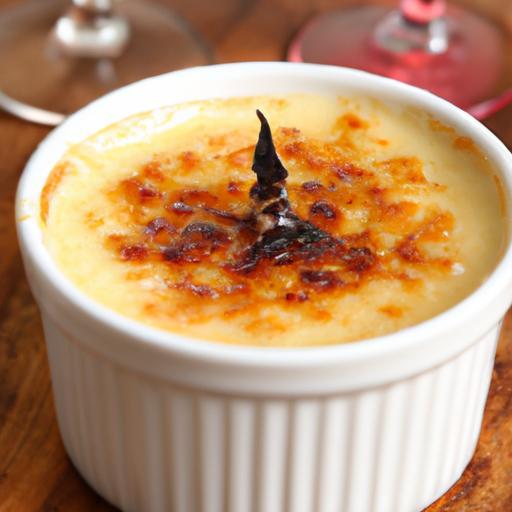
There’s a special kind of magic in the crack of a caramelized sugar crust, revealing beneath it a luxuriously smooth custard that melts on your tongue-this is the timeless delight of crème brûlée.Originating from the grand kitchens of Europe and cherished by dessert lovers worldwide, this classic French dessert is as much an art as it is a treat.Mastering the classic crème brûlée recipe not only allows you to recreate a culinary icon but also invites you into a tradition of elegance, patience, and precision. In this article,we’ll unravel the secrets behind its perfect texture,golden brûlée,and subtle vanilla-infused custard,guiding you step-by-step to bring this elegant indulgence from the pages of French patisserie to your own table.
Timeless Delight: Mastering the Classic Crème Brûlée Recipe invites you into the magical world of custard art – where silky smooth textures meet the irresistible crack of caramelized sugar. This beloved French dessert hinges on the delicate balance of ingredients and technique, weaving together rich flavors and a visually stunning finish. Embarking on this culinary journey allows you to appreciate the nuances behind each luscious spoonful and understand what sets an exceptional crème brûlée apart from the ordinary.
Prep and Cook Time
- Preparation Time: 15 minutes
- Cooking Time: 45 minutes
- Cooling and Chilling: 4 hours (minimum)
Yield
Serves 6 elegantly sized portions
Difficulty Level
Medium - perfect for adventurous home cooks ready to refine thier dessert repertoire
Ingredients
- 2 ½ cups heavy cream
- 1 vanilla bean, split and scraped (or 2 tsp high-quality vanilla extract)
- 5 large egg yolks
- ½ cup granulated sugar, plus extra for caramelizing
- Pinch of fine sea salt
Instructions
- Preheat your oven to 325°F (160°C). Position a rack in the middle.
- In a medium saucepan, combine heavy cream with the split vanilla bean and its seeds. warm over medium heat untill it just begins to simmer. Remove from heat and let it steep for 15 minutes to infuse the rich vanilla flavor.
- Simultaneously occurring, whisk together egg yolks, ½ cup granulated sugar, and a pinch of sea salt in a clean bowl until the mixture is pale and slightly thickened.
- Slowly pour the warm cream into the yolk mixture in a steady stream, whisking continuously to temper the eggs without scrambling them.
- Strain the custard through a fine-mesh sieve into a large measuring jug to ensure perfect smoothness, discarding the vanilla bean pod.
- Divide the custard evenly among six ramekins, placing them in a deep baking dish.
- Pour hot water around the ramekins until it reaches halfway up their sides, creating a bain-marie for gentle, even cooking.
- Bake for approximately 40-45 minutes, or until the custards are just set with a slight jiggle in the center.
- Remove ramekins from the water bath and let cool to room temperature.Refrigerate for at least 4 hours, preferably overnight, to develop a luscious texture.
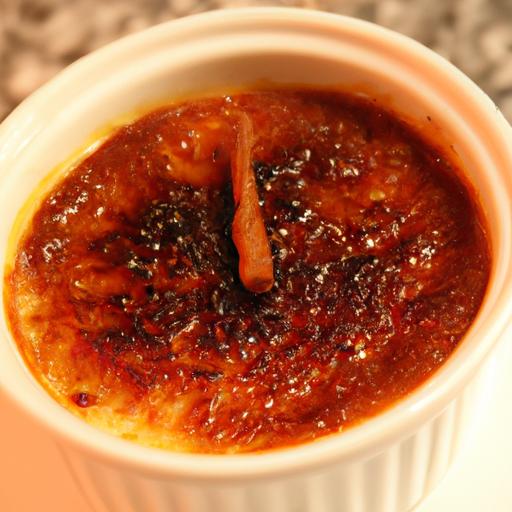
- Before serving, evenly sprinkle about 1-2 teaspoons of granulated sugar over each custard. Using a kitchen torch, caramelize the sugar by moving the flame in circular motions until it melts and forms a crisp, golden-brown crust. Allow to rest for a minute before serving so the sugar hardens perfectly.
Mastering the Signature Caramelized Sugar Crust
Achieving that iconic crackling topping requires not just sugar, but technique. Use fine granulated sugar rather than coarse as it melts evenly.Maintain a steady flame from your torch about 2 inches away and sweep continuously to avoid burning. If you don’t have a torch, briefly broil under high heat watching carefully to prevent charring.
Tips for Success
- Ingredient Quality: Choose fresh eggs and the best heavy cream you can find – they are the foundation of rich, creamy custard.
- Vanilla Options: While a vanilla bean delivers unparalleled depth, pure vanilla extract is an excellent substitute that still imparts lovely aroma and flavor.
- Custard Texture: Straining the mixture eliminates any potential lumps or cooked egg fragments, ensuring a silky finish.
- Baking Tip: The water bath is essential for gentle heat distribution, preventing curdling and discouraging cracks.
- Make-Ahead Advice: Custards can be prepared up to two days in advance and refrigerated. Caramelize right before serving to keep the crunch intact.
- troubleshooting: If the custard is too watery, slightly extend baking time; if overcooked, the texture becomes grainy.Adjust water bath level to avoid direct water contact with custard cups.
Serving Suggestions
For an elegant presentation, serve each ramekin on a small plate topped with a sprig of fresh mint or edible flowers. Fresh berries such as raspberries or blackberries add a vibrant color contrast and delightful tartness. A dusting of powdered sugar or a thin lemon twist can elevate the visual appeal and complement the richness. Pair your crème brûlée with a glass of Sauternes or sparkling wine for a classic French experience.

| Nutrient | per serving |
|---|---|
| Calories | 350 kcal |
| Protein | 6 g |
| Carbohydrates | 28 g |
| Fat | 23 g |
Explore more dessert inspirations with our Classic French Desserts collection and deepen your understanding of culinary science at Serious Eats, an authoritative resource on perfecting texture and technique.
Q&A
Q&A: Timeless Delight - Mastering the Classic Crème Brûlée Recipe
Q1: What makes crème brûlée a timeless dessert?
A1: Crème brûlée’s timeless appeal lies in its perfect marriage of textures-a silky, smooth custard base contrasted with a crisp, caramelized sugar crust.This delicate balance,combined with its rich yet subtle vanilla flavor,has enchanted dessert lovers for centuries,making it a classic that withstands the test of culinary trends.
Q2: What are the key ingredients for an authentic crème brûlée?
A2: The essence of an authentic crème brûlée is simple but precise: rich heavy cream, fresh egg yolks, pure vanilla (usually in the form of a vanilla bean or high-quality extract), granulated sugar, and a pinch of salt. Thes humble ingredients come together to create a luxurious custard that’s both creamy and comforting.
Q3: How significant is the vanilla in this recipe?
A3: Vanilla is the soul of crème brûlée. Using a real vanilla bean elevates the custard with deep,fragrant notes and tiny flecks of vanilla that promise indulgence in every bite. While extracts can be a convenient substitute, they ofen lack the nuanced aroma that real vanilla pods impart.
Q4: What’s the secret to achieving the perfect custard texture?
A4: Patience and precision are key. The custard must be baked gently in a water bath (bain-marie) at a low temperature to ensure it sets slowly and evenly without curdling.The end result should be silky-smooth and just firm enough to hold its shape, with no cracks or bubbles.
Q5: How do you create the signature caramelized crust?
A5: After the custard is fully chilled, sprinkling a thin, even layer of granulated sugar on top and caramelizing it with a kitchen torch forms the iconic crackling crust. Alternatively, broiling briefly in a preheated oven can work, but it’s harder to control and risks melting the custard beneath.
Q6: Can crème brûlée be made ahead of time?
A6: Absolutely! In fact, crème brûlée shines as a make-ahead dessert. The custards can be prepared and refrigerated for up to two days. The sugar crust should be caramelized just before serving to maintain its delightful crunch.
Q7: Are there any creative twists that stay true to the classic essence?
A7: Yes! While purists champion the customary vanilla, subtle infusions like lavender, citrus zest, or a dash of coffee can add a fresh dimension without overpowering the delicate custard. The key is to enhance rather than mask the fundamental flavors.
Q8: What common mistakes should be avoided when making crème brûlée?
A8: Overheating the custard during baking or whisking too vigorously can cause curdling or bubbles. Uneven sugar layering or torching too close may burn the crust or melt the custard below. Lastly, not chilling the custard long enough will ruin the textural contrast that defines crème brûlée’s allure.
Q9: Why does the recipe call for a water bath?
A9: The water bath acts as a gentle, even heat source that prevents the eggs from scrambling. It ensures the custard cooks slowly and uniformly, resulting in that characteristic creamy texture rather than a grainy or rubbery one.
Q10: What’s the best way to serve and enjoy crème brûlée?
A10: Serve it chilled,right after torching the sugar crust so each spoonful offers that satisfying crack before yielding to the luscious custard beneath. Pairing it with fresh berries, a sprig of mint, or a fragrant cup of espresso transforms this timeless delight into a truly memorable experience.
Key Takeaways
As the caramelized sugar cracks beneath your spoon and the velvety custard melts effortlessly on your tongue, you’ll understand why crème brûlée has secured its place as a timeless delight. Mastering this classic recipe is not just about technique-it’s an invitation to savor tradition, patience, and the simple pleasures of dessert done right. Whether you’re crafting it for a special occasion or a quiet evening at home, this elegant custard promises to elevate any moment into something truly memorable. So go ahead, ignite your culinary passion, and let the dance of cream, sugar, and flame become your signature indulgence.