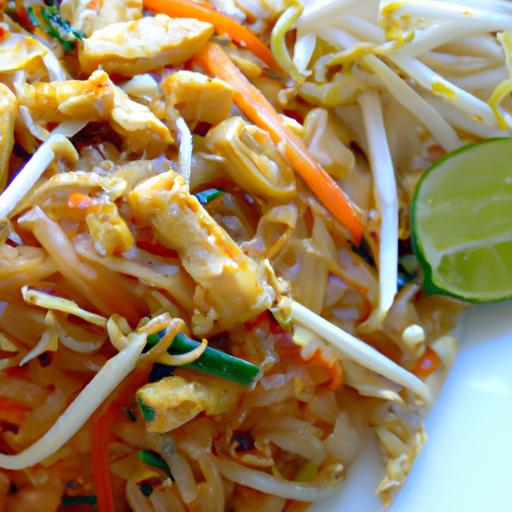

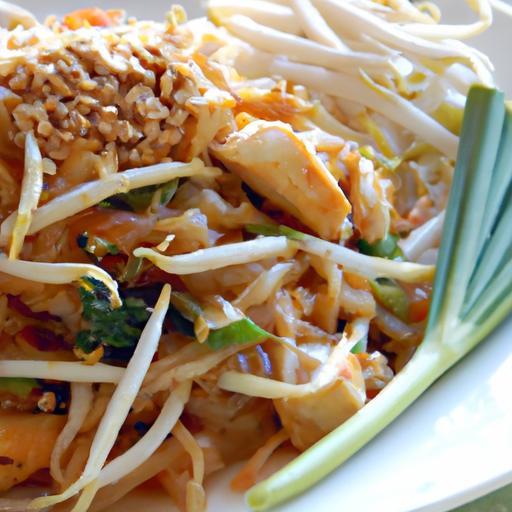
Pad Thai, with its vibrant colors and harmonious blend of sweet, tangy, and savory flavors, has long been a beloved staple of Thai cuisine. Traditionally featuring shrimp or chicken, this iconic dish offers a symphony of textures-from chewy rice noodles to crunchy peanuts-that dance on the palate. But what if you could experience all that flavorful complexity without meat? Enter the flavorful vegetarian Pad Thai: a tasty twist on tradition that celebrates the essence of this classic dish while embracing plant-based ingredients.In this article,we’ll explore how to recreate Pad thai’s signature taste using fresh vegetables,tofu,and bold seasonings,proving that vegetarian cooking can be every bit as satisfying and memorable. Whether you’re a seasoned vegan, a curious foodie, or simply seeking a wholesome meal, this vibrant recipe invites you to savor a reinvented favorite that honors the past while embracing a flavorful future.
Flavorful Vegetarian Pad Thai enchants with its vivid harmony of sweet, tangy, and spicy notes, elevating a classic Thai street food into a vibrant plant-based feast. Rooted in tradition yet embracing creativity, this recipe invites you to explore authentic ingredients paired with clever vegetable and protein swaps that bring heartiness and depth to every bite.
Prep and Cook Time
- Prep Time: 20 minutes
- Cook Time: 15 minutes
- total Time: 35 minutes
Yield
Serves 4 generous portions
Difficulty level
Medium – approachable for cooks comfortable with balancing bold flavors and speedy stir-fry timing
Ingredients
- 8 oz Thai rice noodles (soaked in warm water until pliable)
- 3 tbsp tamarind paste (for that signature tang)
- 2 tbsp coconut sugar or light brown sugar (to add subtle sweetness)
- 3 tbsp soy sauce or tamari (for depth and umami)
- 1 tbsp lime juice (freshly squeezed)
- 2 tbsp neutral cooking oil (such as grapeseed or avocado oil)
- 4 cloves garlic, minced
- 1-2 Thai red chilies, finely sliced (adjust to taste for spice)
- 1 cup firm tofu, pressed and cubed
- 1 cup shredded carrots
- 1 cup bean sprouts, rinsed
- 3 green onions, sliced thinly
- ¼ cup crushed roasted peanuts
- 2 large eggs (optional, omit for vegan)
- 1 tbsp fresh cilantro, roughly chopped (for garnish)
- 1 lime, cut into wedges (to serve)
- Salt to taste
Instructions
- Prepare the noodles: Drain soaked rice noodles and set aside. Ensure they are flexible but not mushy to prevent breaking during stir-fry.
- Make the sauce: In a small bowl, whisk together tamarind paste, coconut sugar, soy sauce, and lime juice. Adjust the balance with extra sugar or lime juice to hit the sweet and tangy notes perfectly.
- Cook tofu: Heat 1 tbsp oil in a large skillet or wok over medium-high heat. Add tofu cubes and sauté until golden and crisp on all sides, about 5 minutes. Remove tofu and set aside.
- Sauté aromatics: Add remaining oil, then garlic and chilies. Stir-fry briefly until fragrant,about 30 seconds.
- Scramble eggs (if using): Push aromatics to the side; crack eggs into the pan and scramble gently until just cooked through. Combine with aromatics.
- Combine ingredients: Add noodles, carrots, and the sauce mixture to the pan. Toss gently but thoroughly, coating noodles in sauce evenly. Cook for 3-4 minutes, letting noodles absorb flavors.
- Add tofu and sprouts: fold in tofu and bean sprouts, cooking for an additional 2 minutes so the sprouts retain some crunch.
- final touches: Stir in green onions and season with salt to taste. Remove from heat.
- Plate and garnish: Serve hot, sprinkled with crushed peanuts, fresh cilantro, and lime wedges on the side for a shining, fresh finish.
Tips for Success
- Tamarind paste is the heart of authentic flavor; use a good-quality product or soak tamarind block in warm water to extract fresh pulp.
- Controlling texture matters: avoid over-soaking noodles, which can make them gummy. Instead, soak until pliant and cook swiftly.
- Protein swaps: Beyond tofu, try tempeh cubes marinated in soy sauce or lightly fried king oyster mushrooms for a meaty bite.
- Vegetable creativity: Bell peppers, snap peas, or thinly sliced purple cabbage add vivid color and crunchy dimension.
- Vegan adaptation: Substitute scrambled eggs for silken tofu crumbles or omit entirely; add a splash of additional soy sauce for savory depth.
- Make ahead: Prepare sauce and chop vegetables in advance; toss everything at the last moment for freshness.
Serving Suggestions
Present the noodles on a large platter to showcase vibrant colors and textures. Pair with a crisp cucumber salad or a simple miso soup for contrast. Garnishing with brightly chopped cilantro and a sprinkling of roasted peanuts delivers crunchy, herbaceous layers. Encourage diners to squeeze lime wedges for an invigorating citrus burst enhancing the balance of flavors.

| nutrient | Per Serving |
|---|---|
| Calories | 380 kcal |
| Protein | 15 g |
| Carbohydrates | 50 g |
| Fat | 12 g |
For a detailed guide on perfect tofu planning, see How to Cook Tofu Perfectly Every Time. To deepen your understanding of tamarind’s unique flavor profile, visit Encyclopedia Britannica’s Tamarind entry.
Q&A
Q&A: Flavorful Vegetarian Pad Thai – A Tasty Twist on tradition
Q1: What makes vegetarian Pad Thai diffrent from traditional Pad Thai?
A1: Traditional Pad Thai often features shrimp,chicken,or eggs,but vegetarian Pad Thai swaps these out for a colorful array of plant-based ingredients. Think tofu cubes, crunchy peanuts, fresh bean sprouts, and vibrant veggies like bell peppers and carrots. The essence of the dish remains – tangy tamarind sauce, savory soy, and the perfect balance of sweet and sour – but without any animal products, making it lighter yet just as satisfying.
Q2: How can I ensure my vegetarian Pad Thai is packed with flavor?
A2: The secret lies in layering your flavors! Start with a robust tamarind paste base, add a dash of soy sauce or tamari, and sprinkle in some palm sugar or brown sugar for a subtle sweetness. Don’t forget the garlic and chili flakes for that signature kick.Toasted peanuts and fresh lime juice at the end elevate the dish, while fresh herbs like cilantro or Thai basil add brightness. Each component plays a critical role, creating a symphony of tastes on your plate.Q3: What protein alternatives work best in vegetarian Pad Thai?
A3: Tofu steals the show as the most popular protein choice – firm or extra firm tofu cubes give a chewy texture that soaks up the sauce beautifully. Tempeh is a fantastic option too, adding a nutty flavor and density to the dish. For crunch and extra nutrition, some cooks toss in roasted edamame or chickpeas. Feel free to experiment-each protein substitute brings its own charm!
Q4: Is vegetarian Pad Thai suitable for those new to Thai cuisine?
A4: Absolutely! Vegetarian Pad Thai offers a gentle introduction to the complex flavors of Thai cooking. Without the seafood or meat elements, it’s approachable and customizable, allowing newcomers to savor the balance of sweet, sour, salty, and spicy without overwhelming unfamiliar tastes.Plus, the familiar noodles and hearty tofu make it accessible for all palates.
Q5: can I make this dish gluten-free?
A5: Yes! Simply swap out regular soy sauce for gluten-free tamari or coconut aminos. Also, double-check your rice noodles, as some brands may contain additives-most traditional rice noodles are naturally gluten-free. By making these simple switches, your vegetarian Pad Thai can be both delicious and friendly for gluten-sensitive diners.
Q6: What makes this vegetarian Pad Thai a “tasty twist on tradition”?
A6: While honoring the classic flavors and essential ingredients of traditional Pad Thai, this version celebrates creativity and inclusivity by embracing veggies and plant proteins. It’s a spin that respects heritage but speaks to modern tastes and dietary choices, proving that tradition can evolve beautifully without losing its soul.
Q7: Any tips for perfecting the texture of vegetarian Pad Thai?
A7: Texture is key! Use rice noodles with the right bite-cooked just until tender but not mushy.For contrast, toss in fresh bean sprouts and chopped peanuts for crunch. Sauté tofu until golden and slightly crispy on the edges. These subtle contrasts create that addictively satisfying mouthfeel we crave from great Pad Thai.
With these insights in hand, your flavorful vegetarian Pad Thai will not only delight your taste buds but also reinvent a beloved classic with a fresh, wholesome flair!
Concluding Remarks
Whether you’re a devoted vegetarian or simply curious about exploring plant-based twists on classic dishes, this flavorful vegetarian Pad Thai offers a vibrant, satisfying experience that honors tradition while celebrating innovation. Packed with fresh ingredients and bold flavors, it’s a testament to how beloved recipes can evolve without losing their soul. So next time you crave the tangy, savory notes of Pad Thai, why not give this colorful, wholesome version a try? your taste buds-and the planet-will thank you.