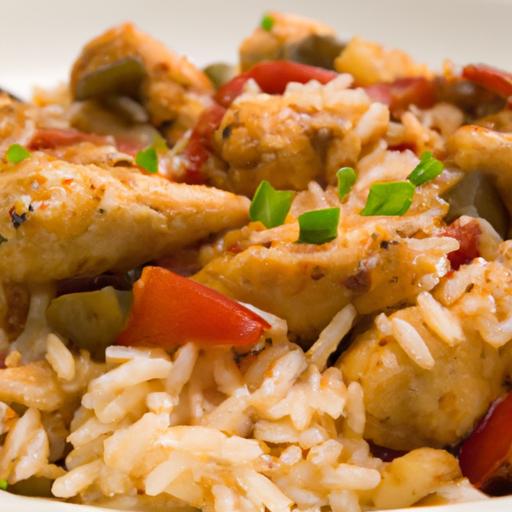

Amid teh lively hum of cajun kitchens, where spices dance and traditions simmer, Chicken Jambalaya emerges as more than just a dish-it is a vibrant tapestry of history, culture, and bold flavors. This beloved Louisiana classic invites food enthusiasts on a flavorful journey,blending tender chicken,smoky sausage,and aromatic vegetables with the soulful heartbeat of Cajun cuisine. In this article,we’ll explore the origins,ingredients,and secrets behind Chicken Jambalaya,uncovering why this hearty,comforting meal continues to captivate palates far beyond the bayous. Whether you’re a seasoned foodie or a curious cook,prepare to dive spoon-first into a world where every bite tells a story.
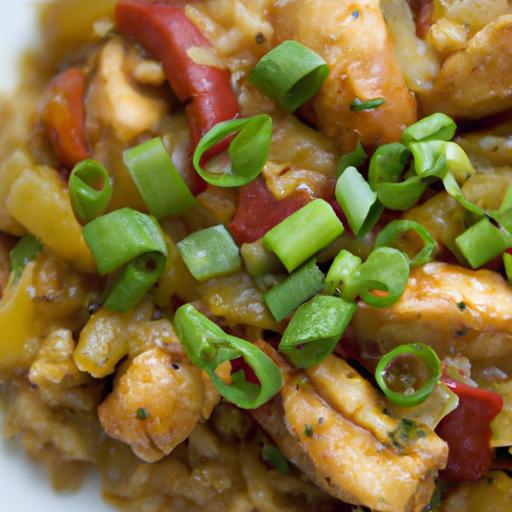
Chicken Jambalaya invites you on a rich, sensory journey into the heart of Cajun culture, blending bold spices, smoky aromas, and vibrant textures in one unforgettable dish. This cherished recipe-rooted deeply in the traditions of Louisiana-celebrates the art of comfort food with layers of sautéed chicken, fragrant rice, and a medley of fresh vegetables harmonized by the quintessential Cajun seasoning.
Prep and Cook Time
- Preparation: 20 minutes
- Cooking: 45 minutes
- Total Time: 1 hour 5 minutes
Yield
- Serves 6 generous portions
Difficulty Level
- Medium – Perfect for home cooks ready to explore authentic Cajun flavors
Key Ingredients That Bring Authentic Cajun Flavors to Life
- 2 lbs boneless, skinless chicken thighs, cut into bite-sized pieces
- 1 ½ cups long-grain white rice, rinsed until water runs clear
- 1 large yellow onion, finely diced
- 1 green bell pepper, diced
- 2 celery stalks, diced
- 4 cloves garlic, minced
- 1 cup diced tomatoes (canned fire-roasted preferred)
- 4 cups chicken broth (low sodium for balanced flavor)
- 3 tbsp Cajun seasoning (store-bought or homemade blend)
- 2 tsp smoked paprika
- 1 bay leaf
- 2 tbsp vegetable oil or rendered bacon fat for depth
- Salt & black pepper to taste
- Optional: 1 cup sliced andouille sausage, for an added smoky punch
Step by Step Guide to Perfecting Your Homemade Chicken Jambalaya
- Heat the oil in a large heavy-bottomed pot or Dutch oven over medium-high heat. Add the chicken pieces in a single layer and sauté until golden brown, about 6-8 minutes. remove the chicken and set aside.
- In the same pot, add the onion, bell pepper, and celery. Sauté until softened and translucent, about 5 minutes. Stir occasionally to prevent sticking.
- Stir in the garlic and cook for 1 minute until fragrant. Then add the Cajun seasoning, smoked paprika, salt, and black pepper, stirring to coat the veggies evenly.
- Add the rice to the pot and toast it lightly, stirring frequently for 2-3 minutes. This step adds a subtle nuttiness and prevents sogginess.
- Return the browned chicken to the pot along with the diced tomatoes, bay leaf, and chicken broth. If using andouille sausage,add it now.
- Bring the mixture to a boil,then reduce heat to low.Cover tightly and simmer for 25-30 minutes, or until the rice is cooked through and the liquid is absorbed.
- Check seasoning and adjust salt and pepper as desired. Remove the bay leaf before serving.
- For the perfect finish, fluff the Chicken Jambalaya gently with a fork and let it rest covered for 5 minutes before plating.
Chef’s Notes and Tips for Success
- Choice of chicken: Thighs offer juiciness and flavor, but breasts can be substituted for a leaner version.
- Rice texture: Use long-grain rice for fluffiness. Avoid instant rice varieties.
- Custom Cajun seasoning: Experiment with smoked paprika, cayenne, oregano, thyme, and garlic powder for an authentic blend.
- Make-ahead: Jambalaya tastes even better the next day. Store in an airtight container refrigerated up to 3 days.
- Vegetarian tweak: Replace chicken broth with vegetable broth and swap chicken for hearty mushrooms and smoked tofu.
- Don’t rush simmering: Patience ensures the rice soaks up all those marvelous flavors.
Serving Suggestions and Tips to Elevate Your Cajun Dining Experience
- Garnish with freshly chopped green onions and a sprinkle of chopped parsley for vibrant color and a fresh pop.
- Serve alongside crusty French bread or cornbread to soak up the savory sauce.
- A crisp, lightly dressed green salad with vinaigrette provides a refreshing counterbalance.
- Pair with an ice-cold lager or a classic New Orleans-style Sazerac cocktail for authenticity.
- For extra heat, offer hot sauce or sliced jalapeños at the table.

| Nutrient | per Serving |
|---|---|
| Calories | 420 kcal |
| Protein | 35 g |
| Carbohydrates | 45 g |
| Fat | 10 g |
Discover more ways to celebrate Cajun cooking by visiting our Cajun Recipes Collection.For an in-depth look at Cajun seasoning’s history and cultural meaning, check out this National Geographic feature.
Q&A
Q&A: Chicken Jambalaya - A Flavorful Journey into Cajun Cuisine
Q1: What exactly is Chicken Jambalaya?
A1: Chicken Jambalaya is a vibrant, hearty dish that hails from the heart of Cajun country in Louisiana. It’s a one-pot wonder,where tender chicken pieces mingle with rice,vegetables,spices,and ofen sausage,creating a symphony of flavors that’s both comforting and bold. Think of it as a celebration in a bowl-spicy, smoky, and deeply satisfying.Q2: How did Chicken Jambalaya become a staple of Cajun cuisine?
A2: Jambalaya’s roots trace back to a melting pot of cultures-French, Spanish, African, and Native American influences all converge in this dish. The Cajuns, French-speaking settlers who made Louisiana home, adapted local ingredients and cooking styles to craft jambalaya. Chicken,being abundant and versatile,quickly became a favorite protein in this beloved rice dish.
Q3: What are the key ingredients that give Chicken Jambalaya its distinctive taste?
A3: The magic lies in a humble trio known as the “Cajun holy Trinity”: onions, bell peppers, and celery. Combined with garlic, paprika, cayenne, thyme, and smoky sausage like andouille, these ingredients create layers of flavor. The chicken absorbs the spices as it cooks with the rice, resulting in a dish that’s spicy, earthy, and aromatic.
Q4: How does Chicken Jambalaya differ from other rice dishes like paella or gumbo?
A4: While all three share rice and robust seasoning, Chicken Jambalaya is distinct in its cooking method and flavor profile. Unlike paella, which uses saffron and often seafood, jambalaya is spicier and less oily.Unlike gumbo, which is a stew thickened with a roux and served over rice, jambalaya cooks the rice directly with the other ingredients, soaking up all that flavorful goodness.
Q5: Can Chicken Jambalaya be customized to suit different tastes or dietary needs?
A5: Absolutely! The beauty of jambalaya lies in its flexibility. You can swap chicken for shrimp or keep it vegetarian with beans and mushrooms.adjust the spice levels to tame the heat or amplify it with extra cayenne. The recipe invites creativity while staying true to its soulful cajun origins.
Q6: What’s the best way to serve and enjoy Chicken jambalaya?
A6: This dish shines hot and fresh, ideally with a crisp green salad and crusty French bread to soak up every last bit of sauce.Pair it with a cold beer or a glass of sweet iced tea to balance the heat. Jambalaya brings people together-served family-style, it’s a perfect centerpiece for lively gatherings and storytelling.
Q7: Why is Chicken Jambalaya considered more than just a meal in Cajun culture?
A7: Beyond its robust flavors, jambalaya is a symbol of Cajun resilience and community. It represents resourcefulness, using simple, local ingredients to create something greater than the sum of its parts. Each pot tells a story of tradition, celebration, and the rich cultural tapestry of Louisiana. Eating jambalaya is, in a way, tasting a piece of history.
Embark on your own flavorful journey by trying Chicken Jambalaya-you’ll discover why this dish isn’t just food, but a beloved experience steeped in Cajun spirit.
Insights and Conclusions
As the final spoonful of chicken jambalaya lingers on your palate, you’ve not only tasted a dish but experienced a rich tapestry woven from Cajun history, culture, and culinary ingenuity. This vibrant medley of spices, smoky sausage, tender chicken, and hearty rice tells a story of resilience and celebration-of communities coming together around a simmering pot, sharing warmth and flavor. Whether you’re a seasoned cook or a curious foodie, embracing jambalaya invites you to savor more than just a meal; it invites you to embark on a flavorful journey deep into the heart of Cajun cuisine, where every bite carries the spirit of Louisiana’s lively, soulful heritage. So next time you crave a dish that dances with boldness and tradition, remember that chicken jambalaya is more than food-it’s a tasty adventure waiting to unfold.