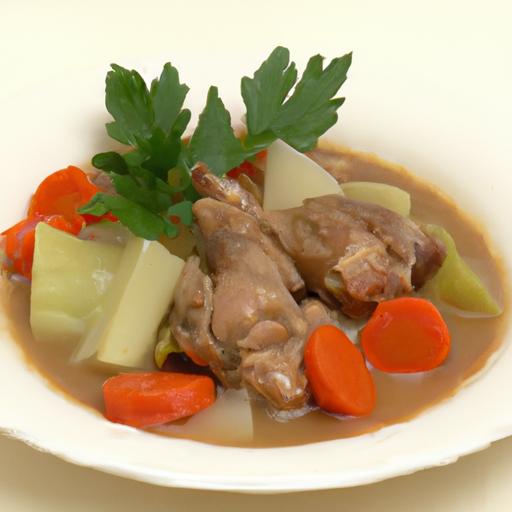

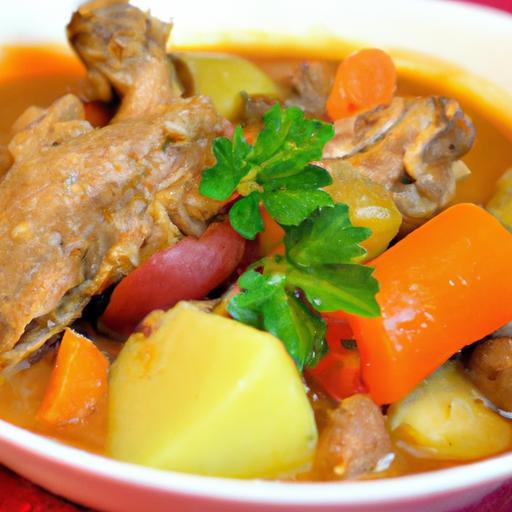
In the realm of comforting dishes that warm both heart adn hearth, few recipes carry the timeless charm and rich heritage quiet like hearty rabbit stew. This savory tradition, steeped in history and brimming with rustic flavors, invites us to slow down and savor the simple pleasures of slow-cooked goodness. More than just a meal, rabbit stew embodies a culinary story passed through generations-where tender meat meets fragrant herbs, earthy vegetables, and a broth that soothes the soul. Join us as we explore the roots,recipes,and reasons why this humble stew continues to captivate palates and preserve a treasured dining ritual worth savoring.
Hearty rabbit stew is a cherished culinary tradition that has warmed family tables across Europe for centuries. Rooted deeply in rustic countryside kitchens and noble feasts alike, this savory dish embodies comfort, history, and the art of slow cooking. Its delicate yet flavorful meat combined with a rich broth creates a stew that is both robust and tender, inviting you to savor every spoonful and connect with a timeless heritage.
Prep and Cook Time
Planning: 30 minutes
Cooking: 2 hours 15 minutes
Total: 2 hours 45 minutes
Yield
Serves 6 generously.
Difficulty Level
Medium – Ideal for home cooks ready to embrace slow, tactile cooking and achieve tender, savory rabbit.
Ingredients
- 2 lbs rabbit pieces, trimmed and cut into serving portions
- 1 cup all-purpose flour, sifted (for dredging)
- 4 tbsp olive oil, divided
- 1 large onion, finely chopped
- 3 garlic cloves, minced
- 2 large carrots, peeled and sliced
- 2 stalks celery, chopped
- 1 cup dry white wine
- 4 cups chicken or vegetable broth, preferably homemade or low sodium
- 2 sprigs fresh rosemary
- 2 sprigs fresh thyme
- 2 bay leaves
- 1 cup pearl onions, peeled
- 8 oz mushrooms, sliced (optional, for earthiness)
- Salt and freshly ground black pepper, to taste
- 1 tbsp tomato paste, for color and depth
- fresh parsley, chopped (for garnish)
Instructions
- Prepare the rabbit: Pat the rabbit pieces dry with paper towels. Season generously with salt and pepper. Lightly dredge in the sifted flour, shaking off any excess to prevent clumping.
- Brown the meat: Heat 2 tbsp olive oil in a large heavy-bottomed pot or Dutch oven over medium-high heat. Add rabbit pieces in batches to avoid crowding. Sauté until golden brown on all sides, about 5 minutes per batch. Transfer browned pieces to a plate.
- Sauté aromatics: In the same pot, reduce heat to medium and add remaining 2 tbsp olive oil. Add chopped onion, carrots, celery, and pearl onions.Cook gently until softened and translucent,about 7 minutes.Stir occasionally to prevent sticking.
- Add garlic and tomato paste: Stir in garlic and tomato paste. Cook for 1-2 minutes until fragrant, coating the vegetables in the deep red paste.
- Deglaze with wine: Pour in the dry white wine to deglaze, scraping up browned bits from the pot bottom with a wooden spoon. Let the wine reduce by half,about 4-5 minutes; this concentrates flavor while mellowing acidity.
- Return rabbit and add broth & herbs: Nestle the browned rabbit pieces back into the pot. Pour in broth until the meat is nearly covered. add rosemary, thyme, and bay leaves. Bring the stew to a simmer, than lower the heat to maintain a gentle simmer.
- Simmer slowly: Cover the pot partially with a lid and let the stew cook for 1 hour and 45 minutes to 2 hours, stirring occasionally.The rabbit should become fork-tender and richly infused with the infused broth.
- Add mushrooms and adjust seasoning: About 20 minutes before finishing, add the sliced mushrooms to the pot.Continue cooking uncovered if you want to thicken the broth slightly. Taste and adjust salt and pepper as needed.
- Final touches: Remove herb sprigs and bay leaves. Sprinkle freshly chopped parsley over the stew just before serving to add brightness and color.
Chef’s Notes
- substitutions: If rabbit is unavailable,young chicken or game hen can offer a similar texture and flavor.
- Make-ahead tip: Like many stews, this dish tastes even better the next day as the flavors meld beautifully. Reheat gently over low heat.
- Broth richness: Use homemade or high-quality broth for the deepest flavor. Consider roasting the rabbit bones for an added layer of umami before simmering.
- Thickening: For a thicker stew, stir in a beurre manié (butter and flour paste) toward the end of cooking, or simmer uncovered to reduce liquid.
- Vegetable variations: Root vegetables like parsnips or turnips can replace carrots for an earthy twist.
Serving Suggestions
Serve your hearty rabbit stew piping hot in wide, shallow bowls to showcase the succulent rabbit and vibrant vegetables. Pair it with creamy mashed potatoes, buttery polenta, or a slice of crusty country bread to soak up the luscious broth. Garnish generously with fresh parsley and a drizzle of good olive oil for a glossy finish.For an elevated touch, add a dollop of sour cream or crème fraîche on the side to add a subtle tang contrast.
| Nutrient | Per Serving |
|---|---|
| Calories | 320 kcal |
| Protein | 38 g |
| Carbohydrates | 12 g |
| Fat | 11 g |

Discover more recipes full of rustic charm like our Classic Beef Bourguignon, a perfect companion to explore rich, slow-cooked dishes. For further reading on wild rabbit sourcing and sustainability, visit USDA Food Safety and Inspection Service.
Q&A
Q&A: Hearty Rabbit Stew – A Savory Tradition Worth Savoring
Q1: What makes rabbit stew a unique and hearty dish?
A1: Rabbit stew stands out for its delicate yet richly savory flavor, combining lean, tender meat with a medley of fresh vegetables and fragrant herbs. Unlike beef or chicken, rabbit offers a subtle gamey taste that, when slow-cooked, blossoms into a comforting, deeply satisfying meal that warms both body and soul.
Q2: Where does the tradition of rabbit stew originate?
A2: Rabbit stew has roots stretching across many cultures, from rustic European countryside kitchens to Mediterranean households. It’s a timeless dish born from the need to nourish and celebrate simple, natural ingredients. Each region adds its own twist-whether a splash of red wine in France or a sprinkling of paprika in Hungary-highlighting the stew’s versatile, global heritage.
Q3: What ingredients are essential for an authentic hearty rabbit stew?
A3: At its heart, a conventional rabbit stew features rabbit meat, slow-simmered until tender, paired with root vegetables like carrots, onions, and potatoes.Aromatics such as garlic, bay leaves, and thyme infuse the broth, while a splash of stock or wine enriches the depth of flavor. Some recipes invite mushrooms, celery, or even pancetta, layering smoky and earthy nuances that deepen the stew’s character.Q4: How should one prepare rabbit meat to ensure it stays tender and flavorful?
A4: The trick to perfect rabbit stew lies in gentle, slow cooking. Browning the meat first seals in juices and builds flavor through caramelization. Then, simmering it over low heat allows the collagen-rich muscle fibers to break down, resulting in tender, melt-in-your-mouth pieces. Patience is key-rushing the process can lead to dry, tough meat.
Q5: Are there health benefits to choosing rabbit meat over other proteins?
A5: absolutely. Rabbit is leaner than many common meats, packed with high-quality protein and lower in cholesterol and fat. It’s a nutritious option for those seeking wholesome meals without compromising on taste. plus, rabbit farming tends to have a smaller environmental footprint, appealing to eco-conscious eaters.
Q6: Can rabbit stew be adapted for modern palates and dietary preferences?
A6: definitely! Rabbit stew can be crafted gluten-free by selecting appropriate thickeners,or made heartier with added legumes like lentils. vegetarian versions, inspired by the traditional stew, may substitute mushrooms or jackfruit to mimic the texture and depth of flavor. Herbs and spices can be adjusted to match personal tastes, keeping the spirit of the stew alive in new forms.
Q7: What occasions are perfect for serving a hearty rabbit stew?
A7: This stew shines during cozy family dinners, rustic celebrations, or any gathering where comfort and connection are cherished. Its rich aroma and satisfying texture encourage sharing around the table, making it a memorable centerpiece for chilly evenings or festive feasts alike.
Q8: Any tips for serving rabbit stew to impress guests?
A8: Serve the stew in rustic crockery alongside crusty artisan bread or buttery mashed potatoes to soak up every luscious drop. Garnish with fresh parsley or thyme for a burst of color and aroma. Pair with a robust red wine or a crisp,herbaceous white to elevate the dining experience,turning a humble stew into a gourmet tradition treasured by all.
Embrace the centuries-old charm of rabbit stew,where simplicity meets savory luxury-a dish that invites you to slow down,savor deeply,and celebrate culinary heritage bite by tender bite.
Concluding Remarks
As the rich aroma of hearty rabbit stew fills your kitchen, you’re not just preparing a meal-you’re honoring a savory tradition steeped in history and comfort. This timeless dish invites you to slow down, savor each bite, and appreciate the humble ingredients transformed by patience and care. Whether shared around a bustling family table or enjoyed in quiet solitude, rabbit stew offers a flavorful connection to culinary heritage that warms the body and soul. So next time you seek a dish that embodies both rustic charm and deep satisfaction, remember that hearty rabbit stew is a savory story ready to be tasted and treasured.