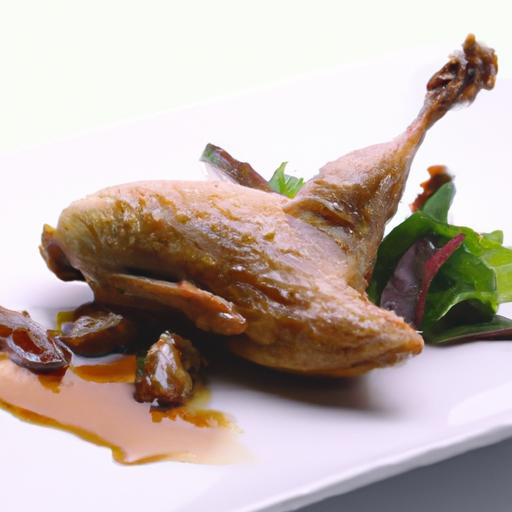

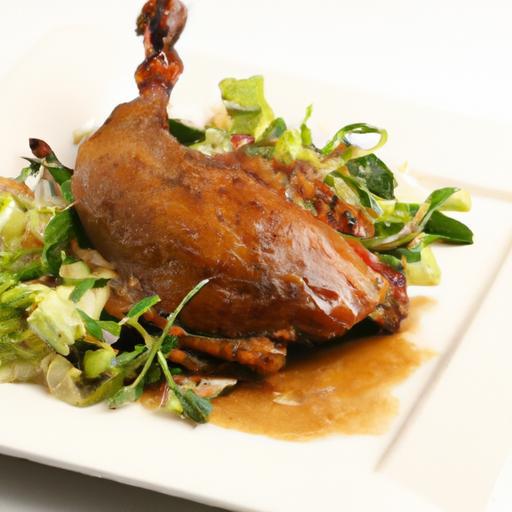
In the vast tapestry of culinary traditions, few dishes evoke the same sense of rustic elegance and enduring charm as duck leg confit. This timeless recipe, rooted in the hearty kitchens of rural France, transforms humble duck legs into a masterpiece of rich, tender flavor through a slow, careful process of curing and slow cooking in thier own fat. More than just a method,duck leg confit is a festivity of patience and technique,yielding meat so succulent it nearly melts in your mouth,with a golden,crisp skin that crackles with every bite. Join us as we explore the history, the artistry, and the irresistible taste of this classic readiness-proving that sometimes, the most luxurious experiences come from the simplest ingredients treated with love and tradition.
Choosing the Perfect Duck legs and Preparing Them for confit
Duck leg confit is a culinary treasure that transforms simple ingredients into a symphony of rich, tender flavor. Selecting the right duck legs is the first step in mastering this timeless recipe.Look for fresh, plump duck legs with a thick layer of skin and a good amount of fat. Ideally, choose legs from free-range ducks for superior texture and flavor.
Before beginning the confit process, rinse the duck legs under cold water and pat them thoroughly dry. This will help the salt cure adhere well and prevent any excess moisture that could interfere with the slow-cooking phase. For an optimal confit, trimming any excess skin or fat isn’t necessary; this renders down during cooking to keep the meat juicy and enhance the final dish with crisp, golden skin.
Mastering the Traditional Salt Cure and flavor Infusion Process
Embrace patience as the key to unlocking the deep, savory notes in your duck leg confit. The traditional salt cure not only seasons the meat but gently draws out moisture, concentrating flavor while tenderizing the flesh. Combine coarse sea salt with aromatic herbs like thyme, bay leaves, and crushed garlic cloves, then rub the mixture generously over the duck legs.
place the salted duck legs in a shallow dish, cover tightly with plastic wrap, and refrigerate for 24 to 48 hours. This slow cure is essential for tender,flavorful meat. Once cured, rinse the salt off and pat dry. Next, submerge the legs in gently warmed duck fat-infused with a few sprigs of rosemary or star anise-to slowly confit at a low temperature, typically between 200°F and 225°F, for 2 to 3 hours until the meat is meltingly tender.
Tips for Crispy Skin and Serving Suggestions That Elevate Your Dish
To achieve irresistibly crispy skin-a hallmark of exceptional duck leg confit-drain the legs from the fat after cooking and pat them dry once more. Place them skin-side down in a preheated skillet over medium heat, rendering the fat further and crisping the skin to a golden, crackling finish.
Serve your duck leg confit atop a bed of braised lentils, creamy polenta, or roasted root vegetables. Garnish with fresh herbs like parsley or chives and a squeeze of fresh lemon to balance the richness. For a refined touch, a drizzle of aged balsamic or a side of tangy cherry compote pairs wonderfully, delivering a lovely harmony of flavors.
Prep and Cook Time
- Prep Time: 30 minutes (plus 24-48 hours curing)
- Cook Time: 2.5 to 3 hours
- Total Time: Approximately 3 days (including curing)
Yield
Serves 4 comfortably.
Difficulty Level
Medium – requires patience and attention but is rewarding for home cooks eager to master classic french techniques.
Ingredients
- 4 duck legs, skin-on, bone-in (about 8 ounces each)
- 1/4 cup coarse sea salt
- 4 cloves garlic, crushed
- 4 sprigs fresh thyme
- 2 bay leaves
- 1 teaspoon black peppercorns, crushed
- 4 cups duck fat (rendered or purchased)
- Optional: 1 sprig fresh rosemary or 1 star anise pod for flavor infusion
Instructions
- Prepare the salt cure: In a bowl, combine the sea salt, crushed garlic, thyme, bay leaves, and peppercorns.
- Apply the cure: Gently massage the salt mixture all over the duck legs, ensuring even coverage. Place legs in a single layer in a non-reactive dish, cover with plastic wrap, and refrigerate 24-48 hours.
- Rinse and dry: After curing, rinse the legs thoroughly under cold water to remove excess salt. Pat wholly dry with paper towels.
- infuse the fat: In a heavy-bottomed saucepan, gently warm the duck fat with optional rosemary or star anise until melted and fragrant, but not hot enough to sizzle.
- Slow cook: Submerge the duck legs in the warm fat in an oven-safe dish or Dutch oven. Cook in a preheated oven at 225°F (107°C) for 2.5 to 3 hours until the meat is tender and easily pulls away from the bone.
- Crisp the skin: Remove the cooked legs from the fat and, once cooled slightly, heat a heavy skillet over medium heat. Place duck legs skin-side down and cook until the skin is crisp and golden, about 5-7 minutes.
- Serve immediately: Pair with your choice of sides and garnish to create a visually stunning plate alive with rich, tender flavors.
Chef’s Notes & Tips for Success
- Make-Ahead: Duck leg confit can be stored in the fat, refrigerated, for up to 2 weeks or frozen for several months.
- Fat Alternatives: If duck fat is unavailable, use clarified goose fat or even a neutral oil, but traditional duck fat delivers unmatched depth.
- Salt Cure Timing: To avoid overly salty meat, do not exceed 48 hours curing.
- Serving Temperature: Duck leg confit shines when served hot and freshly crisped but also works beautifully shredded over salads or in cassoulet.
- Resting Time: Let legs rest after cooking for 10 minutes to allow juices to redistribute before crisping the skin.
Serving suggestions
For a visually captivating plate, nestle the duck leg confit on a vibrant bed of garlic-scented sautéed green beans or a mound of creamy potato purée. Sprinkle with toasted walnuts or pomegranate seeds for texture and a pop of color. Don’t forget a bright,acidic element such as a cherry gastrique or a simple squeeze of lemon to cut through the richness and elevate the dish.

| Nutrient | Per Serving |
|---|---|
| Calories | 620 kcal |
| Protein | 35g |
| Carbohydrates | 2g |
| Fat | 50g |
Want to explore another classic preparation? Check out our guide on Classic French Coq au Vin for more traditional French dishes. For authoritative facts on duck fat benefits, visit Healthline’s detailed article on duck fat.
Q&A
Q&A: Duck Leg Confit – A Timeless Recipe for Rich, Tender flavor
Q1: What exactly is duck leg confit?
A1: Duck leg confit is a classic French preparation where duck legs are slowly cured in salt and herbs, then gently cooked in their own fat until meltingly tender. The result? A rich, succulent meat with a crispy skin that’s both rustic and refined-a true culinary treasure.Q2: Why is confit considered a “timeless” recipe?
A2: Confit dates back centuries, originally as a preservation method before refrigeration. This technique not only extended the shelf life of meat but also elevated its flavor and texture. Its enduring popularity is a testament to its deliciousness and the unmatched depth of flavor that only slow-cooking in fat can achieve.Q3: What makes duck leg confit different from othre duck recipes?
A3: Unlike quick roast or pan-seared duck, confit involves a long, slow cook in duck fat that renders the meat incredibly tender and infuses it with a deep, savory richness. the salting process beforehand layers a subtle seasoning that penetrates the meat, creating a harmony of flavors and textures unique to confit.
Q4: How long does it take to prepare duck leg confit?
A4: Patience is key! The curing step typically takes 24 to 48 hours, allowing salt and aromatics to work their magic. The confit cooking itself is slow-usually 2 to 4 hours at a low temperature-to achieve that buttery softness. While it requires time, the process is hands-off and rewards your effort with sublime flavor.
Q5: Do I need duck fat to make authentic confit?
A5: Ideally, yes. Duck fat is prized for its rich flavor and high smoke point, perfect for slow cooking.It also imparts that signature silky mouthfeel. However, some adventurous cooks use other fats like goose fat or even olive oil, but they won’t quite capture the classic essence of traditional duck leg confit.
Q6: can I make duck leg confit at home without special equipment?
A6: Absolutely! You don’t need fancy gear-just a heavy ovenproof dish or a deep pan with a lid, and a low oven. A thermometer helps ensure gentle, precise cooking. The key is maintaining a low temperature so the duck simmers slowly in its fat rather than frying.
Q7: What are some classic ways to serve duck leg confit?
A7: The possibilities are deliciously endless! Traditionally, confit pairs beautifully with crispy roasted potatoes, a simple green salad, or lentils cooked with herbs. Its rich flavor also shines atop creamy polenta,alongside sautéed mushrooms,or in a decadent cassoulet.
Q8: How long does duck leg confit keep, and how should I store it?
A8: When submerged in duck fat and refrigerated, confit can keep for up to several weeks-a nod to its original preservation purposes.Once cooked, store the legs covered in fat in a sealed container, ensuring the meat remains moist and flavorful. For longer storage, confit can be frozen safely for a few months.
Q9: Can duck leg confit be reheated without losing its magic?
A9: Yes! To revive that crisp skin and tender inside, gently reheat the leg in a skillet or oven. A quick crisp in a hot pan just before serving brings back the irresistible texture without drying out the meat-like the confit’s second debut!
Q10: What makes duck leg confit a special dish to try?
A10: Duck leg confit is a celebration of slow cooking and tradition-a recipe that transforms humble ingredients into an indulgent experience. Mastering it connects you to centuries of culinary heritage, rewarding you with a dish that’s rich, tender, and bursting with soulful flavor. It’s a timeless taste of France right in your kitchen.
To Wrap It up
duck leg confit stands as a shining example of culinary patience and tradition-a dish where time is the true secret ingredient. Its rich, tender flavors are a testament to the art of slow cooking, inviting us to savor not just a meal, but a story passed down through generations. Whether you’re a seasoned chef or an adventurous home cook, embracing this timeless recipe offers more than just a dinner; it’s a journey into the heart of classic French cuisine, where simplicity and technique come together in perfect harmony. So, next time you seek comfort on a plate, remember: a little time and care can transform humble duck legs into a feast fit for kings.