
When it comes to savoring a perfectly cooked ribeye, moast palates conjure up images of juicy beef, rich marbling, and that signature smoky char. But what if we told you there’s a bolder, wilder choice waiting to reinvent this classic cut? Enter the bison ribeye-a striking alternative that combines the familiar tenderness of ribeye with the robust, earthy flavors of the great plains. This article delves into the captivating qualities of bison ribeye, exploring why this lean powerhouse is gaining traction among chefs and food enthusiasts alike. Prepare to embark on a culinary adventure where tradition meets untamed nature, transforming a beloved staple into an remarkable dining experience.
Discovering the Unique Flavor Profile of Bison Ribeye
Bison ribeye unveils a mesmerizing complexity that’s both earthy and refined, a true festivity of wild game elevated by a naturally lean composition.Unlike traditional beef, bison ribeye boasts a slightly sweeter undertone with subtle, nutty notes and a clean, grassy finish that evokes the vast open plains where these grand animals graze. The richness of the marbling is tempered by bison’s lower fat content, lending every bite a tender yet robust character that truly ignites the palate.
What sets this cut apart is its delicate balance between leanness and flavor; the muscle fibers are finer and denser, offering a meaty texture that melts effortlessly if prepared with care. Whether you’re a game meat enthusiast or a curious culinary adventurer, unlocking the flavor of bison ribeye is an invitation to experience nature’s bounty in a deliciously unique way.
Mastering the Art of Cooking Bison Ribeye for Maximum tenderness
Perfectly cooking bison ribeye requires a gentle yet confident approach, since the lower fat content means it can quickly firm up if overcooked. Aim for medium-rare to medium doneness to preserve its natural juices and tender bite. Start by bringing the steak to room temperature and seasoning generously with sea salt and freshly cracked black pepper.
Preheat your cast iron skillet or grill to high heat to achieve a lovely crust, then sear the steak for about 3-4 minutes on each side. Using a meat thermometer is invaluable here-pull the steak off at 130°F for medium-rare. Letting the ribeye rest for 5-10 minutes afterward allows the juices to redistribute, ensuring every slice remains juicy and tender.
for those looking to elevate texture and flavor, marinating the steak for a few hours in olive oil, garlic, fresh rosemary, and a splash of balsamic vinegar softens the meat and introduces delightful herbal complexity.
Perfect Pairings and Seasonings to Elevate Your Bison Ribeye Experience
Bison ribeye’s rich yet delicate flavor matches exceptionally well with simple yet bold accompaniments. Try finishing with a pat of herb-infused butter-think thyme, garlic, and a hint of lemon zest-to amplify the natural savoriness.Robust side dishes like roasted root vegetables,garlic mashed potatoes,or a wild mushroom sauté offer earthy tones that harmonize beautifully.
When it comes to seasoning, minimalist is frequently enough best. coarse sea salt, cracked pepper, smoked paprika, and fresh herbs like sage or rosemary complement without overpowering. For an adventurous twist, a drizzle of aged balsamic or a tangy chimichurri sauce brightens each slice, enhancing the steak’s multifaceted profile.
Sourcing and Sustainability Tips for Choosing Quality Bison Ribeye
Prioritize bison sourced from reputable farms committed to enduring, ethical practices. Wild or free-range bison raised on natural grasses ensures the best flavor and texture while supporting environmental stewardship. Look for certifications and transparent farming methods, as responsible sourcing not only guarantees higher quality but also contributes to the preservation of native ecosystems.
Farmers’ markets, specialty butchers, and trusted online purveyors are excellent places to start your search for premium bison ribeye. Keep in mind, wild bison tend to have a richer, more intense flavor compared to farm-raised, but either option delivers a sensational culinary experience. exploring these sources can deepen your appreciation for this extraordinary cut while respecting the natural cycle of wildlife.
Prep and Cook Time
- Prep Time: 10 minutes
- Marinating Time: Optional 2-4 hours
- Cook Time: 8-10 minutes
- Rest Time: 5-10 minutes
Yield
- Serves 2-3 people
Difficulty Level
- Medium
Ingredients
- 1½ pounds bison ribeye steak, about 1-inch thick
- 2 teaspoons kosher sea salt
- 1 teaspoon freshly cracked black pepper
- 2 tablespoons high-quality olive oil
- 3 cloves garlic, crushed
- 2 sprigs fresh rosemary
- 2 tablespoons unsalted butter
- Optional Marinade: ¼ cup olive oil, 1 tablespoon balsamic vinegar, 1 teaspoon smoked paprika, 1 sprig fresh thyme, 2 cloves garlic, minced
Instructions
- Bring the bison ribeye to room temperature by removing it from the fridge 30 minutes before cooking. If marinating, combine marinade ingredients and submerge steak in a sealed container, refrigerate for 2-4 hours.
- Preheat a heavy cast iron skillet or grill over high heat until smoking hot.Dry the steak with paper towels to ensure a perfect sear.
- Season the steak generously on both sides with kosher salt and freshly cracked black pepper.
- Add olive oil to the skillet, swirling to coat. Place the ribeye carefully in the pan and sear undisturbed for 3-4 minutes to develop a deep golden crust.
- Flip the steak and add butter, crushed garlic, and rosemary to the skillet. Tilt the pan slightly and use a spoon to baste the steak with the melted butter and aromatics for 3-4 minutes more.
- Check internal temperature with a meat thermometer, aiming for 130°F (54°C) for medium-rare or 140°F (60°C) for medium.
- Remove the steak from heat and tent loosely with foil. Let rest for 5-10 minutes to allow juices to redistribute and maximize tenderness.
- Slice thinly against the grain and serve promptly with your favorite sides and garnishes.
Chef’s Notes
- Due to its low fat, bison ribeye cooks faster than traditional beef; avoid overcooking to retain juiciness.
- For added depth, try finishing with a splash of red wine or a pat of compound butter infused with herbs and citrus zest.
- To prep ahead, marinate and store the steak overnight refrigerated; bring to room temperature before cooking.
- Can be grilled, pan-seared, or broiled-adjust cooking times accordingly, but always monitor closely.
Serving Suggestions
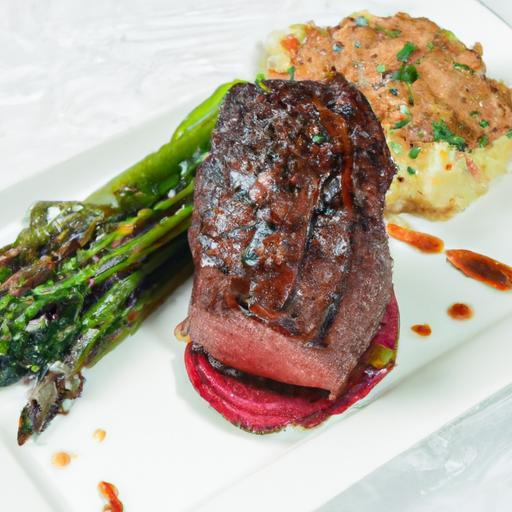
Plate the sliced bison ribeye atop creamy garlic mashed potatoes or alongside charred seasonal vegetables like asparagus or Brussels sprouts. Garnish with a fresh sprinkle of chopped parsley or microgreens and a drizzle of balsamic glaze for visual contrast and flavor brightness. Pair with a bold red wine such as Malbec or Syrah for that truly elevated dining experience.
| Nutrition (per serving) | Amount |
|---|---|
| Calories | 320 kcal |
| Protein | 45 g |
| Carbohydrates | 1 g |
| Fat | 12 g |

For an expert guide on pairing wild game with wine, visit Wine Enthusiast.
Explore more culinary adventures with bison by checking out our Delicious Bison Burgers Recipe.
Q&A
Q&A: Bison Ribeye – A Wild Twist on a Tender Classic Cut
Q1: What exactly is a bison ribeye, and how does it differ from a traditional beef ribeye?
A: The bison ribeye is a cut taken from the rib section of the majestic American bison, a wild and hardy grazer roaming the plains. Unlike its beef counterpart, bison ribeye boasts a richer, slightly sweeter flavor with a hint of earthiness.It’s leaner, boasting less fat marbling than beef ribeye, yet surprisingly tender-a beautiful balance of wild robustness and classic ribeye luxury.Q2: Why should steak lovers consider swapping beef ribeye for bison ribeye?
A: If you crave a steak experience that’s familiar yet exciting, the bison ribeye is your culinary adventure. It provides all the buttery texture and mouthwatering juiciness you expect from a ribeye but with a healthier profile-lower in fat and calories-and a deeper, more complex taste influenced by the bison’s natural grazing habits. It’s like rediscovering steak through the eyes of the wild.
Q3: How does the cooking of a bison ribeye differ from cooking a beef ribeye?
A: Bison ribeye deserves a gentle touch.As it’s leaner, it cooks faster and can dry out if overdone. Think medium-rare to medium for the perfect bite. A rapid sear on high heat to lock in flavor,followed by a gentle finish at medium heat or in the oven,brings out its tender qualities. Resting it properly is key-let the juices settle to avoid a wild, dry surprise!
Q4: Are there any unique flavors or pairings that elevate the bison ribeye experience?
A: Absolutely! The subtly sweet, gamey notes of bison ribeye pair beautifully with earthy accompaniments like roasted root vegetables, caramelized onions, or a red wine reduction with juniper berries. For an extra layer, try a compound butter infused with smoked garlic or fresh herbs like rosemary and thyme-ingredients that pay homage to the bison’s rugged homeland.
Q5: Where can adventurous carnivores find bison ribeye, and is it sustainable?
A: Bison ribeye is becoming increasingly accessible as interest in wild and heritage meats grows. Many specialty butchers and high-end grocery stores carry it, and it’s often available from responsible farms that prioritize humane, grass-fed bison raised with respect for the environment. Choosing bison supports sustainable ranching practices that help preserve grassland ecosystems-a win for your plate and the planet.
Q6: Can bison ribeye fit into more than just steak dinner menus?
A: Definitely! Think beyond the skillet. Bison ribeye shines as the star in gourmet sandwiches, thinly sliced for hearty stir-fries, or even as a bold addition to hearty stews. Its rich flavor lifts any dish, making everyday meals feel wild and extraordinary. Whether grilled, roasted, or pan-seared, it adds a thrilling touch to your culinary repertoire.
Embrace the wild spirit of the bison ribeye and savor a steak that’s both a tribute to tradition and a feast for the adventurous palate. Tender, lean, and downright delicious-this cut is a game-changer waiting on your grill.
To Wrap It Up
Embracing the bison ribeye is more than just trying a new cut of meat-it’s an invitation to experience a wild twist on a beloved classic. with its rich, earthy flavor and naturally lean yet tender texture, bison ribeye offers a delicious journey into the heart of North America’s untamed landscapes. Whether you’re a seasoned grill master or an adventurous foodie, this cut promises a satisfying bite that honors tradition while celebrating the extraordinary.Next time you reach for a ribeye,consider stepping off the beaten path-your taste buds might just thank you for taking the wild road.