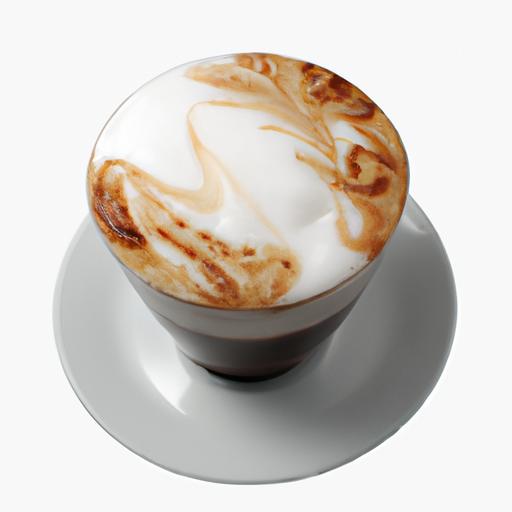


There’s a certain magic in the moment when a barista pours rich, velvety foam atop a freshly brewed shot of espresso – the delicate swirls of froth transforming a simple cup into an experience. Cappuccino, with its harmonious blend of bold coffee and airy milk foam, is more than just a morning ritual; it’s a craft rooted in both art and science. From the precise temperature of steamed milk to the microbubbles that give froth its silky texture, every detail matters in creating that perfect cup. In this exploration,we’ll unveil the secrets behind the froth – decoding the techniques,chemistry,and creativity that come together to make cappuccino an enduring symbol of coffee culture worldwide.
Cappuccino Unveiled: The Art and Science of Perfect Froth invites you into the rich heritage and meticulous craft behind one of the world’s most beloved coffee creations. Originating in Italy in the early 1900s, the cappuccino’s signature harmony of bold espresso and velvety milk foam tells a story steeped in tradition, innovation, and sensory delight. As a culinary content creator and food stylist, I’ve found that mastering the interplay between texture, temperature, and flavor balance transforms this humble cup into an artful experience that awakens both palate and soul.
Prep and Cook Time
Prep: 5 minutes
Cook: 5 minutes
Total: 10 minutes
Yield
Serves 1 – one perfect cappuccino
Difficulty Level
Medium – requires some practice in milk texturing and espresso brewing
Ingredients
- 18-20 grams of fresh, high-quality espresso coffee beans
- 150 ml whole milk, cold (for best frothing)
- Filtered water, for espresso machine
- Optional: cinnamon or cocoa powder for garnish
step-by-Step Instructions
- Grind Your Beans: Use a burr grinder to achieve a fine, consistent grind of about 18-20 grams, essential for a rich espresso shot. Freshly ground beans provide depth and brightness.
- Extract the Espresso: Tamp the grounds evenly in your portafilter, then extract a double shot of espresso (around 30-35 ml) over 25-30 seconds.Aim for a dark, caramel-colored crema on top.
- Prepare Your Milk: Pour 150 ml of whole milk, cold and fresh, into a stainless steel frothing pitcher. Ensure it’s filled about halfway to allow room for foam expansion.
- Texturing the Milk: Submerge the steam wand just below the milk surface and activate it. begin stretching by introducing air-listen for a subtle hissing sound. After about 3-5 seconds, lower the pitcher to fully immerse the wand and heat milk to 60-65°C, creating smooth, velvety microfoam. Avoid overheating to retain sweetness.
- Perfect the Froth: Tap the pitcher firmly on a countertop and swirl the milk to integrate the foam, enhancing its creamy consistency without large bubbles.
- Assemble the Cappuccino: Pour the freshly steamed milk over the espresso slowly, starting from about 3 inches above the cup and lowering closer as you pour. Aim to create a luscious 1:1:1 ratio of espresso, steamed milk, and froth, finishing with a slight foam peak.
- Garnish and Serve: Lightly dust with cinnamon or cocoa powder if desired, enhancing aroma and visual appeal.
Tips for Success
- Use whole milk for the creamiest froth; alternatives such as oat or almond milk behave differently and may require distinct steaming techniques.
- Preheat your cup to maintain temperature and avoid premature cooling of the cappuccino.
- If you lack an espresso machine, consider a stovetop moka pot and a hand frother, though texture and richness will slightly differ.
- Practice patience when frothing milk-achieving microfoam is a skilled balance of speed and steam pressure.
- For brilliant crema, ensure your espresso machine is clean and water quality is optimal.
Serving Suggestions
Serve your cappuccino in a classic 150-180 ml porcelain cup to retain heat and highlight the luxurious froth. Pair with lightly sweet biscotti or a fresh brioche for a complete Italian-inspired ritual. For visual intrigue, experiment with simple latte art using a steady hand and slow pour, elevating your presentation and connecting art with flavor.
| Nutritional Info (per serving) | Amount |
|---|---|
| Calories | 120 kcal |
| Protein | 6 g |
| Carbohydrates | 8 g |
| Fat | 7 g |
For readers eager to dive deeper into coffee science and barista tips, explore our detailed Espresso Techniques Guide. Additionally, the ScienceDaily article on foam stability offers interesting insights into why milk froth can make or break your cappuccino.

Q&A
Q&A: Cappuccino Unveiled – the Art and Science of Perfect Froth
Q1: What exactly makes a cappuccino different from other espresso-based drinks?
A1: At its heart,a cappuccino is a harmonious trio: one-third espresso,one-third steamed milk,and one-third milk froth.This perfect proportion creates a layered experience-robust coffee foundation, creamy middle, and a light, airy crown of froth. Unlike a latte, which leans heavily on steamed milk, the cappuccino’s signature froth provides texture, balance, and a velvety finish.
Q2: Why is froth so essential to a cappuccino?
A2: Froth is more than a decorative flourish-it’s the soul of a cappuccino. The microbubbles in the froth trap aromatic compounds and contribute to both texture and temperature. This airy foam enhances the sensory experience by cushioning the rich espresso underneath and delivering a creamy mouthfeel that lingers with every sip. It’s the delicate science of bubbles that transforms a simple coffee into a tactile indulgence.
Q3: What’s the secret behind creating the perfect froth?
A3: The art starts with fresh, cold milk and the science hinges on temperature, technique, and timing. Steaming milk introduces tiny air bubbles while heating it to around 140-155°F (60-68°C). To cold, and the froth won’t develop; too hot, and the milk scorches, losing sweetness and texture. Skilled baristas use the steam wand angle and pressure to fold the milk, crafting a smooth, glossy foam known as microfoam-rich, dense, and subtly sweet.
Q4: Does milk type affect the frothing process?
A4: Absolutely. Whole milk is the frothing gold standard due to its balanced protein and fat content, which support creamy, stable froth. Skim milk produces a lighter, airier foam, while plant-based milks vary widely-oat milk can create lovely froth because of its natural sugars, whereas almond or soy milk might need additives to perform similarly. Choosing your milk affects the texture,sweetness,and ultimately,the cappuccino’s character.
Q5: Can you froth milk without a steam wand?
A5: Certainly! While professional espresso machines use steam wands, alternative methods unleash froth magic too. Manual frothers, French presses, or even vigorous shaking in a jar can aerate milk, albeit with a different texture. Microwaving after frothing helps stabilize it. Though these methods might not yield the velvety microfoam of a pros’ cappuccino, they open the door to frothy delights at home.
Q6: How does temperature influence the flavor of cappuccino froth?
A6: Temperature is a silent flavor sculptor. Properly heated milk develops natural lactose sweetness through a subtle Maillard reaction, balancing espresso’s bitterness. Overheated milk, though, tastes burnt or flat, spoiling the drink’s harmony.The froth’s temperature controls how the flavors mingle on your palate-warm enough to blend smooth and sweet, yet cool enough to preserve the froth’s lightness.
Q7: Is latte art part of the cappuccino experience?
A7: While latte art is frequently enough associated with lattes, it shines brilliantly on cappuccinos too. The microfoam’s consistency is the canvas, the espresso the backdrop, and the barista’s skill the brush. Swirls, hearts, and rosettas enhance the sensory ritual, merging visual delight with the drink’s taste and texture. After all,a perfect cappuccino pleases the eyes as much as the palate.
Unveiling the cappuccino reveals a delicate balance of chemistry and creativity-a dance between milk, steam, and espresso that culminates in a frothy masterpiece. Each cup tells a story of skill, science, and sensory joy, inviting coffee lovers to savor not just a drink, but an art form.
To Conclude
As the delicate dance between steamed milk and espresso reaches its crescendo, the perfect cappuccino reveals itself not just as a beverage, but as a crafted experience-where art meets science in every velvety froth. Whether you’re a seasoned barista or a curious coffee lover,understanding the nuances behind that creamy crown transforms each cup into a celebration of skill and flavor. Next time you cradle a cappuccino, remember: behind its inviting foam lies a world of precision, passion, and tradition waiting to be savored sip by sip.