
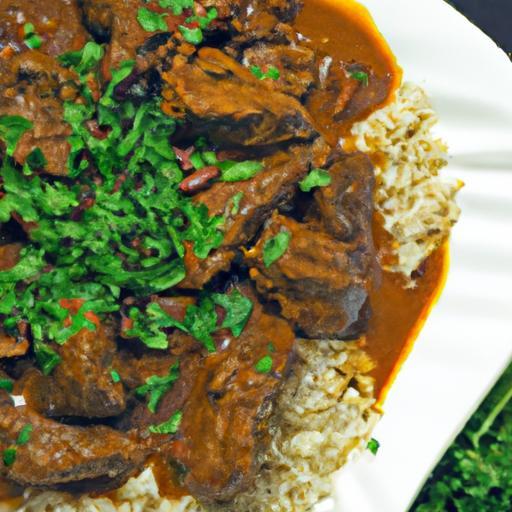
In the vast tapestry of global cuisine, certain ingredients hold a mystique that both intrigues and delights the palate. Among these treasures lies Persian lamb-a delicacy steeped in rich cultural heritage and unparalleled flavor. Journey with us as we uncover the story behind this exquisite meat, exploring it’s origins, unique qualities, and the time-honored culinary traditions that elevate it to a true gastronomic gem. Whether you’re a seasoned food enthusiast or an adventurous eater, discovering Persian lamb promises a sensory experience that transcends the ordinary and invites you into the heart of Persian culinary artistry.
Discovering Persian Lamb opens a gateway to centuries-old culinary traditions rooted in the fertile valleys and bustling markets of Iran. This dish embodies a symphony of flavors, balancing the tender, succulent lamb with aromatic herbs, saffron, and delicate spices that evoke Persian poetry on the palate. My first taste of Persian lamb was unforgettable – a feast at a family gathering where each bite whispered stories of ancient Persia’s regal kitchens. Today, mastering this classic recipe allows you to bring an authentic slice of this rich heritage into yoru home kitchen.
Prep and Cook Time
- Preparation: 30 minutes
- Marination: Minimum 4 hours (preferably overnight)
- Cooking: 1 hour 15 minutes
Yield
Serves 6 generous portions
Difficulty Level
Medium – Ideal for home cooks eager to explore conventional slow-cooked flavors with practical techniques.
Ingredients
- 2 lbs boneless lamb shoulder, trimmed and cut into 2-inch chunks
- 1 large onion, finely sliced
- 4 cloves garlic, minced
- 1 ½ tsp ground turmeric
- 1 tsp ground cinnamon
- 1 tsp ground cumin
- ½ tsp ground cardamom
- 1/4 tsp saffron threads, soaked in 3 tbsp warm water
- 1 cup plain yogurt, preferably full-fat
- Juice of 1 lemon
- 3 tbsp olive oil
- 2 cups beef or lamb stock
- Salt and freshly ground black pepper, to taste
- Fresh parsley and pomegranate seeds for garnish
Instructions
- Prepare the marinade: In a bowl, combine the yogurt, turmeric, cinnamon, cumin, cardamom, soaked saffron with its water, lemon juice, minced garlic, and a generous pinch of salt and pepper. Whisk until smooth and fragrant.
- Marinate the lamb: Toss the lamb chunks in the marinade ensuring every piece is coated. Cover and refrigerate for at least 4 hours, ideally overnight to deepen flavors and tenderize the meat.
- Sauté the onions: Heat olive oil in a heavy-bottomed pot over medium heat. Add sliced onions and cook until translucent and golden, about 8-10 minutes, stirring occasionally to avoid burning.
- Brown the lamb: Add marinated lamb pieces to the pot. Cook in batches if needed,browning all sides for that gorgeous caramelized crust – about 5 minutes per side. This step locks in flavor and juices.
- Simmer the stew: Pour in the stock, stirring gently to deglaze the pot. Bring to a gentle boil, then reduce the heat to low and cover. let the lamb simmer slowly for 1 to 1.25 hours, until fork-tender and infused with spices. Check occasionally to ensure there’s enough liquid, adding a splash of water or stock if needed.
- Final seasoning and rest: Taste and adjust salt, pepper, or lemon juice as desired. Remove from heat and let rest, allowing the aromas to meld beautifully before serving.
Chef’s Notes
- For an even richer taste, substitute lamb shoulder with shank or leg cuts, which become meltingly tender after slow cooking.
- If you can’t access saffron, a pinch of turmeric can be used for color though the signature floral notes will be missing.
- marinating overnight not only tenderizes but also helps spice flavors penetrate deeply,enhancing complexity.
- this dish reheats wonderfully and often tastes better the next day once flavors have further married. Store leftovers covered in the fridge for up to 3 days.
- For a speedy version, brown the lamb and then cook in a pressure cooker for 35 minutes instead of simmering for over an hour.
Serving Suggestions
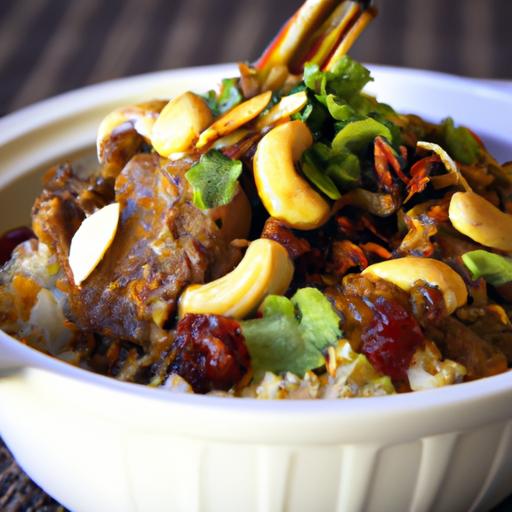
Present your Persian lamb served over a bed of fragrant saffron-infused basmati rice, or accompanied by traditional Persian jeweled rice studded with pistachios, barberries, and slivered almonds. Garnish with fresh parsley,a sprinkle of ruby-red pomegranate seeds,and a drizzle of rich yogurt for balance. Crisp flatbreads, such as lavash or sangak, complement the dish perfectly by soaking up the luscious sauce.
Pair it with a shining, chilled Shiraz or a refreshing mint and cucumber doogh (Persian yogurt drink) to elevate the sensory experience. For those seeking non-alcoholic options, saffron-infused iced tea offers a fragrant counterpart to the spiced lamb’s richness.

| Nutrient | Per Serving |
|---|---|
| Calories | 480 kcal |
| Protein | 42 g |
| Carbohydrates | 8 g |
| Fat | 30 g |
To dive deeper into Persian culinary traditions and spices, check out our Extensive Persian Spices Guide. For additional inspiration and historical context, the Encyclopedia Britannica on Persian cuisine offers excellent insights.
Q&A
Q&A: Discovering persian Lamb – A Culinary Delight Unveiled
Q1: What exactly is Persian lamb, and why is it garnering so much attention in culinary circles?
A: Persian lamb refers to lamb meat prepared using traditional Persian cooking techniques and spices, celebrated for its tender texture and rich, aromatic flavors. It’s gaining popularity as food enthusiasts seek authentic, bold flavors that tell a story of ancient culinary heritage wrapped in every bite.
Q2: How does Persian lamb differ from lamb dishes in other cuisines?
A: Unlike more familiar lamb recipes that might rely on simple roasting or grilling, Persian lamb is a harmonious blend of spices like saffron, cinnamon, turmeric, and dried limes, often slow-cooked to achieve melt-in-the-mouth tenderness. The layers of fragrant herbs and tangy notes give it a uniquely vibrant character that distinguishes it from Mediterranean or Middle Eastern lamb dishes.
Q3: What are the key spices and ingredients that define the flavor profile of Persian lamb?
A: The magic lies in a delicate balance of earthy saffron, warm cinnamon, fragrant cardamom, and the subtle tartness of dried limes or sumac. Fresh herbs like parsley and mint bring brightness, while caramelized onions and garlic add depth. Often, walnuts and pomegranate molasses are introduced for texture and a hint of sweetness, creating a complex, multidimensional taste.
Q4: Can you describe a traditional Persian lamb dish that epitomizes this culinary delight?
A: One quintessential dish is “Khoresh-e-Fesenjan”-a luscious lamb stew simmered in a luscious sauce of ground walnuts and pomegranate molasses.This dish perfectly marries savory and sweet, with the lamb melting into the velvety, tangy sauce, typically served over saffron-infused rice, weaving a tapestry of aromas and flavors that transport diners to the heart of persia.
Q5: what cooking techniques are integral to preparing Persian lamb?
A: Slow cooking is paramount. Whether stewing, braising, or using a traditional clay pot, the lamb is gently cooked over several hours, allowing the spices and meat juices to meld beautifully. Marinating is another critical step, as it infuses the lamb with the signature Persian spice blend, ensuring every bite bursts with flavor.
Q6: How can home cooks begin to experiment with Persian lamb recipes?
A: start with accessible, well-loved recipes like lamb kebabs marinated in saffron and garlic or a simple lamb stew with dried herbs and spices.Sourcing authentic spices-especially saffron and sumac-from specialty stores will elevate the dishes. Embrace patience in slow cooking, and don’t shy away from layering flavors through marination and slow simmering.Q7: What cultural meaning does lamb hold in Persian cuisine and celebrations?
A: Lamb has historically symbolized hospitality and abundance in Persian culture. It’s a centerpiece during festive occasions, family gatherings, and religious celebrations like Nowruz, the persian New Year. Serving richly prepared lamb dishes signifies warmth, generosity, and a deep thankfulness for culinary artistry.
Q8: Where can curious food lovers try authentic Persian lamb dishes?
A: Many Iranian restaurants worldwide offer traditional lamb specialties,but the best experience might come from home-cooked meals shared with Persian families or through cooking classes focusing on Persian cuisine. Exploring local Middle Eastern markets for fresh ingredients and recipes can also unlock this culinary treasure.
Q9: Why should food enthusiasts explore Persian lamb now?
A: In a world hungry for unique, soulful food experiences, Persian lamb offers a connection to history, culture, and exquisite flavors rarely replicated elsewhere. It’s more than just a meal-it’s a sensory journey through Persia’s rich heritage, inviting you to savor warmth, tradition, and innovation all on one plate.
Q10: Any parting tips for readers excited to discover persian lamb?
A: Approach Persian lamb with curiosity and respect for its heritage. Invest time in sourcing quality ingredients and be patient with slow cooking. Let your kitchen be a gateway to a centuries-old culinary journey where every spice tells a story, and every bite is a celebration of persian culture. Bon appétit-or as they say in Persian, “Noosh-e Jaan!” (Enjoy your meal!).
To Conclude
As the layers of Persian lamb’s rich aroma and tender flavors unfold, we find more than just a meal-we uncover a story steeped in tradition, culture, and culinary artistry. This exquisite dish invites us to savor the harmony of spices, the care in preparation, and the warmth of a centuries-old heritage. Whether enjoyed at a bustling bazaar or recreated in your own kitchen, Persian lamb offers a gateway to a vibrant world of taste and history.So next time you seek a dining experience that delights the senses and nourishes the soul, let Persian lamb be your guide to an unforgettable gastronomic journey.