
In teh world of wild game, few cuts evoke as much anticipation and culinary admiration as the elk tenderloin. nestled within the majestic elk, this prized piece offers a delicate balance of tender texture and rich, earthy flavor that transforms any dish into a gourmet experience. Whether you are a seasoned hunter seeking to elevate your harvest or a curious epicurean eager to explore the depths of nature’s bounty, the elk tenderloin stands as a testament to wild game excellence. This guide will navigate you through the nuances of selecting,preparing,and savoring elk tenderloin,unlocking the secrets that turn this humble cut into a centerpiece worthy of fine dining. Prepare to embark on a flavorful journey were wilderness meets sophistication on your plate.
Elk tenderloin offers an incredibly tender and flavorful canvas to showcase the very best of wild game cuisine. Known for its lean, yet succulent meat, this cut requires thoughtful selection and preparation to elevate its natural richness. With roots deeply embedded in North American trails and forests, elk has long been celebrated by hunters and culinary enthusiasts alike for its refined taste and elegant texture.
Prep and Cook Time
Preparation: 15 minutes | Cooking: 20 minutes | Total: 35 minutes
Yield
Serves 4 elegantly satisfied guests
Difficulty Level
Medium - perfect for adventurous home cooks ready to explore game meat mastery
Ingredients
- 1.5 lb elk tenderloin, trimmed and silver skin removed
- 2 tbsp olive oil
- 3 cloves garlic, thinly sliced
- 2 sprigs fresh rosemary
- 2 tbsp unsalted butter, room temperature
- Salt and freshly ground black pepper, to taste
- 1/4 cup dry red wine (like Cabernet Sauvignon)
- 1/4 cup beef or venison stock
- 1 tsp Dijon mustard
- Fresh thyme leaves for garnish
Instructions
- Bring the elk tenderloin to room temperature by letting it rest outside the fridge for about 20 minutes.
- Preheat your oven to 400°F (200°C). Season the tenderloin generously with salt and freshly ground black pepper on all sides.
- Heat olive oil in a heavy oven-safe skillet (cast iron preferred) over medium-high heat until shimmering.
- Carefully place the elk tenderloin in the skillet and sear for 2-3 minutes on each side until a deep golden crust forms. Avoid moving it prematurely to develop a rich, caramelized surface.
- Add the garlic slices and rosemary sprigs to the pan, then spoon the butter around the meat. Tilt the pan slightly and use a spoon to baste the butter over the tenderloin repeatedly for 1 minute to infuse flavor.
- Transfer the skillet to the preheated oven and roast the tenderloin for 8-10 minutes for medium-rare doneness (internal temperature about 130°F/54°C).For medium, roast 2-3 minutes longer.
- Remove the skillet from the oven and transfer the elk tenderloin to a cutting board; tent with foil and allow it to rest for 10 minutes. resting locks in juices and ensures tender slices.
- Meanwhile, place the skillet back over medium heat. Add the red wine and stock, scraping the bottom with a wooden spoon to deglaze and dissolve browned bits.
- Stir in the Dijon mustard and simmer the sauce until slightly thickened, about 3-4 minutes.
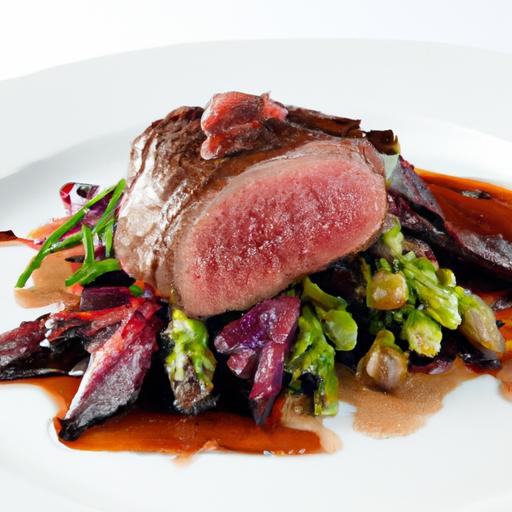
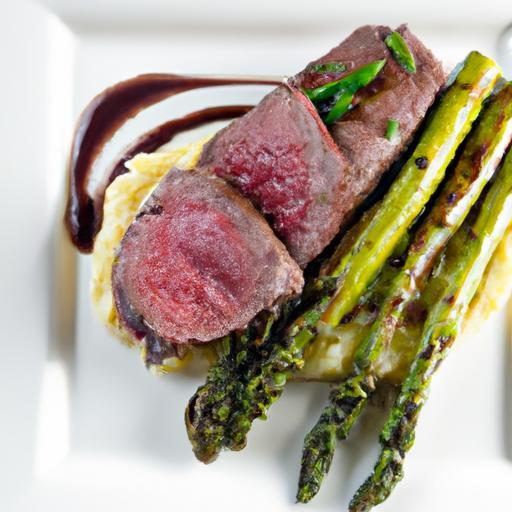
- Slice the rested elk tenderloin into 1-inch medallions. Arrange on warm plates, drizzle with the red wine sauce, and garnish with fresh thyme leaves.
Tips for Success
- Choosing Your Elk Tenderloin: Look for firm, finely textured meat with a luminous, deep red color. Avoid sections with excessive silver skin or bruising-these detract from tenderness and flavor.
- Don’t rush resting: Letting the meat rest redistributes juices for each bite to be juicy and tender.
- Adjust seasoning after resting: Wild game sometimes benefits from a sprinkle of flaky sea salt just prior to serving.
- substitution alert: If unavailable,venison tenderloin can offer a comparable taste experience but tends to be leaner,so adjust cook time slightly shorter to retain moisture.
- Make-ahead tip: you can sous vide the elk tenderloin to 130°F, then sear for flavor just before serving to guarantee perfect doneness.
Serving Suggestions
Present your elk tenderloin with an earthy side like roasted root vegetables or a creamy parsnip purée to complement its natural gaminess. Garnish with fresh thyme and a light drizzle of the red wine reduction for a restaurant-worthy finish. A sprinkle of toasted pine nuts adds a pleasant crunch and sophistication. For an elegant centerpiece, serve alongside a wild mushroom ragout, elevating the forest flavors.
Pair this dish with a robust red wine like a Cabernet Sauvignon or a fruity Pinot Noir to balance the rich, lean meat. For non-alcoholic options, a tart cherry or blackcurrant shrub cut with sparkling water mirrors the wine’s acidity beautifully.

| Nutrient | Per Serving |
|---|---|
| Calories | 320 kcal |
| Protein | 38 g |
| Carbohydrates | 3 g |
| Fat | 15 g |
For more wild game inspiration, discover our collection of venison recipes that beautifully complement elk tenderloin preparations. To deepen your understanding of wild game butchery and enduring sourcing, explore expert insights on US Forest Service wild game resources.
Q&A
Q&A: Elk Tenderloin – A gourmet Guide to Wild game Excellence
Q1: What makes elk tenderloin such a prized cut in the world of wild game?
A: Elk tenderloin is the crown jewel of the wild game kingdom. Celebrated for its fine grain, buttery texture, and rich yet delicate flavor, it stands apart from other meats by offering a leaner, more refined taste. unlike beef, elk carries a subtle earthiness that whispers of untamed forests and mountain meadows, making every bite a connection to nature’s elegance.
Q2: How does elk tenderloin differ from other game meats like venison or bison?
A: While venison often boasts a robust, earthy profile and bison delivers a hearty, beef-like richness, elk tenderloin strikes a harmonious balance. Its flavor is deep but not overpowering, tender yet substantial, and notably lower in fat, which creates a silky mouthfeel that’s both satisfying and sophisticated.
Q3: What are key tips for selecting the perfect elk tenderloin?
A: Opt for a cut that is deep reddish-pink, firm to the touch, and features minimal marbling-elk is naturally lean, so a slight sheen is a hallmark of freshness. If you can source it wild-harvested, that’s the golden ticket: it ensures ethical hunting practices and meat that truly embodies the wilderness.
Q4: how should one prepare and cook elk tenderloin to highlight its best qualities?
A: Simplicity is the secret. treat elk tenderloin like a precious gem: season lightly with salt,cracked pepper,and perhaps a whisper of juniper or rosemary to complement its natural wildness. Cook over high heat to medium-rare-think searing for a few minutes per side-preserving its tenderness and locking in juicy flavors. Overcooking risks drying out this delicate cut, so the key is gentle precision.
Q5: What sides or accompaniments pair best with elk tenderloin?
A: Earthy, rustic elements create a perfect stage: roasted root vegetables, mushroom ragout, or a tangy cranberry reduction can elevate the dish while echoing the natural habitat of the elk. A glass of robust red wine, like a Syrah or Pinot Noir, can add depth and warmth, enhancing the game’s intricate flavor layers.
Q6: Is elk tenderloin a healthy choice compared to conventional red meats?
A: Absolutely. Elk is packed with protein,low in fat,and rich in iron and zinc,making it a nutrient-dense alternative to conventional beef or pork. For those mindful of heart health or seeking leaner options without sacrificing flavor, elk tenderloin is a gourmet yet guilt-free indulgence.
Q7: Can elk tenderloin be incorporated into creative culinary dishes beyond the classic steak?
A: Without a doubt! Elk tenderloin’s versatility invites innovation-from silky tartares infused with wild herbs to delicate medallions nestled atop polenta or enrobed in a subtle berry glaze. Its mild game flavor acts as a blank canvas, inspiring chefs and home cooks alike to craft wild game masterpieces that surprise and delight.
Embark on your culinary adventure with elk tenderloin, and experience wild game excellence that transcends the ordinary. This delicacy isn’t just a meal; it’s a story told through flavor, texture, and tradition-one bite at a time.
To Wrap It Up
In the world of wild game, elk tenderloin stands as a shining star-offering a perfect harmony of rich flavor and tender texture that captivates both novice cooks and seasoned gourmets alike. Whether you’re savoring it grilled over an open flame or elegantly pan-seared to perfection, this prized cut invites you to explore the nuanced depths of nature’s bounty. Embracing elk tenderloin is more than just a culinary choice; it’s a celebration of sustainable hunting, mindful cooking, and the timeless connection between land and table. So next time you seek a dining experience that bridges rustic wilderness with gourmet flair, let elk tenderloin be your guide to wild game excellence.