
There’s somthing undeniably magical about the perfect pie crust-a delicate balance of buttery flakiness and tender crumb that cradles whatever filling lies within. But what if you could capture that magic without a trace of animal products? Enter the world of vegan pie dough: a realm where plant-based ingredients unite to create crusts that are every bit as flaky, fabulous, and downright irresistible as their traditional counterparts. In this article, we’ll unravel the essentials of mastering vegan pie dough, from the art of selecting the right fats to the secrets of achieving that coveted melt-in-your-mouth texture. Whether you’re a seasoned baker or a curious newcomer, prepare to transform humble ingredients into show-stopping pies that celebrate compassion without compromising on flavor or flair.
Understanding the Science Behind Flaky Vegan pie Crusts
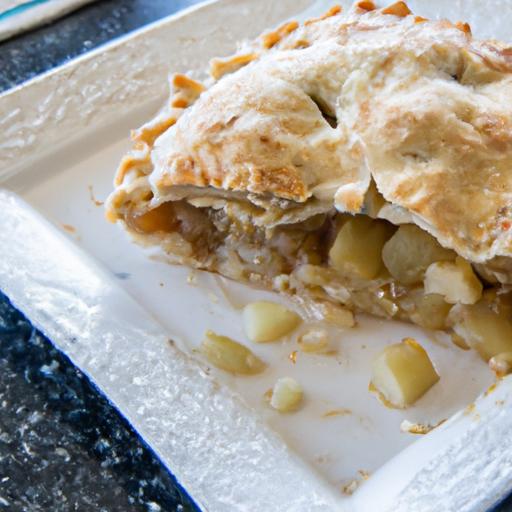
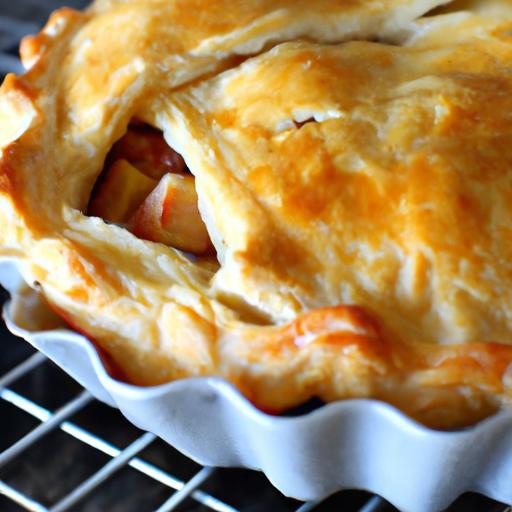
Flaky & Fabulous: Mastering vegan Pie Dough Essentials starts with unraveling the delicate balance of ingredients and technique that create that coveted, buttery-layered texture - but without any animal products. Unlike traditional pie crusts relying on butter or lard, vegan pie dough leans on plant-based fats to mimic that irresistible flakiness. The magic lies in how these fats interact with the flour’s gluten strands to form distinct layers that puff, crisp, and crackle beautifully with every bite.
Choosing the Perfect Plant-Based Fats for Ultimate Flakiness
When it comes to vegan pie dough, not all fats are created equal. Solid fats with high melting points-like refined coconut oil, vegan shortening, or chilled vegan butter-create pockets within the dough that expand during baking, yielding those prized flaky layers. Refined coconut oil is prized for its neutral flavor and firm texture, while vegan butter often offers a richer taste profile and buttery aroma that lifts the entire crust.
many bakers blend fats to harness the strengths of several types-such as combining coconut oil’s firmness with vegan butter’s flavor complexity. For gluten-free or oil-intolerant variations, experimenting with cold avocado or nut butters can lend moisture and richness, though the texture may shift slightly.
Step by Step Techniques to Keep Your Dough Tender and Crisp
- Keep everything ice-cold. Chill your flour, fats, and mixing bowls beforehand. Cold fats are essential to prevent premature melting,which softens the dough and diminishes flakiness.
- Limit water addition. Add only the minimal amount of ice water needed to pull the dough together. Overhydrating activates gluten excessively, leading to toughness.
- Use a gentle touch. Incorporate fats into the flour with a pastry cutter or your fingertips, aiming for pea-sized chunks of fat coated lightly in flour-these pockets create steam barriers as they melt.
- Rest the dough. Wrap and chill the dough for at least 1 hour.This allows the gluten to relax, preventing shrinkage and promoting even baking.
- Roll with care. Roll from the center outward, frequently turning the dough, and avoid overworking to maintain those fragile fat pockets.
Troubleshooting common Vegan Pie Dough Challenges with Expert Tips
Is your dough crumbly or refusing to bind? Frequently enough, this means the fat and liquid ratio needs adjustment-try adding a teaspoon more water gradually. If it’s sticky or tough, chilling longer and rolling more gently can help.
For sagging or shrinking crusts,rest time is key. Also, consider docking the dough or using pie weights during blind baking to combat bubbles and maintain shape.
Want a more robust flavor? Toasting the flour lightly before mixing can add nutty depth, and a pinch of salt amplifies the crust’s character.
Prep and Cook Time
- Planning: 20 minutes
- Chilling: 1 hour
- Baking: 20-25 minutes (blind baking) or per pie filling instructions
Yield
Enough dough for a single 9-inch double crust pie or two 9-inch single crust pies.
Difficulty Level
Medium - Requires attention to detail but straightforward with practise.
Ingredients
- 2 ½ cups all-purpose flour, sifted and chilled
- ¾ cup vegan butter, cold and cubed
- ½ cup refined coconut oil, solid and chilled
- 1 teaspoon fine sea salt
- 6-8 tablespoons ice water
Instructions
- Combine the chilled flour and salt in a large mixing bowl, stirring to blend evenly.
- Using a pastry cutter or your fingertips, quickly cut the vegan butter and coconut oil into the flour mixture until it resembles coarse crumbs with some pea-sized chunks remaining.
- Add 6 tablespoons of ice water, mixing gently with a fork. If the dough isn’t coming together, add an extra tablespoon of water at a time until it just holds when pressed.
- Turn the dough onto a lightly floured surface and shape it into two discs without overworking. Wrap each disc in plastic wrap.
- Chill the discs for at least 1 hour, allowing the fats to solidify and gluten to relax.
- Roll out the dough gently on a floured board, turning frequently, to a 12-inch circle for your crust.
- Fit the dough into your pie pan, easing it into corners without stretching. Trim excess edges and chill for 20 minutes before baking.
- For blind baking: Preheat oven to 375°F (190°C). Line the crust with parchment paper and pie weights. Bake 20 minutes, remove weights and parchment, then bake 5-7 minutes more until golden.
Tips for Success
- Mix fats quickly: The less the fats melt, the better the layers.
- Freeze dough discs: For convenience, freeze wrapped dough up to 1 month; thaw overnight in fridge before rolling.
- Adapt flavors: Add a tablespoon of sugar or herb blends for sweet or savory pies respectively.
- Handling sticky dough: Dust with flour lightly and chill if it softens during rolling.
- Experiment with gluten-free flour blends as a vegan choice, but expect a slightly crumbly texture.
Serving Suggestions
This flaky vegan pie crust pairs beautifully with rich fruit fillings like spiced apple, blackberry, or pumpkin. Garnish with a dusting of powdered sugar or a brush of almond milk glaze post-baking for a golden shimmer.Serve warm with a scoop of coconut-based ice cream or a drizzle of caramel sauce for an indulgent touch.

| Nutrient | Per Serving (1/8 pie) |
|---|---|
| Calories | 220 |
| Protein | 3g |
| Carbohydrates | 28g |
| Fat | 11g |
For even more vegan baking expertise and flavor inspirations,check out our comprehensive vegan desserts guide. Curious about the science of fats? The latest research on fat crystallization offers fascinating insights that underpin these flaky textures.
Q&A
Q&A: Flaky & Fabulous – Mastering Vegan pie dough Essentials
Q1: Why is vegan pie dough any different from traditional pie dough?
A: Traditional pie dough often relies on butter or lard for that signature flakiness and flavor.Vegan pie dough swaps those animal fats for plant-based fats like coconut oil, vegan butter, or vegetable shortening. The challenge-and charm-lies in replicating that tender, flaky texture using purely plant-based ingredients, which means understanding how different fats behave and how to handle the dough just right.
Q2: What’s the secret to achieving flaky layers without butter?
A: The magic is all in the fat and technique. Use solid,chilled vegan fats (think coconut oil or vegan butter) cut into the flour until you get pea-sized crumbs. These fat pockets melt during baking, creating steam that lifts the dough layers apart for that coveted flakiness. Also, keep everything cold and don’t overwork the dough – warmth and overmixing develop gluten, making it tough, not tender.
Q3: Can I use coconut oil in place of vegan butter?
A: Absolutely! Coconut oil is a fantastic vegan fat choice becuase it’s solid at room temperature but melts quickly. It gives the dough a subtle hint of coconut flavor,which can be lovely in sweet pies. just beware that it can make your dough more delicate, so handle gently. Some bakers like blending coconut oil with solid vegetable shortening to balance flavor and texture.
Q4: How do I prevent my vegan pie dough from shrinking or cracking?
A: Treat your dough gently and cold. After mixing,chill it for at least an hour – this rests the gluten and solidifies the fat,reducing shrinkage.Roll the dough evenly to avoid thin spots that crack. When transferring to your pie dish, avoid stretching the dough; instead, carefully lift it to fit. blind bake with pie weights if your filling requires pre-baking to lock shape.
Q5: Is gluten-free vegan pie dough possible?
A: It is indeed, but it’s a bit trickier! Without gluten, you’re missing the elastic network that holds dough together, so you need binders like psyllium husk, flaxseed meal, or xanthan gum. Many gluten-free vegan doughs rely on a mix of rice flour, tapioca starch, and sorghum flour for balance.Expect a more delicate crust and consider par-baking more often to ensure a sturdy base.
Q6: Any tips for rolling out vegan pie dough flawlessly?
A: Chill your dough well, then lightly flour your surface and rolling pin to prevent sticking. roll from the center outward,turning the dough a quarter turn periodically to keep an even circle and prevent sticking. If it softens too much, pop it back in the fridge – patience is your flaky friend. Using parchment paper or silicone baking mats can definitely help with gentle handling.
Q7: What’s an unexpected vegan fat that works well in pie dough?
A: Believe it or not, avocado can be a surprising fat substitute in vegan pie crusts! Mashed ripe avocado adds moisture and richness, though it won’t create layers like solid fats. It’s best for tender, crumbly crusts rather than flaky ones, and it lends a subtle green hue and buttery taste that pairs beautifully with some savory pies.
Q8: How do I store leftover vegan pie dough?
A: Wrap your dough tightly in plastic wrap or a reusable silicone bag and refrigerate for up to 3 days if you plan to use it soon. For longer storage, freeze it for up to 2 months. When ready,thaw overnight in the fridge and gently re-roll. This way, you can have flaky, fabulous vegan pie crust on demand – a true game-changer for spontaneous baking!
Mastering vegan pie dough is part science, part art, and all heart. Perfecting those flaky layers without dairy or eggs proves that fabulous flavors and textures are totally plant-powered. Ready to roll? Your next vegan pie masterpiece awaits!
Future Outlook
As you close the chapter on your newfound knowledge of flaky, fabulous vegan pie dough, remember that mastering this art is as much about patience and practice as it is about ingredients. With each fold and chill, you’re not just crafting a crust-you’re creating a canvas for endless plant-based possibilities. So, whether you’re piecing together a savory pot pie or a luscious fruit-filled tart, let your confidence rise alongside that perfectly buttery, tender dough. Embrace the journey, savor the process, and soon enough, your vegan pies will be flaky works of edible art that delight every palate and inspire every bite. Happy baking!