

There’s something undeniably magical about a perfectly flaky pie crust-the delicate layers that melt in your mouth, the golden edges that crackle with every bite, and the buttery aroma that fills the kitchen. But what if you’re vegan? Does achieving that flawless pie dough become a daunting challenge? Fear not. In this article, we unlock the secrets to crafting flaky and fabulous vegan pie dough that rivals any traditional recipe. From plant-based fats to clever techniques, get ready to transform simple ingredients into a show-stopping crust that’s as compassionate as it is delicious. Whether you’re a seasoned baker or a curious beginner, your vegan pie journey starts here-as everyone deserves a slice of perfection.
Flaky & Fabulous: The secrets to Perfect Vegan Pie Dough unlocks the magic behind that irresistibly crisp, buttery texture that leaves you craving just one more slice. Achieving a pie crust with tender layers and a delicate snap is both an art and a science-one that starts with understanding how plant-based fats interact with flour, how gentle handling preserves those flake-forming pockets, and which baking techniques seal in that perfect texture.
Prep and Cook Time
- Preparation: 25 minutes
- Chilling: 1 hour (minimum)
- Baking: 20-25 minutes (blind baking) or 40-50 minutes (with filling)
- Total Time: Approximately 2 hours
Yield
Makes enough dough for a single 9-inch double-crust pie or a top crust and bottom crust for two 9-inch pies.
Difficulty Level
Medium – Perfect for home bakers looking to deepen their plant-based pastry skills.
Ingredients
- 2 ½ cups all-purpose flour, sifted
- 1 tsp fine sea salt
- 1 tbsp organic sugar (optional, for slight sweetness)
- ¾ cup chilled vegan butter, cubed (preferably coconut oil-based for flakiness)
- ⅓ cup solid coconut oil, chilled and cubed
- 6-8 tbsp ice-cold water
- 1 tbsp apple cider vinegar or lemon juice (helps tenderize dough)
Instructions
- combine dry ingredients: In a large bowl, whisk together the all-purpose flour, sea salt, and sugar evenly. This ensures a uniform base for your vegan pie dough.
- Cut in fats: Using a pastry cutter or your fingertips, incorporate the chilled vegan butter and coconut oil into the dry mix until the texture resembles coarse, pea-sized crumbs with some larger chunks remaining. These fat pockets are key to creating that signature flakiness.
- Add acids and water: Mix the apple cider vinegar into 6 tablespoons of ice water, then slowly add it to the flour-fat mixture. Toss with a fork or your hands,just until the dough begins to bind. Add more water, 1 tablespoon at a time, if the dough feels too dry. Be careful not to overhydrate!
- Form dough discs: Gather the dough gently into two balls and flatten them into discs about 1-inch thick. Wrap each in plastic wrap and chill in the fridge for at least 1 hour. This resting period relaxes the gluten and firms up fats, essential to flaky layers.
- Roll out with care: On a lightly floured surface, roll one dough disc evenly from the center outward, aiming for a circle about 12 inches in diameter. To maintain even thickness, roll with smooth, outward strokes without pressing too hard, turning the dough every few rolls to prevent sticking.Keep the dough cool-if it softens, pop it back in the fridge for 10 minutes.
- Blind baking tips: For a pre-baked crust, line the dough with parchment paper and fill with pie weights or dried beans.Bake at 375°F (190°C) for 20-25 minutes until edges turn golden and the center is firm. Peel off weights and bake 5 minutes more for perfect crispness.
- Adding filling and finishing: Use your flaky vegan crust for any sweet or savory pie. If baking with filling, cover the edges with foil halfway through baking to prevent burning while the filling cooks through evenly.
Tips for Success: Choosing the best Plant-Based Fats for Optimal texture
The secret to flaky vegan pies lies in the type and temperature of fats you use. Chilled coconut oil lends a buttery finish and separates layers beautifully as it melts during baking. Combining it with a firm vegan butter substitute provides structure and richness. Avoid oils that are too liquid at room temperature,as they can make dough tough or greasy instead of flaky. Always keep fats cold to encourage steam pockets while baking-these pockets lift the layers apart for that coveted flakiness.
Mastering the Art of Dough Handling and Rolling Techniques
Work quickly and handle the dough with light hands. overworking dough develops gluten, causing toughness instead of tender flakiness. Roll from the center outward in gentle, even strokes, turning the dough to maintain shape and prevent sticking. Keep your work surface and rolling pin lightly floured, and chill dough frequently to keep fats solid. Resting and chilling the dough is just as critically important as the rolling itself-don’t skip it!
Tips for baking and Storing Vegan Pie Dough to Preserve Flakiness
Preheat your oven thoroughly for even baking. If blind baking, pie weights are your best friend to maintain shape without soggy bottoms. For storing, wrap unused dough tightly in plastic wrap and freeze for up to 2 months; thaw overnight in the refrigerator before rolling.Baked pie dough keeps best at room temperature for 1-2 days, wrapped loosely in foil to maintain crispness without drying out.
Serving Suggestions
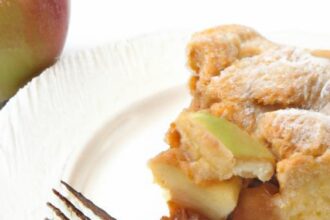
serve your flaky vegan pie crust filled with seasonal fruits like spiced apple and pear or savory blends such as mushroom and thyme. Garnish sweet pies with a dusting of powdered sugar and a few fresh mint leaves, while savory options come alive with a sprinkle of coarse sea salt and freshly cracked black pepper on top just before serving. Pair with plant-based whipped cream or a scoop of dairy-free vanilla ice cream for an indulgent finish.

| Nutrient | Per 1/8 Pie Slice |
|---|---|
| Calories | 210 kcal |
| Protein | 3 g |
| carbohydrates | 25 g |
| fat | 10 g |
for deeper insight into plant-based fats and pastry science, visit the Culinary Institute of America. For more vegan baking inspiration, check out our Vegan Desserts Recipe Collection.
Q&A
Q&A: Flaky & Fabulous – The Secrets to Perfect Vegan Pie Dough
Q1: Is it really possible to make flaky pie dough without butter or lard?
Absolutely! Traditional pie dough relies on fats like butter or lard for flakiness,but vegan fats like coconut oil,vegetable shortening,and even vegan margarine can mimic that magic. The key is choosing a fat that stays solid when cold and learning how to incorporate it just right to create those tender,flaky layers.
Q2: What’s the secret to achieving that perfect flaky texture in vegan pie crust?
Flakiness comes from fat pockets trapped between layers of dough. For vegan dough, start with cold fat and cold water to keep the fat solid until baking. Cut the fat into the flour until pea-sized crumbs form, then handle the dough lightly-overworking melts the fat and develops too much gluten, making the crust tough instead of flaky.
Q3: Can I use olive oil or other liquid oils for vegan pie dough?
Liquid oils tend to create a tender but crumbly crust rather than a flaky one because they blend completely into the flour rather than forming pockets. For truly flaky crust,solid fats are your best bet. That saeid, olive oil can shine in certain pastry recipes, just not when classic flakiness is the goal.
Q4: How critically important is chilling the dough?
Chilling is crucial! Resting the dough in the fridge for at least 30 minutes relaxes the gluten, making it easier to roll out. More importantly, it firms up the fat again, which helps form distinct flakes when baked. Some bakers even chill their dough overnight for maximum fabulousness.
Q5: What flour works best for vegan pie dough?
All-purpose flour is your classic champion, offering the right gluten amount for structure without toughness. For a tender twist, some swore by a blend with pastry flour or even a bit of whole wheat for nutty flavor-just watch the hydration to keep things flaky.Q6: Any tips for rolling out vegan pie dough without it sticking or tearing?
Keep it cool, flour your surface lightly, and roll from the center outward, turning the dough frequently to prevent sticking. If it’s getting too soft, pop it back in the fridge for a few minutes. Patience and cold hands are your friends here!
Q7: How do I prevent my vegan pie crust from shrinking or puffing up too much?
Prick the bottom crust with a fork to vent steam, and consider blind baking with pie weights to hold shape if the filling is wet or the baking time differs between crust and filling. Chill after rolling out and before baking to reduce shrinkage.
Q8: Can I add any special ingredients to jazz up my vegan pie crust?
Definitely! A pinch of salt enhances flavor,a touch of sugar can add a hint of sweetness,and spices like cinnamon or nutmeg can complement your filling. Some bakers add a splash of apple cider vinegar or lemon juice to tenderize the dough and brighten flavor.
Q9: What’s the biggest mistake to avoid with vegan pie dough?
Overworking the dough! It’s tempting to knead until perfect, but that activates gluten and melts your fat, losing flakiness. Be gentle, mix just until the dough holds together, and remember: less is more.
Q10: Any final words of wisdom for vegan pie dough perfection?
Flaky, fabulous vegan pie dough is an art and a science. Embrace the chill factor, choose your fats wisely, handle the dough with care, and don’t be afraid to experiment. With patience and practice, your crust will be the showstopper of any plant-based feast!
to sum up
As you embark on your journey to mastering flaky, fabulous vegan pie dough, remember that patience and practice are your best companions. With each fold and chill, you’re crafting more than just a crust-you’re building a delicate foundation of flavor and texture that elevates every filling it encases. Embrace these secrets, experiment boldly with plant-based ingredients, and let your creativity shine through every golden, buttery (yet entirely vegan) bite. Because in the world of pie, perfection isn’t just a goal-it’s a delicious adventure waiting to be savored.