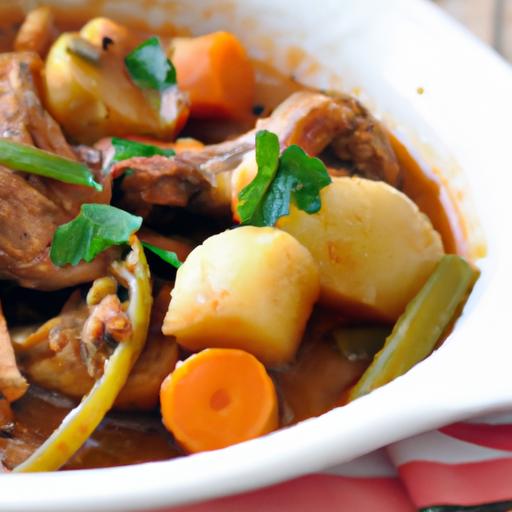

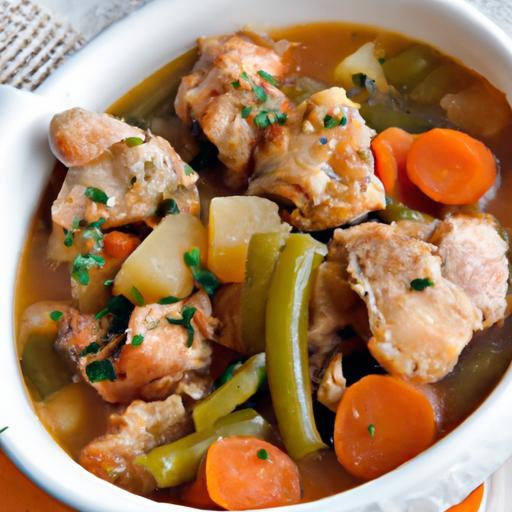
ThereS something truly soul-soothing about a steaming bowl of hearty rabbit stew-a dish that has warmed hearths and hearts for centuries. Rooted in rustic traditions and celebrated for it’s rich, savory flavors, this timeless comfort food classic combines tender rabbit meat with an array of aromatic herbs and wholesome vegetables. Whether enjoyed around a cozy fireside or shared at a family gathering, hearty rabbit stew transcends mere sustenance, inviting you to savor history, simplicity, and the comforting embrace of home-cooked goodness. In this article, we’ll explore the origins, ingredients, and techniques that make rabbit stew a beloved staple across cultures and generations.
Hearty Rabbit Stew: A Timeless Comfort Food Classic
Hearty rabbit stew captures the essence of rustic, slow-cooked comfort food, blending tender, succulent meat with a symphony of conventional herbs and rich, velvety stock. Rooted in European countryside kitchens, this dish evokes warmth and nostalgia, perfect for intimate family dinners or special occasions.My first experience with rabbit stew was at a quaint French countryside inn, where its delicate yet robust flavor left a lasting impression-something I’m excited to share with you today.
Prep and Cook Time
- Preparation: 20 minutes
- Cooking: 2 hours 30 minutes
- Total Time: 2 hours 50 minutes
Yield
Serves 6 hearty portions
Difficulty Level
Medium – ideal for cooks looking to hone slow cooking techniques and flavor layering
Ingredients
- 1 whole rabbit (about 3 to 3.5 lbs), jointed into pieces
- 1 cup all-purpose flour, sifted
- 4 tbsp olive oil
- 4 cloves garlic, minced
- 2 large onions, finely chopped
- 3 carrots, peeled and sliced into 1/2-inch rounds
- 2 celery stalks, diced
- 1 cup dry white wine (such as Sauvignon Blanc)
- 4 cups chicken or game stock, preferably homemade or low sodium
- 2 sprigs fresh rosemary
- 3 sprigs fresh thyme
- 2 bay leaves
- 1 cup pearl onions, peeled
- Salt and freshly ground black pepper, to taste
- fresh flat-leaf parsley, chopped (for garnish)
Instructions
- Prepare the rabbit: Pat the rabbit pieces dry with paper towels to ensure the flour coats evenly. Season generously with salt and pepper. Dredge each piece lightly in all-purpose flour, shaking off excess.
- Brown the meat: heat olive oil in a large heavy-bottomed Dutch oven over medium-high heat. Add rabbit pieces in batches, ensuring not to overcrowd the pan. Brown until golden on all sides, about 5 minutes per batch. Remove and set aside.
- Sauté the aromatics: Lower heat to medium. Add onions,carrots,celery,and garlic to the pot. Sauté until softened and fragrant, about 8 minutes, stirring occasionally to prevent sticking.
- Deglaze with wine: Pour in dry white wine, scraping the browned bits from the bottom with a wooden spoon-this adds soulful depth. Let it reduce by half, about 5 minutes.
- Build the stew base: Return the rabbit pieces to the pot. Add chicken stock, rosemary, thyme, bay leaves, and pearl onions. Bring to a gentle simmer.
- Slow cook for tenderness: Cover and reduce heat to low. Simmer gently for 2 to 2 1/2 hours, turning the rabbit occasionally, until the meat is falling-off-the-bone tender and the flavors meld beautifully.
- Final seasoning: Remove herb sprigs and bay leaves. Taste and adjust salt and pepper as needed.
- Serve: Spoon the stew into warm bowls, sprinkle with fresh chopped parsley for a vibrant finish.
Chef’s Notes and Tips
- Choosing your rabbit: Opt for a young or “spring” rabbit for a milder, tender meat perfect for stewing. If buying frozen, thaw fully and pat dry before cooking.
- Make it richer: For a sumptuous variation, stir in a dollop of crème fraîche or a splash of heavy cream just before serving.
- Vegetable swaps: Autumn veggies like parsnips or turnips can elevate the stew’s earthiness beautifully.
- Make-ahead: This stew tastes even better the next day. Cool wholly, refrigerate in an airtight container for up to 3 days, or freeze for up to 2 months.
- Reheating tip: Warm gently over low heat, adding a splash of stock or water if the sauce has thickened too much to preserve the rustic texture.
Serving Suggestions
This hearty rabbit stew pairs exceptionally well with silky mashed potatoes or creamy polenta-both absorb the luscious sauce perfectly. Rustic country bread, crusty and golden, is perfect for sopping up every last mouthful. Brighten your plate with a simple salad of peppery arugula dressed in lemon vinaigrette to balance richness.
To elevate your dining experience further, serve alongside a medium-bodied red wine such as a Cabernet franc or a lighter Pinot Noir, offering floral and earthy notes that harmonize beautifully with the herbs and gamey depth of the stew.

| Nutrient | Amount per Serving |
|---|---|
| Calories | 320 kcal |
| Protein | 35 g |
| Carbohydrates | 12 g |
| Fat | 14 g |
For more comforting slow-cooked recipes, explore our Classic Beef Stew article to discover another timeless dish that celebrates bold flavors and rustic tradition.
Q&A
Q&A: Hearty Rabbit Stew – A Timeless Comfort Food Classic
Q1: What makes rabbit stew a “timeless” comfort food?
A1: Rabbit stew has been a beloved dish across cultures for centuries, cherished for its rich flavors and nourishing qualities. Its timelessness stems from its ability to evoke warmth and comfort, transforming humble ingredients into a hearty, satisfying meal that transcends generations.
Q2: Why choose rabbit meat for a stew? How does it compare to more common options like beef or chicken?
A2: Rabbit meat is lean, tender, and packed with protein, offering a delicate flavor that absorbs herbs and spices beautifully. Compared to beef, it’s lighter and less fatty, while being more distinctive than chicken. When slow-cooked, rabbit becomes irresistibly succulent, making it a perfect canvas for a rich stew.
Q3: What are the essential components of a hearty rabbit stew?
A3: At its core, a hearty rabbit stew harmonizes tender rabbit pieces with aromatic vegetables-think onions, carrots, and celery-infused with garlic and fresh herbs like thyme and rosemary. A splash of wine or a robust broth deepens the flavor, while root vegetables and potatoes add substance and velvety texture.
Q4: How do you ensure the rabbit meat remains tender and flavorful throughout cooking?
A4: Patience is key. Slow simmering over low heat allows the collagen in the rabbit to break down gently, creating a melt-in-your-mouth tenderness. Marinating the meat beforehand or searing it to lock in juices can also enhance the richness and depth of each bite.
Q5: Can rabbit stew be adapted for different dietary preferences or regional tastes?
A5: Absolutely! This stew is wonderfully versatile.For example, Mediterranean touches might include olives and tomatoes, while a rustic French version could emphasize wine and mustard. For lighter options, use vegetable stock or swap cream for a dairy-free choice. The stew’s foundation invites creativity without losing its comforting essence.
Q6: What is the best way to serve and enjoy hearty rabbit stew?
A6: Serve it steaming hot, ideally with crusty bread to soak up the luscious sauce or alongside buttery mashed potatoes. Garnished with fresh parsley or a touch of cracked black pepper, this stew shines as a cozy centerpiece for family dinners or intimate gatherings, inviting you to slow down and savor every comforting spoonful.
Q7: Any tips for a first-timer eager to try making rabbit stew?
A7: Start simple! Source fresh rabbit from a trusted butcher, gather your favorite aromatic herbs, and allow plenty of time for slow cooking. Don’t rush the process-let the stew bubble gently and your patience will be rewarded with a dish that feels like a warm hug on a chilly day.Most importantly, enjoy the adventure of connecting with a classic recipe that carries history in every bite.
Key Takeaways
As the rich aroma of hearty rabbit stew lingers in the air, it’s clear that this timeless comfort food classic offers more than just a meal-it’s a bridge to tradition, a tapestry of flavors woven from simple ingredients and patient cooking. Whether shared around a rustic table or enjoyed on a quiet evening, rabbit stew invites us to slow down, savor the moment, and embrace the enduring warmth of homemade goodness. In every tender bite, this dish carries the legacy of generations past, reminding us that true comfort frequently enough comes from the stories and flavors we cherish most.