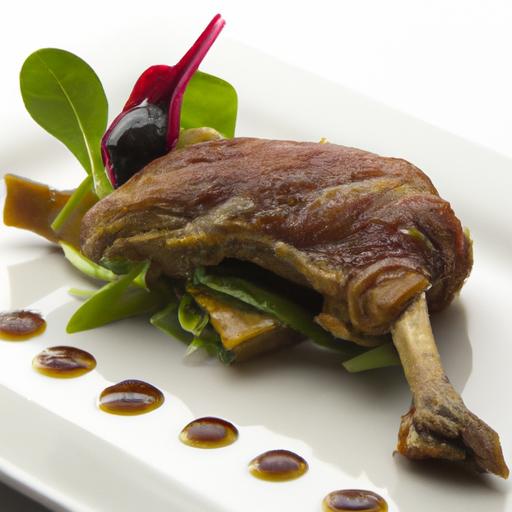


There’s a magic that happens when slow-cooked duck meets the alchemy of crisp, golden skin-an irresistible marriage of texture and flavor that defines the legendary duck confit. Mastering crispy duck confit is more than just a cooking technique; it’s an art form steeped in tradition and culinary finesse. In this article, we’ll unravel the secrets behind achieving that perfect balance of tender, melt-in-your-mouth meat and irresistibly crunchy skin, guiding you thru each step of this timeless French classic. Prepare to embark on a gastronomic journey that transforms humble duck legs into a masterpiece worthy of the finest tables.
Mastering Crispy Duck Confit begins with an gratitude for its centuries-old French heritage-a dish once born from the need to preserve meat but elevated today into a luxurious culinary marvel. This technique transforms duck legs into tender, flavorful morsels cloaked in irresistibly crisp skin, ideal for impressing guests or indulging in a refined, comforting meal.Whether you’re a seasoned gourmet or an adventurous home cook, embracing the art behind this classic recipe invites you to savor every bite and celebrate the harmony of texture and taste.
Prep and Cook Time
- Readiness: 20 minutes
- Curing: 12-24 hours
- Cooking (Confit): 2-3 hours
- Final Crisping: 10 minutes
Yield
Serves 4 hungry guests, perfect for an elegant dinner party or family indulgence.
Difficulty Level
Medium – requires some planning but uses straightforward techniques that offer remarkable results.
Ingredients
- 4 duck legs (thigh and drumstick attached), skin-on
- 1/4 cup kosher salt
- 4 garlic cloves, thinly sliced
- 2 tbsp fresh thyme leaves
- 1 tsp black peppercorns, crushed
- 2 bay leaves, crumbled
- 3 cups duck fat (or enough to submerge legs)
Instructions
- Cure the Duck legs: In a large dish, mix the kosher salt, thyme, crushed peppercorns, sliced garlic, and bay leaves.Rub this mixture thoroughly over the duck legs. Cover tightly with plastic wrap and refrigerate for 12 to 24 hours to infuse deep flavors and gently draw out moisture for tender meat.
- Rinse and Dry: Remove the duck legs from the curing mix, rinse under cold water to remove excess salt and herbs, then pat completely dry with paper towels-this step is vital for crisp skin later.
- Prepare for confit Cooking: In a heavy-bottomed oven-safe pot,gently melt duck fat over low heat. Nestle the legs snugly into the fat,skin side down,ensuring they’re fully submerged for even cooking.
- Slow Cook: Cook in a preheated oven at 225°F (107°C) for 2 to 3 hours, until the meat is meltingly tender and falls off the bone with gentle pressure.maintain a bare simmer-too hot, and the texture will toughen.
- Cool and Store: Carefully transfer the duck legs to a clean container, pouring some of the rendered fat over top to preserve. Let cool to room temperature, then refrigerate if not serving immediately. duck confit can last up to 2 weeks when properly submerged in fat.
- Achieve Irresistible Crispy Skin: When ready to serve,heat a heavy skillet over medium heat. Remove the legs from the fat, wiping off excess, and sear skin side down for 5 to 7 minutes until a golden crust forms. Flip and cook briefly for warmth throughout. Avoid overcrowding for maximum crispiness.
Expert Tips for serving and Pairing Your Duck Confit Masterpiece
For an unforgettable presentation, serve your duck confit atop creamy pommes purée or alongside a vibrant lentil salad dressed with walnut oil and crisp shallots. Garnish with fresh thyme sprigs and a drizzle of the rendered duck fat for an elegant visual and flavor boost. A glass of full-bodied Pinot Noir or a robust Syrah complements the rich, savory qualities beautifully. For a lighter contrast, tangy red cabbage slaw or braised seasonal greens provide an excellent foil to the dish’s richness.
Chef’s Notes
- Prefer a quicker cure? Use poultry seasoning blends or add star anise for an aromatic twist.
- Substitute duck fat with neutral oils only in a pinch; true confit flavor relies on rendered duck fat.
- Double or triple the recipe to prepare ahead-duck confit improves in flavor after a day or two.
- If the duck crisping stage results in uneven browning, finish under a broiler for 1-2 minutes while carefully monitoring.
- To reheat without losing crispness, rewarm gently in the oven at 325°F for 10 minutes before pan-searing.
nutritional Information
| Nutrient | Per Serving |
|---|---|
| Calories | 550 kcal |
| Protein | 35g |
| Carbohydrates | 1g |
| fat | 45g |
For further inspiration, learn how to complement your duck confit with classic French sides in our Classic French Side Dishes article. To explore the rich history and science behind confit techniques, visit The Culinary Institute of America.

Q&A
Q&A: Mastering Crispy Duck Confit - A Culinary Delight Unveiled
Q1: What exactly is duck confit, and why is it considered a culinary treasure?
A: Duck confit is a traditional French delicacy where duck legs are slowly cooked in their own fat until meltingly tender, then crisped to golden perfection. This centuries-old method preserves the meat while unlocking deep, rich flavors, creating a harmony between succulent tenderness and irresistible crispiness. It’s a culinary treasure because it combines preservation artistry with gourmet indulgence.
Q2: Why is achieving crispiness such a crucial part of perfecting duck confit?
A: The magic of duck confit lies in the contrast of textures – luscious,tender meat meets a crackling,crisp skin.That crispy layer is not just a textural delight but also intensifies flavors by caramelizing the skin’s fat and seasoning, elevating each bite from simple to sublime. Without crispness, the confit can feel one-dimensional, missing that tantalizing crunch that turns a dish into an experience.
Q3: What are the essential steps to master the perfect crispy duck confit at home?
A: Begin with slow-cooking the duck legs gently submerged in duck fat at low heat, usually around 85-95°C (185-205°F), for several hours until the meat is tender enough to fall off the bone. After draining excess fat,pat the skin dry like a pro-moisture is the enemy of crispiness. The final flourish is pan-searing or broiling the legs skin-side down, allowing the surface fat to render and the skin to blister into golden, crackling perfection.
Q4: Can you share any secret tips for enhancing flavor during the confit process?
A: Absolutely! Marinating the duck legs with aromatics such as garlic, thyme, bay leaves, and black pepper at least 24 hours before cooking infuses the meat with a fragrant backbone.Also, don’t rush the drying stage post-cooking-letting the confit chill uncovered in the fridge overnight tightens the skin, making crisping much easier and more effective.Q5: What are some creative ways to serve crispy duck confit beyond the classic preparations?
A: Duck confit’s versatility is delightful. Try shredding it into warm salads with winter greens and pomegranate seeds for a fresh twist, or fold it into gourmet tacos with tangy slaws and chipotle mayo. For a luxurious treat, pair it with creamy polenta or atop wild mushroom risotto. The key is to balance the rich, fatty flavor with vibrant, textured accompaniments that complement but don’t overpower.
Q6: Is duck confit suitable for home cooks of all skill levels?
A: While traditionally seen as a chef’s technique, duck confit is surprisingly approachable with a bit of patience and diligence. The slow-cooking phase allows for some versatility, and mastering the final crisp step is a rewarding challenge. With detailed guidance and quality ingredients,even eager home cooks can conquer this dish and impress family and friends.
Q7: How does mastering duck confit elevate one’s overall cooking skills?
A: Tackling duck confit enriches your understanding of fat rendering, temperature control, and textural balance-basic concepts in gourmet cooking. It also cultivates patience and precision,valuable traits for any culinary adventure. The confidence gained from transforming humble ingredients into a luxurious dish naturally enhances your expertise and creativity in the kitchen.
Embrace the journey of duck confit mastery-it’s more than a recipe; it’s a flavorful theater of flavor and technique, inviting you to celebrate the art of slow cooking and the joy of crispy, golden perfection. Bon appétit!
In Summary
As you embark on your culinary journey to master crispy duck confit, remember that this timeless dish is more than just a recipe-it’s a celebration of patience, technique, and rich tradition.With each tender, flavorful bite and that irresistibly crisp skin, you honor centuries of French culinary artistry, bringing a sophisticated delight right to your table. So sharpen your knives,embrace the process,and let this exquisite masterpiece transform your kitchen into a haven of mouthwatering indulgence. Mastering duck confit is not just cooking-it’s elevating your craft to an unforgettable experience.