
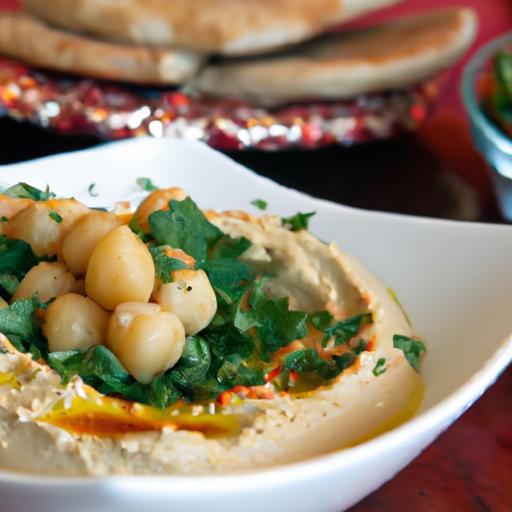
Hummus, the beloved middle Eastern dip known for its creamy texture and rich, nutty flavor, has long been a staple at tables around the world. Yet, when you journey to the vibrant kitchens of Morocco, this classic dish takes on a delightful new life. Moroccan hummus is not just a mere variation; it’s a flavorful twist that weaves together the country’s bold spices, fresh herbs, and distinctive culinary traditions. Infused with aromatic cumin,fiery harissa,and the zest of preserved lemons,this version transforms a humble spread into a captivating festivity of Moroccan culture. Join us as we explore the ingredients, history, and unique flair that make Moroccan hummus a must-try for any hummus enthusiast seeking an exotic adventure for the palate.
Moroccan hummus invites you on a vibrant journey where traditional Middle Eastern comfort meets North African spice. This delightful variation of the classic dip infuses the creamy chickpea base with the rich, aromatic flavors of cumin, paprika, and preserved lemons, creating a sensory tapestry that is both familiar and wonderfully unexpected. Each spoonful bursts with warmth and zest, reflecting Morocco’s dazzling spice markets and time-honored culinary artistry.
Prep and Cook Time
Preparation: 15 minutes | Cooking: 10 minutes | Total: 25 minutes
Yield
Approximately 4-6 servings
Difficulty Level
Easy to Medium – Perfect for adventurous cooks and hummus lovers alike.
Ingredients
- 1 ½ cups cooked chickpeas (or one 15 oz. can, drained and rinsed)
- 3 tablespoons tahini, well stirred
- 2 tablespoons extra virgin olive oil, plus extra for drizzling
- 1 medium garlic clove, minced
- 1 tablespoon fresh lemon juice
- 2 teaspoons preserved lemon peel, finely chopped (optional but highly recommended)
- 1 teaspoon ground cumin
- 1 teaspoon smoked paprika
- ½ teaspoon ground coriander
- ¼ teaspoon cayenne pepper (adjust to taste)
- Salt to taste
- 2-3 tablespoons cold water, for desired creaminess
- Fresh parsley or cilantro for garnish
- Toasted sesame seeds or pomegranate arils (optional, for garnish)
Instructions
- Prepare the chickpeas: If using canned chickpeas, rinse thoroughly under cold water to remove excess sodium and drain well. For a silkier texture, you can peel the skins off each chickpea by gently pinching them between your fingers, though this step is optional.
- Combine base ingredients: In a food processor, add chickpeas, tahini, garlic, and lemon juice. Pulse a few times to begin breaking down the mixture.
- Add spices and preserved lemon: Incorporate cumin, smoked paprika, coriander, cayenne pepper, salt, and preserved lemon peel. Blend again while drizzling the olive oil thru the feed tube.
- Adjust texture: Slowly pour in cold water one tablespoon at a time, blending between additions, until the hummus reaches a smooth, creamy consistency. Scrape down the sides as needed for an even blend.
- Taste and tweak: Sample the hummus, adjusting salt, lemon, or cayenne pepper to fit your preferred balance of smoky, tangy, and spicy notes.
- Plate with flair: Spoon the hummus into a shallow bowl, creating a slight well in the center. Drizzle with extra virgin olive oil and sprinkle with fresh parsley or cilantro.Garnish with toasted sesame seeds or vibrant pomegranate arils for added texture and a pop of color.
Tips for Success
- Preserved lemons elevate the dish with their bright, salty tang. If unavailable, substitute with a teaspoon of lemon zest and a pinch of salt, but the authentic Moroccan flair might be milder.
- Warm spices like cumin and coriander can be lightly toasted in a dry pan for 1-2 minutes before adding to deepen the flavors.
- Texture preference? For chunkier hummus, reserve a handful of chickpeas, mash them separately, and fold them in at the end.
- Make ahead: Moroccan hummus keeps beautifully in the fridge for up to 4 days. Bring it to room temperature and add a splash of olive oil before serving to revive creaminess.
- Boost nutrition: For extra protein and texture, garnish with toasted pine nuts or a sprinkle of za’atar spice mix.
Perfect Pairings and Serving Suggestions
Moroccan hummus shines brightest when embraced by complementary flavors and textures. Serve it alongside warm, fluffy khobz (traditional Moroccan bread) or crispy pita chips to scoop up every luscious bite. Fresh vegetable sticks-think crunchy cucumber, bell pepper strips, or radishes-add refreshing contrast.
Pair with a vibrant Moroccan tagine, roasted vegetables dusted with ras el hanout, or a colorful mezze platter featuring olives, marinated artichokes, and grilled halloumi cheese. For an idyllic entertaining spread, accompany the hummus with bright salads like zaalouk (roasted eggplant salad) or tabbouleh, allowing diners to savor the full spectrum of North African tastes.
Don’t forget a chilled glass of fresh mint tea to complete the sensory experience, cleansing the palate and transporting you to the bustling souks of Marrakech.
| Nutritional Information (per serving) | Amount |
|---|---|
| Calories | 180 kcal |
| Protein | 7 g |
| Carbohydrates | 18 g |
| Fat | 9 g |

For further inspiration on Mediterranean dips with rich cultural roots, explore our full guide on Mediterranean Dip Recipes. For a deeper dive into preserved lemons, visit Bon Appétit’s Guide to crafting this essential ingredient.
Q&A
Q&A: Moroccan Hummus – A Flavorful Twist on a Classic Dip
Q1: What makes Moroccan hummus different from the traditional version?
A1: Moroccan hummus elevates the classic chickpea dip by infusing it with bold and aromatic spices typical of Moroccan cuisine. Think cumin, paprika, and a hint of cinnamon, alongside a drizzle of fragrant argan or olive oil. This blend creates a warm,slightly smoky flavor that sets it apart from the more familiar Mediterranean style.
Q2: Are the ingredients for Moroccan hummus any different?
A2: The base remains the same-chickpeas,tahini,lemon juice,and garlic-but the magic happens with the addition of Moroccan spices such as ras el hanout,coriander,and sometimes preserved lemon or harissa paste. These additions lend the dip an enticing complexity and a subtle heat.
Q3: How do you prepare Moroccan hummus at home?
A3: Start with your favourite hummus recipe, then mix in a blend of ground cumin, smoked paprika, and a pinch of cinnamon.stir in finely chopped preserved lemon or a spoonful of harissa for extra zing. Garnish with toasted pine nuts, fresh parsley, and a generous splash of warm olive oil to complete the authentic Moroccan vibe.
Q4: What dishes pair well with Moroccan hummus?
A4: Moroccan hummus pairs beautifully with warm, fluffy pita bread, crisp vegetable sticks, or as a vibrant spread in sandwiches and wraps. It also complements grilled meats and roasted veggies, making it a versatile addition to mezze platters or a flavorful side at any meal.
Q5: Is Moroccan hummus suitable for special diets?
A5: Absolutely! It’s naturally vegan, gluten-free, and packed with plant-based protein and fiber. Just watch the spice levels if you’re sensitive to heat, but it’s a wholesome and tasty choice for many dietary preferences.
Q6: Can Moroccan hummus be served warm?
A6: Yes! While traditionally served at room temperature or chilled, warming Moroccan hummus slightly can awaken its fragrant spices and create a comforting dip, especially when paired with warm bread or roasted vegetables.
Q7: Why is Moroccan hummus gaining popularity?
A7: Food lovers worldwide are seeking global flavors that add excitement to everyday dishes. moroccan hummus offers a familiar comfort food with an exotic twist-combining wholesome ingredients with vibrant, soulful spices that invite adventurous palates to savor something truly special.
Explore this flavorful twist on a beloved classic and bring a taste of Morocco’s rich culinary heritage to your table!
In Retrospect
As we’ve discovered, Moroccan hummus is more than just a variation-it’s a vibrant celebration of North African flavors that transforms the familiar creamy dip into a fragrant, spice-kissed masterpiece.Whether drizzled with smoky paprika, dotted with toasted sesame seeds, or enlivened by a hint of preserved lemon, this flavorful twist invites you to explore the rich culinary heritage of Morocco with every bite. So next time you reach for your beloved hummus, consider giving it a Moroccan makeover-a simple yet delightful way to awaken your taste buds and add a splash of adventure to your appetizer spread.