

There’s something timeless about teh simple harmony of pita and hummus-a duo that transcends borders and generations, inviting us to savor both history and flavor in every bite. From sunbaked Middle Eastern kitchens to bustling urban eateries around the world,this pairing has woven itself into culinary traditions as a staple of nourishment and hospitality. But beyond its flavorful appeal lies a rich tapestry of culture, technique, and stories passed down through centuries.Join us as we explore how pita and hummus came to be more than just food-they are edible bridges connecting past and present, heritage and innovation, warmth and community.
Pita & Hummus: A Delicious duo Rooted in Tradition
Pita & Hummus: A delicious duo rooted in tradition, these beloved staples of middle Eastern cuisine captivate food lovers worldwide with their rich history, comforting flavors, and remarkable versatility. From bustling markets in Jerusalem to cozy kitchens in Beirut, this timeless pairing unveils stories of culture, craftsmanship, and community in every bite. Mastering the art of making perfect pita and creamy hummus at home allows you to reconnect with these age-old traditions while delighting your senses.
Prep and cook Time
- Pita Dough Preparation: 10 minutes
- Proofing: 1 hour 30 minutes
- Baking: 5-7 minutes per batch
- Hummus Preparation: 10 minutes
- Total time: Approximately 2 hours (includes resting time)
Yield
Makes 8 medium pita breads and 2 cups of hummus, serving 4-6 people as an appetizer or snack.
Difficulty Level
Medium – While straightforward, attention to dough consistency and hummus blending techniques help elevate the final result.
Ingredients
- pita Bread:
- 3 cups all-purpose flour, sifted
- 1 cup warm water (110°F / 43°C)
- 2 teaspoons active dry yeast
- 1 teaspoon sugar
- 1 teaspoon salt
- 2 tablespoons olive oil
- Classic Hummus:
- 1 ½ cups cooked or canned chickpeas, drained (reserve liquid)
- ¼ cup fresh lemon juice (about 1 large lemon)
- ¼ cup tahini (sesame paste)
- 2 tablespoons extra virgin olive oil
- 2 cloves garlic, minced
- ½ teaspoon ground cumin
- Salt to taste
- 2-4 tablespoons reserved chickpea liquid or water (for desired creaminess)
instructions
- Activate the yeast: In a small bowl, whisk warm water, sugar, and yeast. Let sit for 5-10 minutes untill foamy. This ensures your yeast is alive and ready for action.
- Make the dough: In a large mixing bowl, combine the sifted flour and salt. Pour in the yeast mixture and olive oil. Stir gently until a shaggy dough forms.
- Knead to perfection: Transfer the dough onto a lightly floured surface. Knead vigorously for 8-10 minutes until smooth and elastic. If the dough feels too sticky,add a small dusting of flour,but avoid excess to keep pitas soft.
- First rise: Place the dough in a lightly oiled bowl, cover with a damp towel or plastic wrap, and let it rest in a warm spot for about 1 hour or until doubled in size.
- Shape your pitas: Punch down the dough gently and divide into 8 equal portions. Roll each ball into a 6-inch diameter circle, about ¼-inch thick, using a lightly floured surface.
- Bake the pita: Preheat your oven to 475°F (245°C) and place a baking stone or an inverted baking sheet inside to heat. bake pitas 2-3 at a time for 5-7 minutes,until they puff fully and acquire golden brown spots. The puffing creates a pocket perfect for stuffing.
- Prepare classic hummus: Combine tahini and lemon juice in a food processor and blend for 1 minute.Add minced garlic,olive oil,and cumin,blending until smooth.
- Add chickpeas: Gradually add chickpeas while the processor is running. Scrape down the sides as needed. Slowly drizzle reserved chickpea liquid or water to achieve a luscious,silky texture.
- Season and adjust: Taste and add salt, lemon juice, or garlic to your preference. Blend once more for uniform creaminess.
- Serve warm or at room temperature: Place hummus in a shallow bowl and drizzle with extra olive oil. Garnish with a pinch of paprika or chopped fresh parsley.
Tips for Success
- Use high-quality, finely ground flour for the pita dough to get a tender crumb and beautifully puffed pockets.
- Rest your yeast mixture at the right temperature; too hot or too cold water can deactivate the yeast.
- For hummus, peeling the chickpeas (pinching off their skins) results in silkier texture but is optional depending on your patience!
- Adjust the tahini-to-lemon juice ratio to suit your taste-lemon juice brightens while tahini enriches flavors.
- Make pita dough ahead and refrigerate overnight for more complex flavor progress.
- Store pita wrapped in a clean kitchen towel to keep soft; warm again wrapped in foil before serving.
Flavor Pairings and Serving Suggestions
Enjoy this duo with crisp, freshly sliced cucumbers, ripe cherry tomatoes, and luminous pickled turnips. Add a scattering of toasted pine nuts or pomegranate seeds over your hummus for texture and visual appeal. A drizzle of chili oil or za’atar spice blend awakens deeper notes.
Stuff pita pockets with grilled vegetables, marinated meats like shawarma, or fresh herbs and tangy feta to create an irresistible handheld meal. For a refreshing twist, serve alongside a fresh tabbouleh salad or olives.
| Nutrient | Per Serving (2 Pitas + ¼ cup Hummus) |
|---|---|
| Calories | 280 kcal |
| Protein | 8 g |
| Carbohydrates | 45 g |
| Fat | 7 g |
| Fiber | 6 g |
Health Benefits and Nutritional Insights
The wholesome combination of pita & hummus offers a balanced meal rich in complex carbohydrates,plant-based protein,and heart-healthy fats. Chickpeas provide a robust source of dietary fiber, supporting digestion and blood sugar regulation.Tahini boosts the hummus with essential minerals like magnesium, iron, and calcium, while olive oil contributes antioxidant-rich monounsaturated fats.
This traditional duo is naturally gluten-rich when made with wheat flour, but swapping to whole wheat or gluten-free flour alternatives can enhance the fiber content or accommodate dietary needs without sacrificing texture or flavor.
For an in-depth exploration of Middle Eastern breads and dips, see our Middle Eastern Breads Guide. For scientific insights into chickpea nutrition, visit NCBI’s research on chickpeas.

Q&A
Q&A: Pita & Hummus – A Delicious Duo Rooted in Tradition
Q1: What makes pita and hummus such a beloved pairing across cultures?
A1: Pita and hummus form a culinary dance of texture and flavor. Pita’s soft, pillowy pockets are perfect for scooping up creamy, nutty hummus, creating a bite that’s both satisfying and harmonious. Their roots run deep in Middle Eastern traditions were communal eating and shared dishes celebrate connection and hospitality, making this duo more than just food-it’s a cultural experience.Q2: Where do pita bread and hummus originate from?
A2: Both pita and hummus boast ancient origins in the Middle East. Pita bread dates back thousands of years, known as ”the bread pocket,” ideal for stuffing with various fillings. Hummus, made from chickpeas blended with tahini, olive oil, lemon, and garlic, has been a staple in Levantine cuisine for centuries. Together, they reflect the resourcefulness of early agricultural communities who transformed simple ingredients into enduring delicacies.
Q3: How is traditional pita bread made?
A3: traditional pita is crafted from a simple dough of flour, water, yeast, and salt. When baked at high temperatures, the moisture inside the dough creates steam, puffing it up and forming the characteristic pocket. This ingenious baking method turns flatbread into a handy edible vessel-perfect for wrapping, dipping, or stuffing.
Q4: what gives hummus its signature creamy texture and rich flavor?
A4: the secret to hummus’s velvety texture lies in well-cooked chickpeas and the smooth sesame paste known as tahini. When blended with olive oil, fresh lemon juice, and garlic, these ingredients meld into a luscious spread.Each addition plays a role: tahini adds earthiness, lemon brightness, garlic a punch of spice, and olive oil a silky finish.
Q5: How has pita and hummus evolved in modern cuisine?
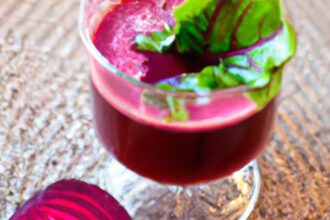
A5: While rooted in tradition, pita and hummus have traveled far beyond their origins. Today, you’ll find countless variations-from beet hummus glowing with vibrant pink hues to pita stuffed with global flavors like falafel, grilled meats, or roasted vegetables. This versatility keeps the duo relevant, bridging old-world charm with contemporary creativity.
Q6: Why is pita and hummus considered a healthy food choice?
A6: Beyond their deliciousness, both pita and hummus pack nutritional benefits. Chickpeas are rich in protein and fiber, aiding digestion and satiety. Olive oil provides heart-healthy fats, while pita delivers complex carbohydrates for sustained energy. together, they offer a balanced, wholesome snack that fuels body and soul.
Q7: How can someone enjoy pita and hummus at home, beyond the classic dip?
A7: the beauty of pita and hummus lies in their adaptability. try using pita as a base for quick pizzas, layering hummus as a creamy spread in wraps, or cutting pita into chips to bake with spices. Hummus can also become a dressing for salads or a flavorful ingredient in grain bowls. Experimentation invites discovery, turning this traditional duo into your personal kitchen muse.
Q8: What cultural importance does pita and hummus hold?
A8: More than just sustenance, pita and hummus symbolize hospitality and community in many Middle Eastern traditions. Sharing dishes at the table fosters togetherness and conversation. Serving pita and hummus isn’t just offering food-it’s an invitation to connect, celebrate heritage, and partake in an enduring ritual of warmth and welcome.
Whether as a humble lunch or a festive spread, pita and hummus continue to charm taste buds and hearts around the world-a delicious duo steeped in history and flavor, inviting every generation to savor their timeless story.
Key Takeaways
From ancient grains to timeless harvests, pita and hummus have journeyed through centuries to grace our tables today. This dynamic duo is more than just a meal-it’s a story of tradition, community, and flavor woven together across cultures and time. Whether you dip, scoop, or savor them side by side, pita and hummus invite us to connect with history in every bite. So next time you enjoy this delicious pairing, remember: you’re tasting a legacy as rich and enduring as the Mediterranean sun itself.