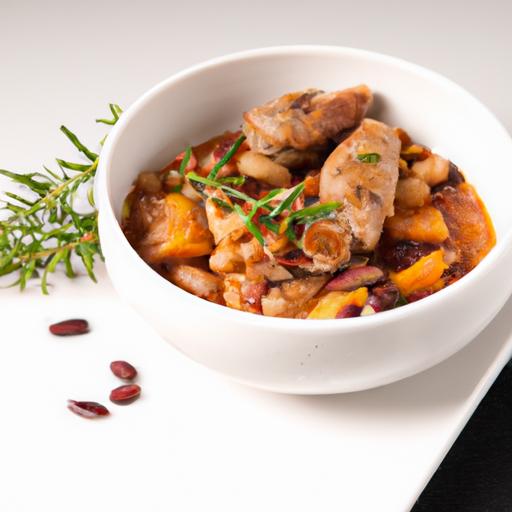

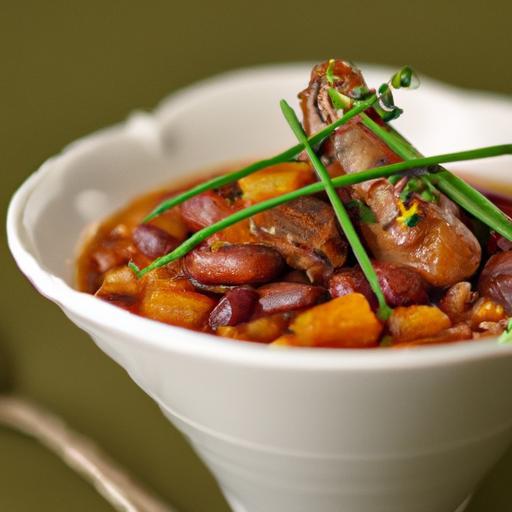
There’s a certain magic in dishes that carry the weight of tradition within their rich, simmering depth-dishes that not only fill the belly but also warm the soul.Duck and sausage cassoulet is one such culinary treasure, a hearty French classic that invites you into the rustic heart of southwestern France. With tender duck confit, savory sausage, and layers of slow-cooked beans melding into a symphony of flavors, this dish tells a story of patience, comfort, and party. In this article, we’ll explore the origins, ingredients, and techniques that make cassoulet an enduring symbol of French country cooking, and also tips for bringing this sumptuous stew from the stone ovens of Occitanie to your own kitchen table.
Savoring duck and sausage cassoulet invites you to embrace centuries-old French culinary tradition, rooted deep in the rustic kitchens of southwestern France. This iconic dish,celebrated for its rich,slow-simmered flavors and comforting textures,originated in the Languedoc region,where local peasants transformed humble ingredients into a hearty masterpiece. Over time,regional variations have flourished-from the tender duck confit and garlicky Toulouse sausage of castelnaudary to the creamy white beans and pork rind toppings of Carcassonne and Toulouse. Each rendition offers a unique interpretation of warmth and depth, reflecting the terroir, seasonal produce, and ancestral methods.
Prep and Cook Time
- Readiness: 40 minutes
- Cooking: 3 hours 30 minutes (including slow braising)
- Total Time: Approximately 4 hours 10 minutes
Yield
- Serves 6 hearty portions
difficulty Level
- Medium – Requires some advance planning and multi-step cooking
Ingredients
- 500g dried Tarbais beans (or cannellini beans), soaked overnight
- 4 duck legs confit, skin-on
- 300g Toulouse sausage, sliced into 1-inch pieces
- 200g pork shoulder, cut into 1-inch cubes
- 1 large onion, finely chopped
- 3 cloves garlic, minced
- 2 tbsp tomato paste
- 2 carrots, diced
- 2 sprigs fresh thyme
- 2 bay leaves
- 500ml rich chicken stock
- 250ml dry white wine
- 100g pork rind (pie skin), cut into strips
- Sea salt and cracked black pepper to taste
- 2 tbsp duck fat (or olive oil if unavailable)
Instructions
- Prepare the Beans: Drain the soaked beans and place them in a large pot with fresh water, thyme sprigs, and bay leaves. Bring to a simmer and cook gently for about 1 ½ hours until tender but not mushy. Salt towards the end of cooking to ensure skins remain intact.
- Render the Duck Confit: In a heavy-bottomed casserole or Dutch oven, gently warm the duck fat. Remove the duck legs from their fat, reserving the fat. Crisp the duck legs skin side down until golden brown, about 5-7 minutes.Set aside.
- Sear the Pork Shoulder: In the same pot, add pork shoulder pieces. Brown on all sides to develop deep color,about 8 minutes. Remove and set aside-this builds essential flavor.
- Cook the Aromatics: Sauté onions, carrots, and garlic in the duck fat remaining in the pot until soft and fragrant, about 6 minutes. Stir in tomato paste and cook for 2 more minutes to enhance its sweetness.
- Deglaze and Combine: Pour in the white wine; scrape the browned bits from the bottom with a wooden spoon. Allow the liquid to reduce by half over medium heat, about 5 minutes.
- Layer the Cassoulet: Return pork shoulder and beans (reserve some bean cooking liquid) to the pot. Add bay leaves and thyme. Pour chicken stock and reserved bean liquid to cover the mixture slightly. Season with salt and pepper. bring to a simmer.
- Start the Long Simmer: Cover the pot partially and cook on low heat for 2 to 2.5 hours, stirring occasionally to prevent sticking. Add more liquid as needed to keep the cassoulet moist but thick.
- Add the Sausage and Duck: Gently nestle the duck legs on top along with the sliced Toulouse sausage. Continue cooking uncovered for 45 minutes, allowing the top to brown and flavors to marry beautifully.
- Prepare the Pork Rind Crust: arrange pork rind strips on the cassoulet surface,dot with small knobs of reserved duck fat for richness. Transfer the casserole to a preheated oven at 180°C (350°F) for 30-40 minutes. the rind forms a luxuriously crisp topping, locking in moisture beneath.
- Rest and Serve: Remove from oven and let rest for 15 minutes for juices to redistribute. Garnish with freshly chopped parsley or thyme sprigs before serving.
Tips for Success
- Use dried Tarbais beans if possible; their creamy texture is key to authentic cassoulet. If unavailable, cannellini beans make a worthy substitute.
- Prepare duck confit ahead of time or purchase high-quality store-bought confit to save hours without compromising flavor.
- Simmer gently at every stage-cassoulet’s magic lies in slow, patient cooking.
- For a vegetarian twist, swap duck and sausage for smoked mushrooms and grilled seitan, maintaining the bean and herb core.
- cassoulet improves with a day’s rest; cover and refrigerate overnight, then warm gently before serving to deepen flavors.
Serving Suggestions
Serve your cassoulet family-style in rustic earthenware bowls, allowing the crusty pork rind and rich juices to shine.Complement the meal with a crisp green salad tossed in a light vinaigrette to balance the dish’s richness. Garnish with fresh herbs like thyme or flat-leaf parsley for an aromatic touch. Warm, crusty French bread alongside is essential to mop up every last divine bite.
Perfect Wine Pairings
Red wines with earthy, spicy complexity like a hearty Cahors or a smooth Minervois complement the savory notes of duck and sausage cassoulet beautifully. Alternatively, a delicate Pinot Noir offers radiant acidity to cut through the richness. For more inspiration on wine pairing with French classics, visit Wine Enthusiast’s expert guide.

| Nutrient | Per Serving |
|---|---|
| Calories | 680 kcal |
| Protein | 42 g |
| Carbohydrates | 38 g |
| Fat | 38 g |
For a deeper dive into traditional french comfort foods and recipes that honor time-honored techniques, explore our collection of French culinary delights.
Q&A
Q&A: Savoring Duck and Sausage Cassoulet – A Hearty French Classic
Q1: What exactly is cassoulet?
A1: Cassoulet is a traditional French casserole that epitomizes rustic comfort food. Originating from the Languedoc region, it’s a slow-cooked stew typically featuring white beans, rich meats like duck confit and sausage, and aromatic herbs. It’s a dish that invites warmth, heartiness, and a deep appreciation for time-honored cooking.
Q2: What makes duck and sausage cassoulet so special?
A2: Duck and sausage cassoulet balances smoky, savory flavors with the creamy texture of slow-simmered beans. the duck confit offers tender, succulent meat with a crispy edge, while the sausage lends spice and zest.Together, they create layers of flavor that are both robust and comforting, embodying the essence of French country cooking.
Q3: How is cassoulet traditionally prepared?
A3: Traditionally, cassoulet is a labor of love. It starts with soaking white beans overnight, then cooking them gently with aromatics like garlic, thyme, and bay leaves. Duck legs are slowly confited in their own fat until meltingly tender, and sausages are browned to develop a flavorful crust. Everything is layered in a deep clay pot or casserole, topped with breadcrumbs, and baked until golden and bubbling.
Q4: Can I make cassoulet at home without duck confit?
A4: Absolutely! While duck confit elevates the dish with rich depth, you can substitute with slow-cooked duck thighs or even chicken thighs for a similar texture. Choose flavorful sausages like Toulouse or Andouille to maintain authenticity. The key is slow-cooking the beans and meats to develop that signature hearty harmony.
Q5: What’s the best way to serve cassoulet?
A5: Cassoulet is best enjoyed straight from the oven, ideally in the same casserole it was baked in-this keeps it warm and rustic. Serve it with a crisp green salad dressed in vinaigrette to cut through the richness, and a glass of robust red wine, like a Cahors or a hearty Bordeaux, to complement the dish’s deep flavors.
Q6: Why does cassoulet hold such a special place in French cuisine?
A6: Cassoulet embodies the spirit of french provincial cooking: simplicity elevated through patience, quality ingredients, and tradition. It speaks of community gatherings,family dinners,and the celebration of regional heritage. This dish isn’t just food-it’s a story simmered in every bean and tender bite of meat.
In Summary
As the rich aroma of slow-cooked duck and savory sausage lingers in your kitchen, savoring a classic cassoulet becomes more than just a meal-it’s an invitation to experience centuries of French tradition in every tender bite. This hearty dish, with its rustic roots and soulful flavors, reminds us that cooking is both art and comfort, blending simple ingredients into a celebration of warmth and togetherness. Whether your sharing it with loved ones or indulging in a quiet moment of culinary bliss, cassoulet promises a timeless journey of taste that nourishes body and spirit alike. So, roll up your sleeves, embrace the slow simmer, and let this French classic transform your table into a cozy haven of flavor.