
There’s something truly magical about teh succulent richness of duck breast that captivates food lovers around the world. When paired with a velvety red wine sauce, this culinary gem transforms into an unforgettable experience that delights the senses and elevates any meal to gourmet heights. In this guide, we’ll unravel the secrets to savoring duck breast in all its glory, exploring the art of preparing the perfect cut and mastering a luscious red wine sauce that harmonizes beautifully with the meat’s intense flavor. Whether you’re a seasoned chef or a curious home cook, join us on this flavorful journey to discover how to create a dish that’s not just a meal, but a celebration of taste.
Savoring Duck Breast: A Guide to Red Wine Sauce Bliss
Savoring duck breast truly transforms any culinary occasion into a feast of bold flavors and tender textures. This luscious dish, renowned for its rich, gamey notes, is elevated brilliantly when paired with a silky red wine sauce. Originating from classical French cuisine but beloved globally, it combines rustic charm with elegance, making it both approachable for home cooks and extraordinary for guests.
Prep and Cook Time
- Preparation Time: 15 minutes
- Cooking Time: 20 minutes
- Total Time: 35 minutes
Yield
Serves 2 generous portions
Difficulty Level
Medium - Perfect for those confident with pan-searing and sauce-making
Choosing the Perfect Duck Breast for Maximum Flavor
When savoring duck breast,the star ingredient lies in selecting a cut with a thick,even layer of fat and vibrant,firm flesh. opt for fresh,skin-on duck breasts,ideally from heritage breeds like Pekin or Moulard,prized for their depth of flavor. The fat is essential-it renders down during cooking, crisping to golden perfection while keeping the meat tender and juicy underneath. Avoid thin or overly sinewy cuts, as these tend to dry out quickly, diminishing the luscious eating experience.
Crafting a Luscious Red Wine Sauce to Complement Your Dish
Red wine sauce mirrors the intensity of the duck, enhancing its savory richness with acidity and depth. start with a full-bodied red such as Pinot Noir or Merlot, which balances fruitiness with tannins that cut through the duck’s fat. Begin by gently sautéing shallots and garlic in the rendered duck fat for an aromatic base. Deglaze the pan with red wine, allowing it to reduce by half. Add a splash of rich beef or veal stock alongside a hint of fresh thyme and a touch of honey or balsamic vinegar for sweetness and complexity.Finish with a knob of cold butter whisked in to create a glossy, velvety finish.
Pairing Tips to elevate Duck and Red Wine Harmony
Pairing is where savoring duck breast meets artistry. Choose side dishes that complement without overpowering-think creamy mashed potatoes,roasted root vegetables,or a radiant fennel and orange salad to contrast the meat’s richness. A medium-bodied red wine served alongside enhances every bite; go for varietals like Gamay, Zinfandel, or Syrah to intertwine fruit-forward aromas with the earthy sauce. For non-wine drinkers, a well-balanced cherry or pomegranate juice makes a delightful alternative.
Presentation and Serving Suggestions for a Memorable Meal
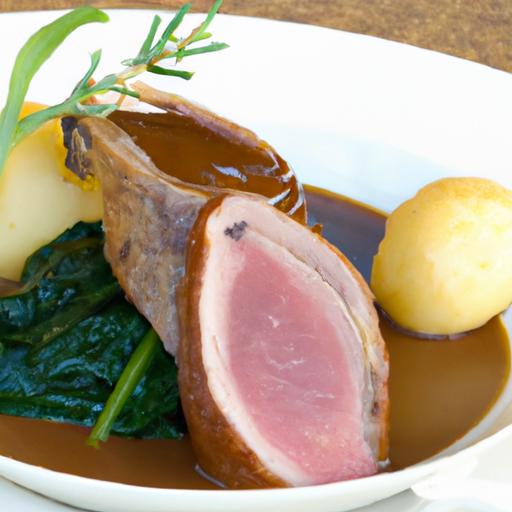
For an unforgettable presentation, slice the cooked duck breast thinly against the grain to reveal a tender, rosy interior framed by crisp skin. Arrange slices fanned out atop a pool of your decadent red wine sauce. Garnish with fresh thyme sprigs and a sprinkle of cracked black pepper for visual appeal and aroma. Serve with a side of vibrant seasonal vegetables or a soft grain like wild rice or farro for earthiness.A final drizzle of the sauce around the plate adds elegance that invites diners to savor each bite.
Ingredients
- 2 duck breasts, skin on (about 6-7 oz each)
- 1 cup dry red wine (Pinot Noir or Merlot recommended)
- 1 small shallot, finely chopped
- 1 garlic clove, minced
- 1/2 cup beef or veal stock
- 1 tsp fresh thyme leaves
- 1 tbsp honey or balsamic vinegar
- 2 tbsp cold unsalted butter, cubed
- Salt and freshly ground black pepper, to taste
- Olive oil (optional, for veggies or plating)
Instructions
- Score the skin of each duck breast in a crisscross pattern without cutting into the meat. This allows the fat to render evenly and creates crisp skin.
generously with salt and pepper. Let rest for 10 minutes at room temperature to enhance seasoning absorption. in a cold, dry skillet. Heat over medium and allow fat to slowly render, crisping the skin for about 8-10 minutes. Do not move the breasts during this time for best crust formation. and cook the flesh side for an additional 4-6 minutes until medium-rare (internal temperature 135°F/57°C). Remove from pan and tent loosely with foil to rest. if more than 2 tablespoons remain; leave about 1 tablespoon in the pan. to the pan. Sauté until fragrant and translucent, about 2 minutes, stirring occasionally. , scraping up any browned bits. Bring to a gentle boil and reduce by half,about 5 minutes. and add thyme and honey or balsamic vinegar. Simmer gently until sauce thickens slightly, around 7-10 minutes. until sauce is glossy and smooth. Season with salt and pepper to taste. and arrange on warmed plates. Spoon the red wine sauce generously over and around the meat. and serve immediately alongside your preferred accompaniments.
Tips for Success
- For crispier skin, always start cooking duck breasts in a cold pan to render fat evenly.
- If the sauce is too tangy, balance flavors with a small pat of butter or a pinch of sugar.
- Make the red wine sauce ahead and gently rewarm before serving-just add a splash of stock or water if it thickens too much.
- Letting the duck rest before slicing locks in juices and ensures succulent bites.
- Use a digital meat thermometer for perfect doneness, avoiding overcooking which dries the meat.
Serving Suggestions
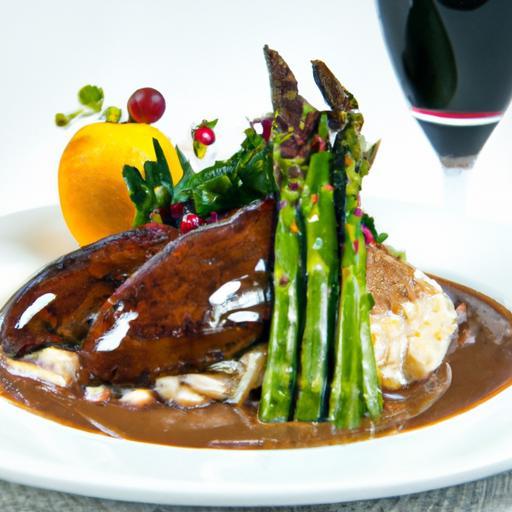
To captivate your guests, serve your savoring duck breast with colorful, seasonal vegetables such as roasted heirloom carrots, sautéed Swiss chard, or tender asparagus. Complement the richness with creamy mashed potatoes infused with roasted garlic or horseradish. A sprinkle of toasted hazelnuts or pomegranate seeds atop the duck adds unexpected texture and vibrant contrast. Offer fresh crusty bread to soak up the decadent red wine sauce, making every bite an indulgent journey.

| Nutrient | Per Serving |
|---|---|
| Calories | 480 kcal |
| Protein | 38 g |
| Carbohydrates | 8 g |
| Fat | 32 g |
For more inspiration on pan-seared proteins and their perfect sauces, explore our classic Pan-Seared Chicken Thigh Recipe. To delve deeper into wine pairing principles, visit Wine Folly’s Guide to Food and Wine pairing.
Q&A
Q&A: Savoring Duck Breast – A Guide to Red Wine Sauce Bliss
Q1: Why is duck breast such a special choice for a luxurious meal?
A1: Duck breast offers a rich, tender flavor that strikes a perfect balance between gamey and succulent. unlike chicken, its deep, juicy meat pairs beautifully with bold, complex sauces-making it a star for dishes that crave a touch of elegance.
Q2: What makes red wine sauce the ideal companion for duck breast?
A2: red wine sauce cuts through the duck’s richness with its acidity and depth, enhancing the meat’s natural flavors without overpowering. The sauce’s aromatic blend of wine, herbs, and frequently enough a hint of sweetness mirrors the duck’s intensity, creating a harmonious, mouthwatering duet.
Q3: What type of red wine works best for making the sauce?
A3: Opt for a dry, full-bodied red like Pinot Noir, Merlot, or Cabernet Sauvignon. These wines offer fruity, earthy notes that deepen as they reduce, delivering a luscious sauce with layers of flavor that embrace the duck breast perfectly.
Q4: How do I achieve the perfect crisp skin on duck breast?
A4: Pat the skin dry and score it gently to render fat evenly. Start cooking skin-side down in a cold pan, allowing the fat to slowly melt and the skin to crisp up golden brown. This approach creates a delightful contrast to the tender meat beneath.
Q5: Can I add any special twists to the classic red wine sauce?
A5: Absolutely! Consider infusing it with star anise or cinnamon for warmth,fresh thyme or rosemary for earthiness,or a splash of balsamic vinegar or honey to balance tang and sweetness. Each tweak tailors the sauce to your palate and adds a signature flair.
Q6: What sides best accompany duck breast with red wine sauce?
A6: Roasted root vegetables,creamy mashed potatoes,or a silky parsnip purée complement the robust flavors.For freshness, a simple arugula salad with a lemon vinaigrette cuts through the richness, making every bite balanced and delightful.
Q7: Is there a secret technique for plating this dish with style?
A7: Slice the duck breast against the grain to showcase its tender interior and arrange it fanned out smoothly on the plate. Spoon the red wine sauce artfully around or over the slices,then garnish with fresh herbs or edible flowers for that haute-cuisine finish.
Q8: How can a home cook confidently master this dish?
A8: Start by sourcing quality duck breast and a good bottle of wine. Follow the steps patiently: crisp the skin slowly, reduce the sauce until silky, and taste as you go. With practice, intuition will guide you to balance flavors and textures-turning your kitchen into a gourmet haven.
Dive into this savory journey, and you’ll discover that duck breast with red wine sauce isn’t just a meal-it’s an experience of bliss that dances on the palate and leaves lasting memories at the table.
To Wrap It Up
As the final notes of your perfectly seared duck breast mingle with the rich, velvety embrace of a thoughtfully crafted red wine sauce, you step into a realm where flavors tell stories and every bite is a celebration. Mastering this pairing isn’t just about cooking-it’s about savoring the art of balance, patience, and boldness. Whether you’re a seasoned chef or an adventurous home cook, let this guide inspire you to transform simple ingredients into a symphony of taste, turning each meal into a memorable experience.So next time you crave a dish that’s both elegant and deeply satisfying, remember: the secret lies not just in the sauce, but in the joy of savoring every moment at the table.