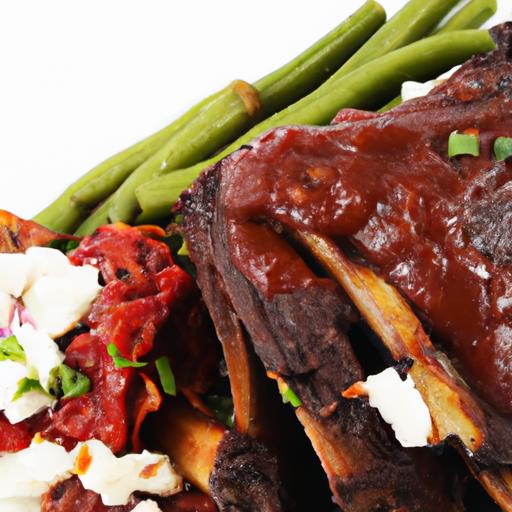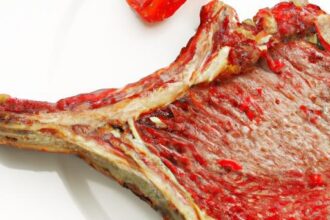

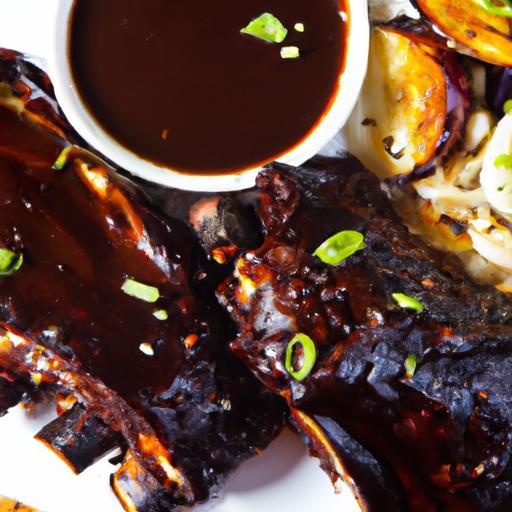
When it comes to barbecue, the rich, smoky allure of slow-cooked ribs often steals the spotlight. But venture beyond the familiar and discover a game-changing delight: bison back ribs. These savory cuts carry a bold, earthy flavor that promises to elevate your outdoor cooking game to sublime heights. In “savory Secrets: Mastering Barbecue Bison Back Ribs Bliss,” we’ll unravel the art and science of transforming these lean, tender ribs into a mouthwatering masterpiece. From choosing the perfect slab to unlocking the ideal seasoning and cooking technique, prepare to embark on a flavorful journey that redefines what ribs can be-bold, juicy, and utterly unforgettable.
Savory Secrets: Mastering Barbecue Bison Back Ribs Bliss
Savory Secrets: Mastering Barbecue Bison Back Ribs Bliss invites you on a culinary journey to transform a prized, yet often underrated, cut of meat into a decadent experience. Bison back ribs offer an incomparable depth of flavor, naturally lean and rich, nurtured from wild-range grazing.Unlocking their true potential begins with selecting the perfect cut,then elevating their earthy character through a thoughtfully crafted marinade and finally embracing the art of low and slow cooking for irresistibly juicy,tender results.
Prep and Cook Time
- Readiness: 20 minutes
- Marinade Rest: 6 hours (preferably overnight)
- Cooking Time: 3 to 4 hours low and slow
- Total Time: Approximately 10 hours (including marinating)
Yield
Serves 4 to 6 hungry barbecue lovers.
Difficulty Level
Medium - ideal for confident home cooks ready to impress.
Ingredients
- 2 racks of bison back ribs (about 3 lbs total),membrane removed
- 1/4 cup apple cider vinegar
- 1/4 cup soy sauce (low sodium preferred)
- 1/4 cup pure maple syrup
- 3 tbsp smoked paprika
- 2 tbsp garlic powder
- 2 tbsp onion powder
- 1 tbsp ground black pepper
- 1 tbsp kosher salt
- 2 tsp cayenne pepper (adjust to taste)
- 1 tsp dry mustard powder
- 1/4 cup olive oil
- 2 tbsp Worcestershire sauce
- Optional: wood chips (hickory or mesquite) for smoking
Instructions
- Prepare the ribs: Begin by removing the thin membrane on the back of the bison ribs for tenderness. use a butter knife to loosen one corner, then grip with a paper towel and gently peel off.
- Make the marinade: In a large bowl, whisk together apple cider vinegar, soy sauce, maple syrup, smoked paprika, garlic powder, onion powder, black pepper, cayenne, dry mustard, olive oil, and worcestershire sauce until fully combined.
- Marinate the ribs: Place ribs in a resealable bag or shallow dish and pour the marinade over, making sure all surfaces are coated. Seal tightly and refrigerate for at least 6 hours, preferably overnight, to infuse deep flavors and tenderize the meat.
- Preheat your smoker or grill: Set your smoker or grill to a steady 225°F (107°C).If using a grill, set it up for indirect cooking and add soaked wood chips for a smoky aroma.
- Slow cook the ribs: Remove ribs from marinade and pat dry with paper towels. Place ribs bone side down on the grill grate away from direct heat. Close the lid and cook low and slow for 3 to 4 hours, maintaining consistent temperature.
- Check doneness: Ribs are done when the meat is tender and slightly pulls back from the bones. for a perfect texture, test by inserting a toothpick between bones-it should slide in with little resistance.
- Optional glaze finishing: During the last 30 minutes, brush ribs with reserved marinade or your favorite BBQ sauce to add glossy, flavorful layers. Close the lid to let glaze set.
- rest before serving: Remove ribs from heat and tent loosely with foil. Let rest for 10-15 minutes to redistribute the juices, ensuring each bite bursts with moisture.
Tips for Success: Chef’s Secrets to Bison Brilliance
- Selecting Ribs: Choose back ribs with good thickness but not excessively fatty-they’re naturally lean, so quality trumps quantity.
- Membrane Removal: Skipping this tough layer can result in chewy ribs; removing it is key for tenderness.
- Marinade Magic: The acidity from vinegar and soy balances richness and helps break down fibers. Overnight soaking maximizes flavor infusion.
- Low and Slow Rules: Resist the temptation to crank heat-it’s the gradual cooking that unlocks that melt-in-your-mouth texture.
- Make-Ahead Power: Marinate the ribs and store them overnight; they also reheat beautifully for next-day enjoyment.
- Glaze Creativity: Personalize your ribs with spicy chili honey,smoky chipotle BBQ,or tangy mustard-based glazes for unique finishes.
Serving Suggestions
Serve your bison back ribs alongside tangy coleslaw, grilled seasonal vegetables, or a hearty baked potato for a classic barbecue feast. Garnish with fresh chopped parsley or cilantro to add luminous,herbal contrast against the smoky richness. Add lemon wedges for an optional zing that cuts through the meat’s richness beautifully.

| Nutrient | Per Serving (approx.) |
|---|---|
| Calories | 320 kcal |
| Protein | 45 g |
| carbohydrates | 8 g |
| Fat | 10 g |
For further inspiration on barbecue techniques, explore our Ultimate Guide to Smoked Meats or visit USDA Food Safety on Meat Handling for trusted safety tips.
Q&A
Q&A: Savory Secrets – Mastering Barbecue Bison Back Ribs Bliss
Q1: Why choose bison back ribs over traditional pork or beef ribs?
A1: Bison back ribs offer a unique flavor profile-rich, slightly sweet, and subtly gamey-that sets them apart from the usual pork or beef options. They are leaner, healthier, and deliver a tender, melt-in-your-mouth texture when cooked properly, making them a luxurious twist for barbecue aficionados seeking bold new tastes.
Q2: What is the key to tenderizing bison back ribs?
A2: Patience and low-and-slow cooking are your best friends. Because bison is leaner, it can dry out quickly if overcooked. Marinating the ribs overnight in a mixture of acidic and flavorful ingredients-like apple cider vinegar, garlic, and smoked paprika-helps break down the muscle fibers. Then, slow smoking or oven-baking at a low temperature ensures that the ribs become luscious and tender without losing their natural juiciness.Q3: How should I season my bison back ribs for that perfect savory kick?
A3: Embrace bold, smoky spices that complement but don’t overpower the meat. A classic rub might include brown sugar (to balance the leanness), smoked paprika, garlic powder, onion powder, black pepper, and a pinch of cayenne for warmth. The goal is to create a crust-known as the “bark”-that seals the flavors inside while imparting a delicious, caramelized finish.
Q4: What barbecue methods work best for bison back ribs?
A4: Smoking reigns supreme, imbuing the meat with complex layers of flavor. Use hardwoods like hickory, oak, or fruit woods such as apple or cherry to subtly enhance the ribs’ natural taste. If smoking isn’t an option, slow roasting in a foil tent with a touch of broth or a mop sauce will keep the ribs moist and tender.Finishing on a hot grill for a few minutes adds that irresistible char and texture.
Q5: Can I glaze bison back ribs with barbecue sauce, or will it overpower the flavor?
A5: Absolutely-just be strategic! Apply a tangy, slightly sweet barbecue sauce during the last 15-20 minutes of cooking. Because bison has a more delicate flavor than beef, go for lighter, fruit-forward sauces (think cherry, apricot, or apple) or vinegar-based ones rather than heavy, sugary glazes. This layering ensures the sauce complements rather than masks the meat’s natural depth.
Q6: Any tips for serving and pairing these regal ribs?
A6: Presentation is part of the bliss! Serve your bison back ribs alongside smoky grilled vegetables, creamy coleslaw, or a vibrant corn salad to balance richness with freshness. For beverages, consider bold red wines like Zinfandel or Malbec, or craft beers with malty undertones to echo the ribs’ smoky, savory character. And don’t forget extra napkins-these ribs are finger-licking good!
Q7: How can I troubleshoot common bison rib pitfalls?
A7: If your ribs turn out dry, it’s usually a sign of overcooking or insufficient marinating. Remedy this by wrapping ribs in foil midway to lock moisture (the “Texas crutch”), or lowering cooking temperature. If they’re tough, they might need more time; don’t rush the slow-cook process. Lastly,watch your smoky wood carefully-too much smoke can overwhelm the subtle bison flavor.
Unlock the savory secrets of the wild west with bison back ribs and transform your barbecue into a blissful celebration of hearty flavor and refined technique. Happy grilling!
The Way Forward
As the last wisp of smoky aroma fades and the tender, flavorful bites of your barbecue bison back ribs linger on the palate, you’ve unlocked a culinary treasure that marries tradition with wild innovation. Mastering these savory secrets is more than just a cooking feat-it’s an invitation to explore richer, bolder flavors that celebrate the untamed spirit of bison meat.Whether you’re a seasoned pitmaster or an adventurous home cook,embracing the art of barbecue bison back ribs promises a blissful journey where every bite tells a story of patience,passion,and perfected technique. So fire up your grill, gather your favorite rubs and sauces, and let the magic of bison ribs transform your next barbecue into an unforgettable feast.