
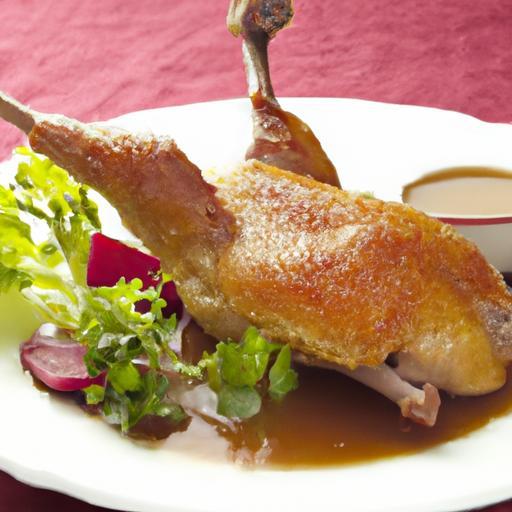
There’s a certain magic to cooking duck legs-the way their rich, savory flavor and tender texture transform a simple meal into an unforgettable feast. Balancing crispy, golden skin with succulent, juicy meat requires more than guesswork; it’s a delicate dance of science and artistry. In this article,we’ll unravel the culinary secrets behind cooking duck legs perfectly,from understanding their unique anatomy and fat content to mastering techniques that elevate every bite. Whether you’re a seasoned chef or an adventurous home cook, prepare to delve into the delicious science and creative craft that turn duck legs into a show-stopping centerpiece.
understanding the Unique Texture and Flavor Profile of Duck Legs
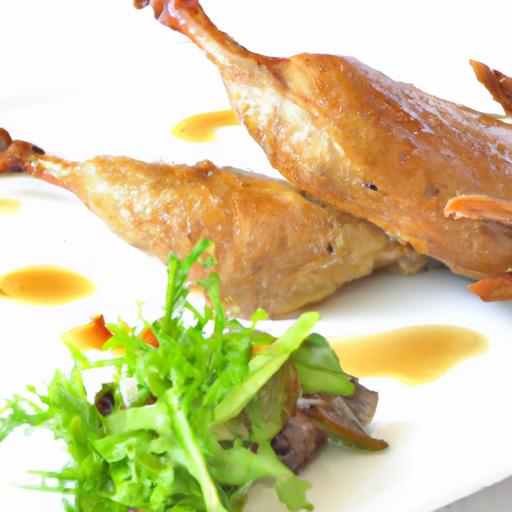
The delicious science and art of cooking duck legs perfectly begins with appreciating their rich texture and depth of flavor.Unlike chicken or other poultry, duck legs boast a more substantial, slightly gamey flavor that is both earthy and luxurious.Their dark meat is succulent, offering a creamy tenderness that melts on the palate, balanced by the robust fat content that renders beautifully during cooking.
this fat layer beneath the skin-when crisped just right-creates a sensational contrast between crunchy exterior and tender meat inside. Originating often from French culinary traditions, where confit duck legs reign supreme, the magic lies in coaxing out natural flavors while preserving juicy moisture. Mastering this understanding elevates your cooking, allowing you to highlight duck’s knack for pairing with fruity, acidic, or spiced accompaniments.
Mastering the Art of Crisping Duck Skin for Ultimate Satisfaction
Achieving perfectly crisp duck skin is the hallmark of a memorable duck leg dish and an essential step in the delicious science and art of cooking duck legs perfectly. Start with drying your duck legs thoroughly-pat them meticulously with paper towels to remove any moisture. Pricking the skin gently with a fork (avoiding piercing the meat) encourages fat to render out evenly.
Slow and steady is key. Begin cooking skin side down in a cold skillet over medium-low heat without oil; the duck renders its own rich fat, gradually crisping the skin to a golden brown. Resist the urge to move them early-this ensures an even crust forms. After 10-15 minutes, flip and sear the meat side for just a couple minutes, then transfer to the oven to finish gently cooking through.
For the ultimate crispness, finish with a rapid high-heat blast under the broiler or a hot pan sear. This final step gives you that addictive crackle that makes every bite unforgettable.
Choosing the Best Cooking techniques to Enhance Juiciness and Tenderness
The secrets of the delicious science and art of cooking duck legs perfectly revolve around balancing fat rendering while preserving the luscious meat within. One of the most celebrated methods is the confit technique, where duck legs slowly cook submerged in their own fat at low temperatures for hours. This process break downs connective tissues, producing impeccably tender flesh that falls off the bone.
If you prefer a quicker approach, pan-searing followed by oven roasting yields excellent results-with a beautifully crisp skin exterior and moist, juicy center.Another method is braising the legs in flavorful liquids like red wine, stock, or aromatic herbs, which infuse moisture and impart a subtle complexity.
Whichever method you choose, allow the legs to rest post-cooking for 10 minutes. This step lets juices redistribute evenly, ensuring every forkful bursts with flavor and tenderness.
Prep and Cook Time
- Readiness: 15 minutes
- Cooking: 1 hour 30 minutes (varies by method)
- Total time: Approximately 1 hour 45 minutes
yield
Serves 4 comfortably,perfect for an elegant dinner or special occasion.
Difficulty Level
Medium – requires attention to detail but accessible for home chefs ready to experiment.
Ingredients
- 4 duck legs, skin-on, trimmed
- 1 teaspoon kosher salt
- 1/2 teaspoon freshly ground black pepper
- 4 garlic cloves, smashed
- 2 sprigs fresh thyme
- 1 bay leaf
- 1 cup duck fat (or rendered from the legs themselves)
- 1 tablespoon olive oil (optional, for searing)
Instructions
- Prepare the duck legs: pat the duck legs dry with paper towels. Season both sides evenly with kosher salt and black pepper. Prick the skin gently with a fork to allow fat to render efficiently.
- Render the fat and crisp the skin: Place a cold skillet over medium-low heat and set the legs skin-side down. Cook slowly for 12-15 minutes without moving, until the skin is deeply golden and crisp. Carefully flip and sear the meat side for 2-3 minutes.
- Finish cooking: Transfer the skillet to a preheated oven at 300°F (150°C). Add garlic, thyme, and bay leaf around the legs. Roast for 45-60 minutes until the meat is tender and easily pierced with a fork.
- Rest: Remove duck legs from the oven and tent loosely with foil. Let rest for 10 minutes; this helps the juices redistribute fully.
- Optional confit method: Submerge seasoned duck legs in melted duck fat in a heavy ovenproof dish. Slow cook in a 225°F (110°C) oven for 2-3 hours until ultra-tender.
- Serve: Re-crisp skin in a hot skillet for 1-2 minutes before plating to refresh that irresistible crunch.
Chef’s Tips for Success
- Dry skin is your friend: The crispier the skin, the better; always ensure legs are patted dry before cooking.
- Save the duck fat: Strain and store rendered fat for future use-it’s perfect for roasting potatoes or frying eggs!
- Don’t crowd the pan: Cook legs in batches if necessary to maintain heat and even crisping.
- Use a thermometer: Duck legs reach optimal tenderness around 170°F (77°C) internal temperature.
- Make-ahead: Cook confit duck legs in advance; reheat gently in a skillet when ready to serve.
Serving suggestions
Present your perfectly cooked duck legs atop a bed of creamy parsnip purée or alongside roasted root vegetables glazed with honey and thyme. A sharp, fruity sauce-like cherry or blackberry reduction-adds bright contrast to the rich meat. Garnish with fresh herbs such as rosemary or microgreens for an elegant finishing touch.
Don’t forget crispy roasted potatoes to soak up the luscious duck fat. A glass of full-bodied red wine or a smoky aged whiskey pairs beautifully, rounding out a refined dining experience.
| Nutrient | Amount per Serving |
|---|---|
| Calories | 420 kcal |
| protein | 32 g |
| Carbohydrates | 1 g |
| Fat | 32 g |
Explore more duck recipes to complement your cooking skills.
Discover the history and science of duck meat cooking at Serious Eats.

Q&A
Q&A: The Delicious Science and Art of Cooking Duck Legs Perfectly
Q1: Why are duck legs such a beloved ingredient in culinary traditions around the world?
A: Duck legs boast a rich, succulent flavor that stands up beautifully to bold seasonings and slow cooking. Their tender meat, coupled with crispy skin, offers a luxurious palette that balances fat and savoriness. Culturally, duck legs appear in countless iconic dishes-from French confit to Chinese braises-celebrated for their versatility and depth.
Q2: What makes cooking duck legs different from cooking chicken legs?
A: Duck legs contain more fat and connective tissue than chicken legs, which means they benefit from longer, slower cooking methods that allow the fat to render and the collagen to break down, resulting in tender, juicy meat. Unlike chicken, duck skin can become incredibly crispy when cooked properly, thanks to its thicker layer of fat beneath.
Q3: What’s the secret behind perfectly crispy duck skin?
A: the secret lies in patience and temperature control. start by gently scoring the skin and salting it to draw out moisture. Cook the legs skin-side down over moderate heat to slowly render the fat-this creates a golden, crackling crust. Avoid rushing or high heat that can burn the skin before the fat has melted away.
Q4: How does the cooking method influence the flavor and texture of duck legs?
A: Each method crafts a unique experience: confit immerses legs slowly cooked in duck fat, ensuring super tender, richly flavored meat; roasting crisps skin while sealing juices; braising in aromatic liquids infuses deep flavors and yields a succulent bite. The science behind these methods revolves around breaking down tough fibers and evenly distributing fat.
Q5: Can you explain the role of fat in cooking duck legs?
A: Fat is both the flavor carrier and moisture guardian in duck leg cooking. As the fat renders during cooking, it bastes the meat, keeping it moist and tender. Additionally, duck fat crisps the skin to perfection. Leveraging this natural ingredient wisely transforms a simple piece of poultry into a mouthwatering masterpiece.
Q6: What are some common mistakes to avoid when cooking duck legs?
A: Avoid high heat at the beginning, which can toughen the meat and burn the skin. Don’t rush the fat-rendering process, and avoid under-seasoning that masks duck’s rich flavors. Also, skipping the resting period after cooking can cause juices to escape, leaving the meat dry.
Q7: How important is seasoning when preparing duck legs?
A: Seasoning is crucial-it enhances the inherent richness without overpowering it. A simple combination of salt, pepper, and maybe fragrant herbs like thyme or star anise can elevate the dish. Duck’s robust profile pairs well with both sweet (orange,honey) and savory (garlic,soy) flavors,giving cooks endless creative freedom.
Q8: Can duck legs be cooked ahead of time without sacrificing quality?
A: Absolutely! Duck confit is a classic make-ahead dish because cooking legs slowly in their fat preserves moisture and flavor. After cooling, they can be refrigerated or frozen, then crisped up in a hot pan before serving-making it a perfect option for remarkable yet manageable meals.
Q9: Is there a way to make duck legs healthier without losing their signature taste?
A: Yes! Removing excess fat after cooking or using rendering techniques to drain the fat can reduce calories. Pairing duck legs with fresh vegetables or acidic sides helps balance richness. Additionally, cooking methods like roasting or braising with minimal added fat maintain flavor with lighter profiles.Q10: What’s the ultimate tip for a home cook striving for duck leg perfection?
A: Patience and attention to detail are your best friends. Respect the fat, honor the slow cook, season thoughtfully, and don’t rush the crisping. When science and art combine-rendering fat until golden, transforming collagen to velvet, seasoning with skill-you unlock the exceptional magic of perfectly cooked duck legs.
Future Outlook
as the rich aroma of perfectly cooked duck legs fills your kitchen, you realize that mastering this delicacy is both a science and an art-a harmony of precise technique and passionate creativity. From understanding the anatomy of this tender cut to balancing its robust flavors with complementary ingredients, each step invites you to explore culinary depths beyond the ordinary. So, whether you sear, confit, or oven-roast, remember that every crisp skin and succulent bite is a testament to your newfound knowledge and artistry. Embrace the journey, and let your next duck leg dish be a delicious masterpiece that delights the senses and honors the timeless craft of cooking.