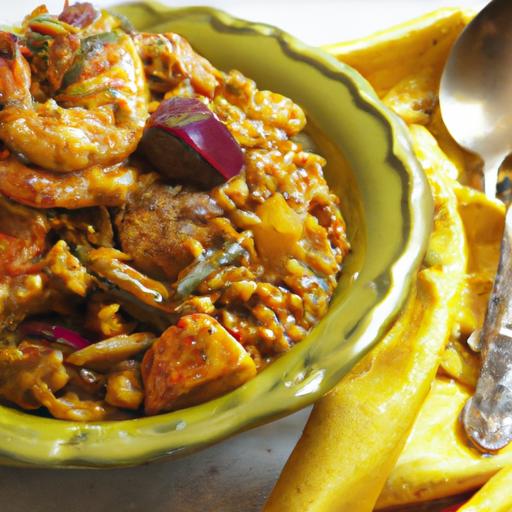

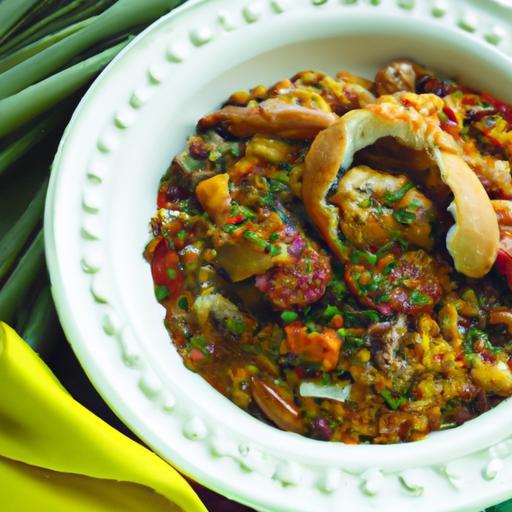
When the vibrant beads fly through the air and the soulful sounds of jazz fill the streets, Mardi Gras isn’t just a celebration-it’s a full sensory feast. At the heart of this lively tradition lies jambalaya, a dish that bursts with bold flavors, rich history, and communal spirit. In “The Ultimate Mardi Gras Jambalaya: A Festive Flavor Guide,” we’ll dive spoon-first into the secrets behind this iconic Louisiana staple. From the perfect blend of spices to the freshest ingredients, get ready to unlock the culinary magic that makes jambalaya the true taste of Mardi Gras. Whether you’re a seasoned chef or a curious foodie, this flavorful journey promises to bring the magic of the Big Easy right to your kitchen table.
The Ultimate Mardi Gras Jambalaya beckons with its soulful blend of Creole spices, tender proteins, and perfectly cooked rice, capturing the heart of New Orleans in every bite. Rooted in a rich culinary tradition, this dish brings together a medley of fresh ingredients and vibrant seasonings that harmonize to create an unforgettable festive experience. Whether you’re celebrating the lively spirit of mardi Gras or simply craving a taste of Southern comfort, mastering this jambalaya recipe will elevate your cooking and delight your senses.
Prep and Cook Time
- Prep Time: 25 minutes
- Cook Time: 1 hour
- Total Time: 1 hour 25 minutes
Yield
Serves 6 generous portions
Difficulty Level
Medium – perfect for home cooks ready to dive into layered flavors without feeling overwhelmed.
Ingredients
- 2 tbsp vegetable oil
- 1 lb Andouille sausage, sliced into 1/4-inch rounds
- 1 lb boneless, skinless chicken thighs, cut into bite-sized pieces
- 1 large yellow onion, finely chopped
- 1 green bell pepper, diced
- 2 celery stalks, diced
- 4 cloves garlic, minced
- 1 cup long-grain white rice
- 1 (14.5 oz) can diced tomatoes, undrained
- 3 cups chicken broth, preferably low sodium
- 2 tsp Creole seasoning
- 1 tsp smoked paprika
- 1/2 tsp dried thyme
- 1/4 tsp cayenne pepper (adjust for heat preference)
- 2 bay leaves
- Salt and freshly ground black pepper, to taste
- 2 tbsp chopped fresh parsley (for garnish)
- 4 green onions, thinly sliced for garnish
instructions
- Heat the vegetable oil in a large heavy-bottomed pot or Dutch oven over medium heat. Add the Andouille sausage slices and sauté until browned and fragrant, about 5 minutes. Remove sausage with a slotted spoon and set aside, keeping the rendered fat in the pot.
- Add chicken pieces to the same pot. Cook until lightly browned on all sides, around 6-7 minutes. Remove and set aside with the sausage.
- Sauté the “holy trinity”: Add the chopped onion, bell pepper, and celery to the pot. Cook over medium heat, stirring occasionally, until softened and translucent – about 8 minutes. Stir in the minced garlic and cook for another minute until aromatic.
- Stir in the rice: add the dry long-grain rice to the pot, stirring constantly for 2 minutes to toast the grains slightly. This step enhances the nutty flavor and prevents mushiness.
- Combine the tomatoes and spices: Mix in the diced tomatoes (with juices), Creole seasoning, smoked paprika, thyme, cayenne pepper, bay leaves, salt, and black pepper. Stir well to coat everything evenly.
- Return the browned meat: Add the sausage and chicken back into the pot. Pour in the chicken broth, gently stirring to combine all ingredients.
- Bring to a simmer: Reduce the heat to low, cover the pot with a tight-fitting lid, and let it cook gently for about 30 minutes, stirring halfway through.Avoid lifting the lid unnecessarily to trap steam and ensure even cooking.
- Check rice texture: After 30 minutes, taste the rice – it should be tender but not mushy. If needed, cook uncovered for an additional 5-10 minutes to evaporate excess liquid, stirring gently.
- Remove bay leaves and adjust seasoning with salt and pepper to your liking.
- Finish with fresh herbs: Sprinkle chopped fresh parsley and sliced green onions just before serving to add brightness and color.
Chef’s Notes
- Protein swaps: Feel free to substitute andouille with smoked kielbasa or chorizo for a smoky twist. Shrimp can be added in the last 5 minutes of cooking for a seafood variation.
- Rice alternatives: While conventional jambalaya uses long-grain white rice, brown rice can be used if cooked separately and stirred in at the end to avoid extended cook time.
- Spice level: Adjust cayenne pepper and Creole seasoning to taste, or add hot sauce tableside for personal customization.
- Make-ahead tip: Jambalaya flavors deepen after resting. Prepare a day ahead, refrigerate, then gently reheat with a splash of broth to loosen the rice.
- Prevent sticking: Use a heavy pot to distribute heat evenly and stir delicately to avoid breaking up the rice grains.
serving Suggestions
Celebrate Mardi Gras with a plate of vibrant jambalaya alongside classic refreshments. Garnish with lemon wedges for a fresh citrus zing. Pair with iced sweet tea,a crisp American lager,or a fruity Hurricane cocktail to evoke true New Orleans spirit. for sides,consider a crunchy green salad dressed with vinaigrette,buttery garlic bread,or roasted okra for texture contrast. Top with chopped scallions or fresh parsley to brighten the dish visually and taste-wise-perfect for festive gatherings or family comfort nights.
| Nutritional Information (per serving) | Amount |
|---|---|
| Calories | 450 kcal |
| Protein | 32 g |
| Carbohydrates | 40 g |
| Fat | 15 g |

For those inspired to explore more Southern classic dishes, check out our Southern Style Gumbo Recipe. To understand more about Creole seasonings used here, visit the Southern Living Creole Seasoning Guide.
Q&A
Q&A: The Ultimate Mardi Gras Jambalaya – A Festive Flavor Guide
Q1: what makes jambalaya the ultimate Mardi Gras dish?
A1: Jambalaya is a vibrant celebration of Louisiana’s rich culinary heritage-just like Mardi Gras itself! This one-pot wonder blends bold spices,smoky sausage,tender meats,and colorful veggies into a hearty,soulful dish that’s as festive and lively as the parade beads flying through the air. It’s comfort food with a party twist, perfect for gathering friends and family around the table during the Mardi Gras season.
Q2: How does jambalaya differ from other Cajun and Creole dishes?
A2: While jambalaya shares the stage with gumbo and étouffée, it stands apart with its rice-based backbone. Unlike gumbo’s thick broth or étouffée’s rich sauce, jambalaya fully cooks the rice right in the pot, soaking up all the deep, smoky, and spicy flavors of sausage, seafood, chicken, and vegetables.It’s a feast of textures and tastes in every bite-unapologetically hearty and satisfying.
Q3: What are the key ingredients to nail an authentic Mardi Gras jambalaya?
A3: The holy trinity of cajun cooking-onion, celery, and bell pepper-is a must. Then, add smoky Andouille sausage, tender chicken thighs, and if you like, shrimp or crawfish for that coastal kick. Long-grain rice soaks in the flavorful broth seasoned with garlic, cayenne, thyme, and bay leaves. Don’t forget a splash of Creole seasoning and a dash of jambalaya magic (that secret touch varies from cook to cook)!
Q4: Can jambalaya be customized for different dietary needs or flavor preferences?
A4: Absolutely! Whether you want to turn down the heat, swap chicken for turkey, or go vegetarian with smoky tempeh and mushrooms, jambalaya welcomes creativity. The key is preserving that balance of savory, spicy, and aromatic flavors. For gluten-free versions, simply ensure your sausage and broth are free of additives. Mardi Gras is all about inclusivity-your jambalaya should be too.
Q5: What’s the best way to serve jambalaya at a Mardi Gras party?
A5: serve jambalaya straight from the pot with plenty of freshly chopped green onions and a squeeze of zesty lemon or hot sauce on the side for an extra kick. Pair it with traditional sides like crispy French bread, a crisp green salad, or even tangy coleslaw to balance the richness. And be sure to have a festive drink ready-perhaps a Hurricane cocktail or sweet iced tea-to keep the celebration going as lively as the streets of New Orleans.
Q6: how can beginners avoid common jambalaya pitfalls?
A6: Patience is key! Don’t rush the browning of your meats or the sautéing of your vegetables-they build the flavor base. Also, resist stirring the rice too much once the liquid is added; jambalaya likes a little crust at the bottom, known lovingly as “the pot.” Lastly, taste and adjust seasoning gradually-Cajun spices pack heat and punch, but the goal is a harmonious festival of flavors, not a fire drill for your mouth.
Q7: What’s the story behind jambalaya’s cultural significance during Mardi Gras?
A7: Jambalaya is more than a meal; it’s a symbol of Louisiana’s melting pot-where French, Spanish, African, and Native American influences simmer harmoniously together. During Mardi Gras, this dish embodies the spirit of celebration, resilience, and community. Each pot of jambalaya tells a story of shared heritage, joyous feasting, and the vibrant soul of New Orleans coming alive one flavorful bite at a time.
Ready to bring the flavors of Mardi Gras to your own kitchen? Grab your apron and let jambalaya led the way to a festive feast full of color, spice, and unforgettable tradition! Laissez les bons temps rouler-let the good times roll!
Final thoughts
As the final spoonful of this ultimate Mardi Gras jambalaya lingers on your palate, you’ve not only tasted a dish but experienced a vibrant tradition bursting with history, culture, and celebration. This flavorful medley embodies the very spirit of mardi Gras-bold, colorful, and delightfully unexpected. Whether you’re cooking for a festive gathering or simply craving a taste of New Orleans magic at home, let this jambalaya guide be your culinary compass. So gather your ingredients, embrace the rhythm of the season, and savor every bite of a dish that’s as rich in story as it is in spice. Laissez les bons temps rouler-and may your Mardi Gras be as lively and unforgettable as the jambalaya you’ve created!