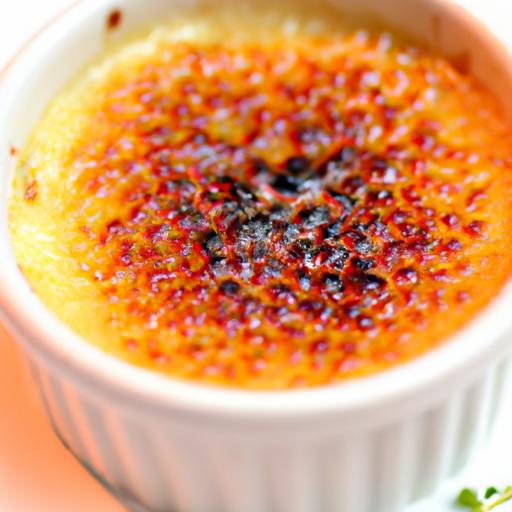

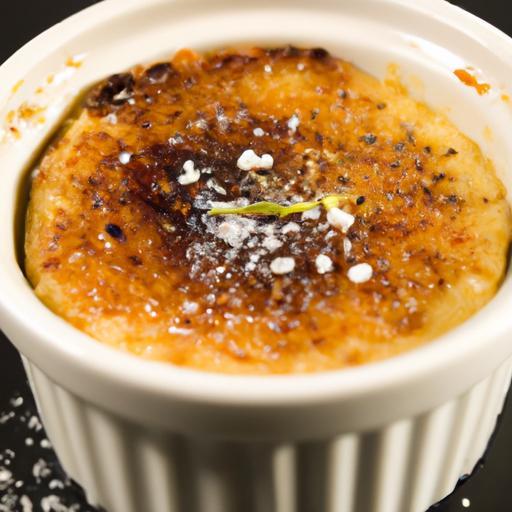
There’s something profoundly magical about the delicate crack of caramelized sugar under a spoon’s gentle tap-a moment that signals the beginning of an indulgent experience. Timeless Classic Crème Brûlée has enchanted dessert lovers for centuries, marrying silky, vanilla-infused custard with a perfectly crisp, golden crust. This luxurious dessert is more than just a sweet treat; it’s a symbol of elegance, tradition, and culinary artistry.In this guide, we’ll explore the origins of crème brûlée, reveal the secrets to achieving its iconic texture, and offer tips to elevate this classic dessert into a show-stopping finale for any meal. prepare to embark on a sumptuous journey into the world of one of the most beloved desserts ever created.
The Art of Perfecting the Silky Smooth Custard
Timeless Classic Crème Brûlée is a dessert that captivates with its delicate contrast between a luscious, velvety custard and a perfectly crisp caramelized topping. Origins trace back to 17th-century France, elevating cream and vanilla into an indulgence that transcends time and trends. Achieving the ideal silky custard requires precision, patience, and a few essential culinary secrets that transform simple ingredients into a luxurious experience.
Begin with high-quality heavy cream gently infused with whole vanilla bean pods or pure vanilla extract for the most aromatic subtlety. The eggs, especially the yolks, provide richness and body, binding the custard to its smooth texture. Mixing the sugar carefully into the eggs before combining with the warm cream ensures even sweetness without graininess.
Cooking the custard in a water bath (bain-marie) at a restrained oven temperature allows gentle, uniform heat to gradually set the custard. Keep an eye out to avoid curdling: the custard should still have a slight jiggle in the center when done. This mastery of heat and timing is fundamental for that iconic silken mouthfeel.
Choosing the Ideal Sugar for a Crispy Caramelized Top
While many sugars will coat the surface, choosing the right one is crucial for achieving that golden, crackling caramel top. traditional granulated white sugar is favored for its clean, sweet flavor and fine grain size, creating a crisp shell on torched or broiled surfaces.
For a subtle variation, cane sugar or superfine caster sugar can speed caramelization due to their fine grain, but beware of burning. Avoid brown sugars or powdered sugars as they can moisten or burn too quickly, diminishing that treasured crunch.
The secret lies in even spreading. use a teaspoon or small sieve to dust an ultra-thin, uniform layer across the custard’s surface before torching. Move your torch flame slowly, keeping it about 2 inches away to evenly melt and brown the sugar without scorching.
Essential Tools and Techniques for Flawless Crème Brûlée
to craft the ultimate Timeless Classic Crème Brûlée, assembling the right tools elevates the journey:
- Ramekins: Opt for shallow, wide ramekins (4 oz to 6 oz) made of ceramic for even heating and classic presentation.
- Baking Dish: A deep roasting pan to hold boiling water for the bain-marie ensures a steady gentle heat bath.
- Kitchen Torch: A butane culinary torch provides the precision to crisp sugar perfectly without overheating the custard.
- Fine Mesh Sieve: Straining the custard mixture before baking removes untoward bits for smooth texture.
Precise temperature control-baking at 300°F (150°C)-and positioning your ramekins so water comes halfway up the sides are critical steps. Resist rushing the water bath’s cool-down period; caramelizing too soon may shatter the custard or create undesired texture.
Pairing crème Brûlée with Wines and complementary Flavors
the decadent richness of this dessert perfectly matches wines that balance sweetness with acidity. Consider a chilled Sauternes or Tokaji,whose honeyed notes echo the vanilla custard while cutting through creaminess. A dry Champagne or sparkling wine provides fresh effervescence and cleansing contrast.
Enhance the eating experience by adding subtle complementary flavors. Fresh berries, a dusting of cinnamon, or a thin slice of orange zest brighten the palate. Nutty accompaniments like toasted almonds or pistachios add texture without overpowering.
Pairing with coffee or lightly spiced teas also offers an elegant conclusion, marrying warmth beneath the cool custard and crisp sugar shell.
Prep and Cook Time
- Readiness: 15 minutes
- Cooking: 40-45 minutes
- Chilling: 2-4 hours (or overnight for best results)
Yield
Serves 6 elegantly portioned servings
Difficulty Level
Medium – requires gentle attention and timing, but accessible for confident home cooks
Ingredients
- 2 cups heavy cream
- 1 vanilla bean, split and scraped (or 1 tbsp pure vanilla extract)
- 5 large egg yolks
- ½ cup granulated white sugar, plus extra for topping
- Pinch of salt
Instructions
- Preheat your oven to 300°F (150°C).Place a large roasting pan in the oven to start warming.
- In a saucepan, combine heavy cream and the scraped vanilla bean pod. Heat over medium until simmering, then remove from heat. Let steep 10 minutes for deep flavor infusion. Remove the bean pod (if using extract, add it after mixing with eggs).
- While the cream steeps, whisk egg yolks, ½ cup sugar, and a pinch of salt in a bowl until pale and smooth.
- Slowly pour the warm cream in a thin stream into the egg mixture, whisking continually to temper the eggs and prevent scrambling.
- Strain the custard mixture through a fine mesh sieve into a clean bowl to ensure smoothness.
- Carefully pour custard into six 4-6 oz ramekins, filling them nearly to the brim.
- Remove the hot roasting pan from the oven and arrange ramekins inside. Pour boiling water into the pan until it reaches halfway up the sides of the ramekins.
- Bake 40-45 minutes or until custards are set around edges but slightly wobbly in the center.
- Remove ramekins from water bath carefully and cool to room temperature.Refrigerate for at least 2 hours or overnight for best texture.
- Before serving, evenly sprinkle a thin layer of granulated sugar on top of each custard. Using a kitchen torch, caramelize the sugar by moving the flame in small circles until glossy and golden.
- Let the sugar harden for 1-2 minutes before serving to enjoy the signature crack under your spoon.
Tips for Success
- Use fresh egg yolks: fresher yolks yield a richer taste and better consistency.
- Don’t skip the water bath: it regulates heat and prevents overcooking, keeping the custard luscious.
- For vanilla flavor: using a whole bean considerably enhances aroma over vanilla extract.
- strain the custard: this removes bits of cooked egg for a perfectly smooth texture.
- Make ahead: custards can be refrigerated covered for up to three days without losing texture.
- If caramelizing without a torch: place ramekins under the broiler for 2 minutes, watching closely.
Serving Suggestions
Serve these warm custards chilled with the caramel shell just torched, presented on small plates. Garnish with a few fresh raspberries or a sprig of mint for a pop of color and freshness. A light dusting of powdered sugar or a thin orange twist adds sophistication. Pair with a small glass of chilled sauternes or sparkling wine for an elevated tasting moment.

| Nutrient | Amount per Serving |
|---|---|
| Calories | 310 kcal |
| Protein | 6 g |
| Carbohydrates | 30 g |
| Fat | 20 g |
Explore more French classics like our Classic French Tarte Tatin for a full repertoire of indulgent desserts.
For deeper insight into the chemistry of custards, visit Serious Eats’ custard guide.
Q&A
Q&A: Timeless Classic Crème Brûlée – A Luxurious Dessert Guide
Q1: What exactly is crème brûlée?
A1: crème brûlée,literally meaning ”burnt cream” in French,is a velvety custard dessert topped with a thin,caramelized sugar crust.This exquisite contrast between the smooth, creamy base and the crisp, crackling topping creates a truly indulgent experience-one bite transports you to the heart of French patisserie tradition.
Q2: What makes crème brûlée a timeless classic?
A2: Its elegant simplicity embodies a culinary poetry that transcends time.With just a handful of humble ingredients-rich cream, egg yolks, sugar, and vanilla-crème brûlée manages to be both comforting and complex. The ritual of cracking through the caramelized sugar shell adds an element of interactive luxury that keeps dessert lovers enchanted generation after generation.
Q3: How is the perfect crème brûlée texture achieved?
A3: The secret lies in low-and-slow baking, usually in a water bath (bain-marie), which gently cooks the custard to a smooth, silky consistency. Overbaking leads to curdling; underbaking leaves it too loose. Achieving that perfect balance ensures a custard that’s rich, creamy, and melts on the tongue beneath its iconic brittle sugar topping.
Q4: What role does vanilla play in crème brûlée?
A4: Vanilla is the soul of crème brûlée, lending it that warm, floral aroma and luscious sweetness. Traditionally, recipes call for whole vanilla beans to infuse the custard with their delicate flavors and those tiny, treasured black specks. High-quality vanilla transforms the dessert from ordinary to sublime.
Q5: Can crème brûlée be customized without losing its classic charm?
A5: Absolutely! While the traditional recipe is beloved, chefs often experiment by adding hints of citrus zest, espresso, lavender, or even exotic spices like cardamom. However, the hallmark remains the creamy custard and hard caramel shell-anything else adds flair but should never overshadow the classic essence.
Q6: what’s the best way to caramelize the sugar topping?
A6: For the iconic crispy crust, a handheld culinary torch is the gold standard. It melts and browns the sugar evenly,allowing you to control the intensity and thickness of the caramelized layer. Alternatively, broiling in an oven works but requires careful attention to prevent burning.
Q7: How should crème brûlée be served and enjoyed?
A7: Serve chilled, straight from the refrigerator, to maintain the creamy custard’s coolness. Just before serving, torch the sugar topping to create that signature sizzle and crunch. Use a small spoon to gently tap through the caramelized shell, revealing the luscious custard beneath. Pair with fresh berries or a light dessert wine to elevate the experience.
Q8: What common mistakes should be avoided when making crème brûlée at home?
A8: Overcooking is a frequent pitfall, which results in a grainy texture. Another is adding too much sugar to the custard, making it overly sweet and masking the vanilla’s subtlety. Skipping the water bath can cause uneven cooking and cracking. Lastly, caramelizing the sugar too early makes the crust soggy-always torch just before serving.
Q9: Why does crème brûlée continue to captivate dessert enthusiasts worldwide?
A9: Because it beautifully balances art and science, tradition and innovation, texture and flavor. It’s a dessert that invites mindfulness-waiting for the crust to crack, savoring the creaminess, and appreciating the craftsmanship behind every spoonful. In a fast-paced world, crème brûlée offers a moment of timeless luxury and pure sensory pleasure.
Unlock the secrets behind this luxurious French treasure and indulge in a dessert that has truly earned its place as a timeless classic.
In Retrospect
Whether savored in a cozy Parisian café or crafted lovingly in your own kitchen, crème brûlée remains a shining emblem of culinary elegance. Its velvety custard beneath a caramelized crown invites us to pause, indulge, and appreciate the art of dessert-making at its finest. As you experiment with flavors,techniques,and presentations,remember that this timeless classic is more than just a sweet treat-it’s a celebration of tradition,texture,and taste.So go ahead, ignite that sugar crust, crack through that golden shell, and let each spoonful transport you to a world where luxury is simply a bite away.