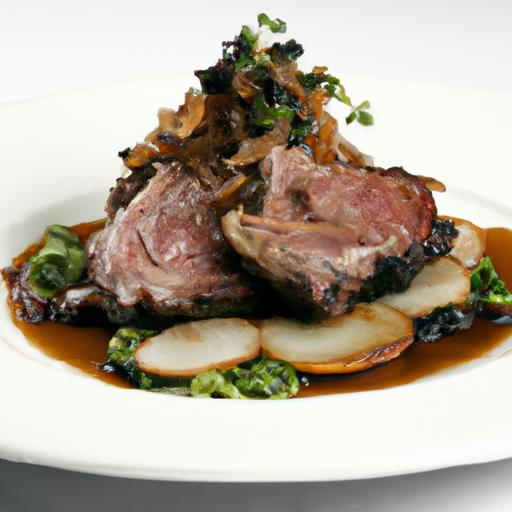

There’s a unique magic in the slow, purposeful change of tough cuts into tender, flavor-packed dishes – adn few exemplify this alchemy quite like braised lamb shoulder. Often overlooked in favor of more delicate cuts, the lamb shoulder holds a treasure trove of rich, deep flavors waiting to be unlocked through the gentle embrace of slow cooking. In this exploration, we delve into the art and science of braising lamb shoulder, revealing techniques and secrets that elevate this humble cut into a centerpiece worthy of party. Whether you’re a seasoned cook or an adventurous foodie, mastering the braised lamb shoulder opens a doorway to a culinary experience where patience, technique, and passion intertwine to create unforgettable taste.
Unlocking flavor through the artful preparation of lamb shoulder begins with selecting a cut that promises both tenderness and rich depth. The lamb shoulder, with its generous marbling and connective tissue, transforms spectacularly when braised low and slow, revealing the ultimate melt-in-your-mouth texture that makes every bite unforgettable.
Prep and Cook Time
- Preparation: 20 minutes
- Marinating: 4 hours (preferably overnight)
- cooking: 3 hours 30 minutes
- Total Time: Approximately 7 hours
Yield
Serves 6 generously
Difficulty Level
medium – perfect for home cooks looking to elevate their skills.
Ingredients
- 2.5 lbs boneless lamb shoulder, trimmed and tied
- 2 tbsp olive oil, extra virgin
- 1 large onion, finely chopped
- 4 garlic cloves, minced
- 1 cup dry red wine (such as Cabernet Sauvignon)
- 2 cups beef or lamb stock, preferably homemade
- 2 sprigs fresh rosemary
- 4 sprigs fresh thyme
- 1 tbsp smoked paprika
- 1 tsp ground cumin
- 1 tsp ground coriander
- 1 tsp sea salt
- ½ tsp freshly ground black pepper
- 1 tbsp honey (to balance spices)
- Juice of 1 lemon
- Zest of 1 lemon
- 2 bay leaves
Instructions
- Select the perfect cut: Look for lamb shoulder with even marbling and a fine grain. This enhances tenderness during braising.
- Prepare the marinade: In a bowl, combine olive oil, minced garlic, smoked paprika, cumin, coriander, lemon zest, lemon juice, salt, and pepper. Massage this blend thoroughly into the lamb shoulder, cover with cling film, and refrigerate for at least 4 hours or overnight.
- Sear the lamb: Preheat a heavy-bottomed braising pot over medium-high heat. Add 2 tbsp olive oil and sear the lamb on all sides until deeply golden brown, approximately 4 minutes per side. This caramelization layer locks in flavor.
- Sauté aromatics: Remove lamb and set aside.In the same pot, reduce heat to medium and add chopped onion. Sauté gently until soft and translucent, about 7 minutes, stirring occasionally.
- Deglaze with wine: pour in red wine, scraping the brown bits from the bottom for an intense base.Let the wine reduce by half, about 8 minutes.
- Add stock and herbs: Return the lamb to the pot. Add beef or lamb stock, rosemary, thyme, and bay leaves. Drizzle honey atop the lamb. Bring to a gentle simmer.
- slow braise: Cover the pot with a tight-fitting lid and transfer to a preheated 300°F (150°C) oven. Cook for 3 to 3.5 hours until the lamb is fork-tender and falling apart.
- Rest and reduce: Remove lamb and keep warm. Strain the braising liquid into a saucepan and simmer until reduced by half to create a luscious sauce.
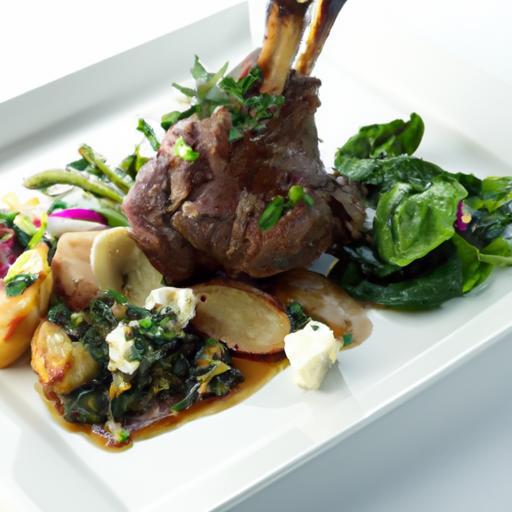
- Serve with flair: Slice or shred the lamb and drizzle with the reduced sauce. Garnish with fresh thyme leaves and a sprinkle of lemon zest to awaken the flavors.
Tips for success
- Marinate the lamb shoulder overnight to maximize flavor infusion and tenderness.
- Use a heavy cast-iron Dutch oven for even heat distribution during braising.
- Adjust spices like smoked paprika and cumin to suit your palate; thay add a smoky warmth essential for depth.
- Make ahead: The braised lamb improves in flavor when made a day ahead,as the spices and juices meld beautifully.
- If you prefer an even silkier texture, shred the lamb gently with forks before serving.
Serving Suggestions to Impress Every Palate
Pair your braised lamb shoulder with creamy mashed potatoes or buttery polenta to soak up every drop of the savory sauce.For freshness, serve alongside roasted root vegetables or a vibrant arugula salad dressed with lemon vinaigrette. Garnish generously with rosemary sprigs and a scattering of pomegranate seeds for an unexpected burst of color and acidity that elevates this comfort classic.

| Nutrition | Per Serving |
|---|---|
| Calories | 520 kcal |
| protein | 45 g |
| Carbohydrates | 8 g |
| Fat | 32 g |
For more warming recipes that embrace slow cooking, explore our slow Cooker Recipes guide. To understand more about the science behind meat tenderness, the USDA’s official guide on meat tenderness is a great resource.
Q&A
Q&A: Unlocking Flavor – The Art of Braised Lamb Shoulder Mastery
Q1: why is lamb shoulder considered ideal for braising?
A1: Lamb shoulder is a treasure trove of flavor and texture waiting to be unlocked. It’s a well-exercised cut, meaning it’s rich in connective tissue and marbled with fat. When braised slowly, this collagen melts into luscious gelatin, transforming the meat into tender, juicy perfection that literally falls off the bone. It’s a cut that rewards patience and low, slow cooking with deep, complex flavors.
Q2: What’s the secret to developing rich, layered flavors in braised lamb shoulder?
A2: The art lies in building flavor in stages. Start by searing the lamb shoulder to achieve a caramelized crust that locks in juices and adds savory depth. Next, craft a flavor-packed braising liquid using aromatic vegetables, herbs (like rosemary, thyme, and bay leaves), garlic, and acids such as wine or vinegar – these acid elements help tenderize the meat while layering nuanced brightness. Slow simmering allows all these components to meld and concentrate, creating that unforgettable stew-like richness.
Q3: How long should lamb shoulder be braised for the perfect texture?
A3: Patience is key. Depending on the size of the shoulder, braising usually takes between 2.5 to 4 hours at a low temperature (around 300°F/150°C). The goal is to reach the “fork-tender” stage where the meat easily pulls apart. Under cooking leaves it tough; overcooking can dry it out, so keep a gentle eye on the texture as it cooks.
Q4: Can I experiment with different flavor profiles in my braised lamb shoulder?
A4: Absolutely! Braising lamb shoulder is like a canvas for global flavors. Customary Mediterranean recipes use olives, tomatoes, and herbs, while Middle Eastern styles incorporate spices like cumin, coriander, and cinnamon. East Asian twists might add soy,star anise,and ginger. The key is balancing the boldness of your spices and liquids to complement lamb’s rich, gamey taste without overpowering it.
Q5: What sides pair best with braised lamb shoulder?
A5: Braised lamb shoulder is hearty and bold, so it loves sides that can soak up its juices. Creamy mashed potatoes, buttery polenta, or fluffy couscous offer a cozy, soft contrast. Roasted root vegetables or sautéed greens add earthiness and brightness. Don’t forget crusty bread-it’s perfect for mopping up every last drop of that luscious sauce.
Q6: Any tips for making the braising process easier for home cooks?
A6: Yes! Use a heavy pot with a tight-fitting lid,like a Dutch oven,to maintain steady heat and moisture. Brown the meat in batches to avoid overcrowding, ensuring a rich fond (the browned bits) that deepens the sauce. Prepare your aromatics and braising liquid ahead of time so everything is ready to go. And remember: let the dish rest for 10-15 minutes after cooking; this helps the flavors settle and makes the meat even more tender.Q7: How can leftovers of braised lamb shoulder be transformed?
A7: Leftovers are a gift! Shred the tender lamb and toss it into tacos, sandwiches, or shepherd’s pie for a quick flavor boost. It also makes a sensational filling for savory pies or hand pies. The rich meat can even be folded into pasta sauces or grain bowls, turning yesterday’s braise into today’s culinary delight.
Q8: What’s the biggest mistake people make when braising lamb shoulder?
A8: The most common misstep is rushing the process or cooking at too high a temperature. Braising demands gentle heat and time-anything else compromises tenderness and flavor.resist the temptation to increase heat to speed things up; slow and steady yields that melt-in-your-mouth magic that lamb shoulder is famous for.
Unlocking the deep, soulful flavor of braised lamb shoulder is an art that combines technique, time, and a bit of culinary love. Master these essentials, and you’ll consistently create dishes that are the very definition of comfort and indulgence.
Key Takeaways
as the tender strands of braised lamb shoulder melt effortlessly on your palate, you realize that mastering this dish is more than a culinary achievement-it’s a journey into the heart of flavor itself. Unlocking the secrets of slow cooking, the careful balance of herbs and spices, and the patient embrace of time transforms humble ingredients into a symphony of taste. Whether you’re a seasoned chef or an eager home cook, the art of braised lamb shoulder invites you to slow down, savor deeply, and celebrate the rich, soulful experience of truly mastered flavor.So, gather your ingredients, ignite your passion, and let each braise tell a story worth sharing.