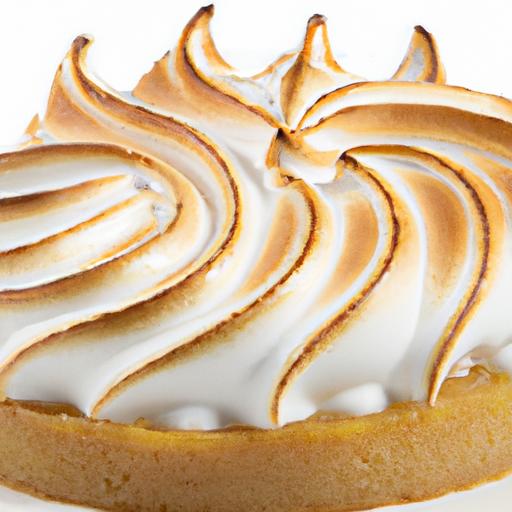

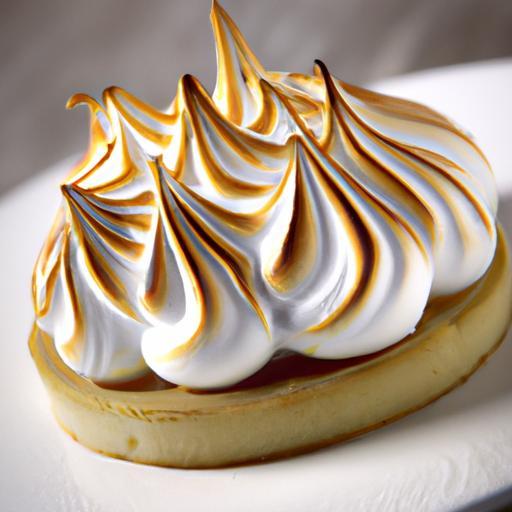
In the realm of desserts, few creations capture the harmonious balance of tang and sweetness quite like the lemon meringue tart. This timeless classic, with its crisp buttery crust, vibrant citrus curd, and billowy cloud of toasted meringue, is more than just a treat-it’s a festivity of flavor and technique.”zesty Delight: The Art and Science of Lemon Meringue Tart” invites you to explore the intricate dance between chemistry and craftsmanship that brings this iconic dessert to life. From selecting the perfect lemons to mastering the delicate meringue peaks, we’ll unravel the secrets that transform simple ingredients into a culinary masterpiece, proving that behind every slice lies both passion and precision.
Zesty Delight begins with the perfect melding of tangy lemon custard and ethereal, cloud-like meringue atop a buttery, crisp tart shell. This classic dessert traces its roots back to 19th century England, evolving through countless kitchens into the vibrant, colorful treat enjoyed worldwide today. The harmony of tart citrus and sweet meringue creates an unforgettable sensory dance, each bite bursting with brightness and contrast.
Prep and Cook Time
- Preparation Time: 30 minutes
- Cooking Time: 25 minutes
- Cooling time: 1 hour
Yield
Makes one 9-inch lemon meringue tart, serving 8 portions.
Difficulty Level
Medium: Requires attention to detail but rewarding for any confident home baker.
Ingredients
- for the tart crust:
- 1 ½ cups all-purpose flour, sifted
- ½ cup unsalted butter, cold and cubed
- ⅓ cup granulated sugar
- ¼ tsp salt
- 1 egg yolk
- 2-3 tbsp ice water
- For the lemon custard filling:
- 1 cup fresh lemon juice (about 5-6 lemons)
- 1 tbsp lemon zest (finely grated)
- 1 ½ cups granulated sugar
- 4 large eggs
- ⅓ cup cornstarch
- 1 ¼ cups water
- 2 tbsp unsalted butter, cubed
- For the meringue topping:
- 4 large egg whites, at room temperature
- ½ tsp cream of tartar
- ½ cup granulated sugar
- 1 tsp vanilla extract
Instructions
- Prepare the tart crust: In a food processor, pulse flour, sugar, and salt to combine. Add cold cubed butter and pulse untill mixture resembles coarse crumbs. Add egg yolk and 2 tablespoons of ice water, pulsing until dough starts to come together. Add more water if needed, 1 tsp at a time.
- Turn dough onto a floured surface and form into a disc.Wrap in plastic and refrigerate for at least 30 minutes.
- Preheat oven to 350°F (175°C). Roll out chilled dough to fit a 9-inch tart pan with removable bottom. Gently press dough into pan and trim excess. Chill for 10 minutes.
- Line tart shell with parchment and fill with pie weights or dried beans. Bake blind for 15 minutes. Remove weights and parchment; bake an additional 10 minutes until golden. Let cool.
- Make the lemon custard: In a medium saucepan, whisk together lemon juice, lemon zest, sugar, eggs, cornstarch, and water until smooth.
- Place over medium heat, whisking constantly until mixture thickens and starts to bubble-about 8 minutes. Remove from heat and stir in butter until melted and smooth. Pour custard into cooled tart shell and smooth top. Chill while preparing meringue.
- Prepare the meringue: Using a stand mixer, beat egg whites and cream of tartar on medium speed until soft peaks form.
- Gradually add sugar, 1 tablespoon at a time, increasing to high speed until stiff, glossy peaks form. Beat in vanilla extract.
- Spread meringue over chilled lemon filling, ensuring it touches the edges of the crust to seal.
- Bake at 350°F (175°C) for 10-12 minutes or until meringue is golden brown.
- Cool to room temperature, then refrigerate for at least 1 hour before serving to allow flavors to meld.
tips for Success
- Use fresh lemons for vibrant flavor; bottled lemon juice lacks the same brightness.
- Ensure the tart dough is cold to prevent shrinking during baking.
- Whisk the custard constantly when cooking to avoid lumps and prevent scorching.
- When making meringue, room-temperature egg whites whip better and achieve more volume.
- To avoid weeping meringue, make sure the lemon custard is fully cooled before topping.
- The meringue should be spread carefully so it seals the edges, preventing shrinkage and moisture loss.
- Make the tart a day ahead to allow custard to set perfectly and meringue flavors to meld.
Serving Suggestions
Present your masterpiece on a delicate dessert plate, garnished with thin lemon slices or twists to echo the tart’s zesty notes. A sprinkle of finely chopped fresh mint or edible flowers adds a pop of color and freshness.Serve alongside a cup of light green tea or chilled sparkling wine for a refined pairing. for an indulgent finish, a small dollop of whipped cream complements the vibrant citrus beautifully.
| Nutrient | Per Serving |
|---|---|
| Calories | 320 kcal |
| Protein | 5 g |
| Carbohydrates | 47 g |
| Fat | 11 g |

The Science Behind Balancing Flavors and textures
The allure of lemon meringue tart lies in its balance of tart and sweet, crisp and fluffy. The buttery crust provides a sturdy yet tender foundation, countering the custard’s vibrant acidity without overwhelming it. Simultaneously occurring, the meringue offers a contrasting texture-light, airy, and creamy-providing sweetness without cloying richness. Achieving this harmony demands respecting the science of ingredient interactions: the custard’s gel-forming cornstarch, the meringue’s egg white structure stabilized with cream of tartar, and the crust’s gluten network all play critical roles for the ideal bite.
for those seeking to deepen their pastry skills, exploring related techniques such as making lemon curd or perfecting Swiss meringue can provide valuable insight. Learn more in our Ultimate Lemon Curd Guide. Additionally,insightful tips about egg white chemistry are detailed in this Science Made Simple: Egg White Chemistry article by Serious Eats.
Q&A
Q&A: Zesty Delight – The Art and Science of Lemon Meringue Tart
Q1: What makes a lemon meringue tart so irresistibly delightful?
A: It’s the harmonious dance of tangy lemon custard and fluffy,sweet meringue atop a crisp,buttery crust. This trifecta tantalizes your taste buds by combining bright acidity, creamy smoothness, and airy sweetness in every bite.
Q2: How did lemon meringue tart come into existence?
A: The dessert’s roots trace back to 18th-century Europe, where innovative bakers began layering preserved citrus curds with meringue to tame acidity and add sweetness. Over time, the tart evolved into the elegant, perfectly balanced treat we cherish today.
Q3: What is the science behind the perfect lemon curd filling?
A: Lemon curd is an emulsion, relying on the careful coagulation of egg yolks and the balance of acidity from lemon juice. The key is gentle, consistent heat to thicken without scrambling the eggs-creating a glossy, smooth custard bursting with citrus zing.
Q4: Why is the meringue topping so vital, and how do you achieve its iconic texture?
A: Meringue is the crowning glory, providing lightness and sweetness that complement the tartness below. Achieving stiff, glossy peaks requires beating egg whites until they trap air molecules with sugar forming a stable foam. Baking or torching seals the structure and adds that signature golden hue.
Q5: How crucial is the tart shell, and what makes a great crust?
A: The shell is both foundation and frame-its buttery crispness contrasts the softness above. A well-made pâte sucrée or shortcrust pastry,chilled and blind-baked,ensures a sturdy base that won’t sog under the moist filling,maintaining that perfect bite.
Q6: can lemon meringue tart be customized or fused with othre flavors?
A: Absolutely! While classic lemon shines bright, inventive chefs play with lime, blood orange, or even yuzu for unique citrus twists. Meringue can be flavored with vanilla,lavender,or spices,while crusts might incorporate nuts or alternative flours for added complexity.
Q7: What tips can home bakers use to master this dessert?
A: Patience and precision are key: temper eggs slowly in the curd, whip meringue with clean tools, and don’t rush baking times. Use fresh lemons for vibrant flavor and always cool your curd before adding meringue to avoid weeping. With practice, your tart becomes a zesty masterpiece.
Q8: Why does lemon meringue tart continue to captivate dessert lovers worldwide?
A: Its enduring allure lies in balancing bold and delicate-a sensory journey from sharp citrus to pillowy sweetness. This timeless dessert is a testament to culinary artistry and science, offering both comfort and sophistication on a plate.
To Wrap It Up
As the final bite of a lemon meringue tart lingers on the palate, we’re reminded that this zesty delight is more than just a dessert-it’s a harmonious blend of culinary art and precise science.From the bright tang of fresh lemons to the billowy clouds of toasted meringue, every element plays a crucial role in creating a symphony of flavors and textures. Whether you’re a seasoned baker or an adventurous novice, mastering the lemon meringue tart invites you into a world where technique meets creativity, and science transforms simple ingredients into a timeless indulgence. So next time you savor that perfect slice, take a moment to appreciate the delicate dance of chemistry and craft that makes this tart truly unforgettable.